
In the global marketplace, packaging that meets high standards does far more than shield the product; it signals brand value, sways purchase choices, deepens loyalty, and sharpens competitive edge. For merchants running independent cross-border stores, premium packaging distinguished by flawless print quality is especially decisive: it has to survive long-haul transport, appeal to varied cultural tastes, and project professionalism at first glance. Inferior printing or flimsy boxes can erode trust in otherwise excellent goods, triggering poor reviews and vanished sales. This guide consolidates field-tested methods for securing top-tier packaging, covering print fundamentals through cost control, and explains why selecting a capable supplier is a prerequisite for worldwide success.
1.Print Quality Basics
Print quality underpins premium packaging, since it shapes brand perception and legibility at first glance.Excellent print qualitydelivers crisp, uniform images, faithful colour and text clean enough to read on the smallest panel. For export brands there is no room for error: patchy or blurred print signals low standards, a liability in crowded overseas markets.
Key fundamentals for reliable print quality
File preparationSupply logos and text as vector artwork (AI, EPS); unlike raster files (JPG, PNG), vectors stay sharp at any size. Extend the design 3 mm beyond the trim edge so the final cut leaves no unwanted white margin.Colour accuracy
Work in CMYK, the printing colour space, rather than RGB, which is meant for screens. Ask the printer for a signed colour proof so the finished run matches your brand palette.Print resolutionKeep every image at 300 dpi or higher; anything lower produces visible pixels and an unprofessional result.
2. Critical Print Quality Factors
Several factors determine the final print quality of your packaging, and attention to these details ensures consistent, professional results—critical for foreign trade brands maintaining a global brand image.
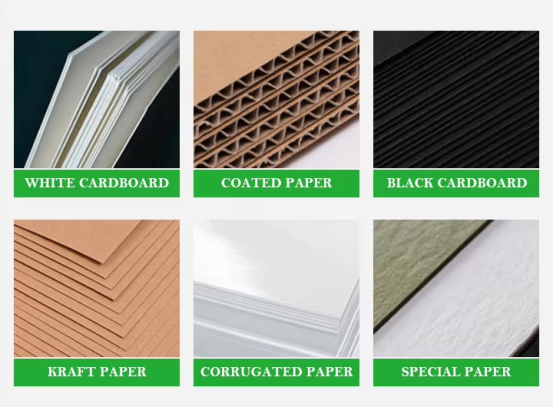
Material Compatibility: Corrugated cardboard, kraft paper, and rigid board each demand a distinct printing approach. A corrugated sheet, with its uneven face, calls for pliable inks that bend without splitting, whereas a smooth rigid board readily accepts high-gloss coatings. We match the process to the substrate so adhesion and finish stay at their best.Printing Technique: Order volume, design detail, and substrate decide the press. Digital suits short runs—50 to 500 pieces—with fine gradients and a quick ship date, letting export brands test new markets fast. Offset takes over beyond 500 copies, holding color steady and driving the unit price down.
Ink Quality: Top-grade inks shrug off fading, smudging, and humidity—vital when boxes spend weeks in sea containers or air holds. Our soy-based formulations pass EU REACH and FDA rules and keep their color even after rough transit.Press Calibration: A press kept in tune delivers uniform color and crisp detail from the first carton to the last. Our plant checks register and density in real time, erasing batch-to-batch drift.
3. Printing Defects & Fixes
Even with careful planning, printing defects can occur—but understanding common issues and their fixes helps you avoid costly reprints and delays, especially critical for foreign trade timelines.
Common Defects & Solutions:
-Blurry Text or Images
: Low-resolution artwork or press misalignment softens detail. Supply vector files at 300 dpi or higher and ask for a pre-run calibration check.-
Colour Inconsistency: RGB files or uneven ink mixing shift hues. Convert everything to CMYK and inspect signed-off colour proofs.
-Ink Smudging: Slow-drying ink or overly porous stock leaves unwanted marks. Switch to quick-set inks or add a protective laminate.
-White Borders or Misalignment: Missing bleed or plate drift trims content off-centre. Build in 3 mm bleed on all sides and run a test sheet before full production.Early-stage inspections keep our defect rate under 0.5 %, confirming consistent, high-quality packaging.
4. Premium Packaging Best Practices
Beyond print quality, premium packaging requires a holistic approach that combines design, material, and functionality. For foreign trade brands, these best practices ensure your packaging stands out in global markets:
Prioritize Material Quality: Select robust, high-grade materials that shield products throughout international transit. FSC-certified corrugated board, rigid stock, and recycled kraft deliver both sustainability and strength. Each substrate is validated for impact, moisture, and stacking performance—attributes essential for sea freight and extended hauls.
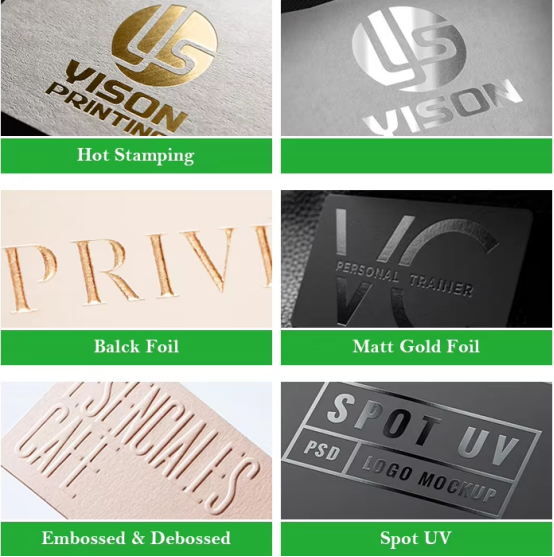
Incorporate Protective Finishes: Apply matte or gloss lamination, foil stamping, or UV coating to extend life and elevate appearance. Matte film cuts glare and hides scuffs; gloss film intensifies color while blocking moisture. Foil stamping introduces a premium cue suited to high-end goods.Optimize for Unboxing Experience: Engineer packs that open effortlessly—tear strips or magnetic closures—and narrate the brand story. Insert branded collateral such as thank-you cards or product guides to deepen engagement. For export, include multilingual instructions to serve varied markets.
Ensure Sustainability: McKinsey (2025) finds 73 % of global shoppers favor eco-friendly packs. Specify recycled or compostable substrates, low-coverage inks, and recyclable coatings. Print clear claims—e.g., “100 % Recyclable”—to connect with environmentally driven buyers.
5. Printing Cost Considerations
Achieving high print quality doesn’t have to break the bank—strategic decisions can balance quality and cost, a key concern for foreign trade independent station operators.
Optimize Order Quantity: Digital printing incurs no plate or setup charges, so short runs remain economical. Offset demands higher front-end costs, yet its unit price drops sharply once the order exceeds about 500 pieces. We map your sales forecast and budget to pinpoint the run size that minimizes total expense.
Simplify Designs Wisely: Fine-line artwork and extra colors raise print budgets. Keep the focus on core brand assets—logo and tagline—and limit the palette to one or two inks. A single premium accent, such as foil stamping,g can supply a luxury feel without multiplying colors.
Choose the Right Material: Match the board to the product, not the price list. E-flute corrugated, for instance, is thinner and cheaper than C-flute yet still protects light, small items, letting you cut grams and cents at once.
Partner with a Factory-Direct Supplier: Every intermediary adds margin. By manufacturing in-house, we remove those layers, channeling 20–30 % of the typical broker markup back into your budget while holding print fidelity and material grade constant.
Why Choose Us for High-Quality Packaging:
- In-House Manufacturing: We operate a state-of-the-art factory that gives us complete oversight of every production step, guaranteeing consistently high-quality packaging and competitive pricing.
-Uncompromising Quality: A minimum of three inspections and the use of premium materials keep defect rates under 0.5%. Prints stay sharp, colours remain accurate, and the packaging withstands long-distance transport.
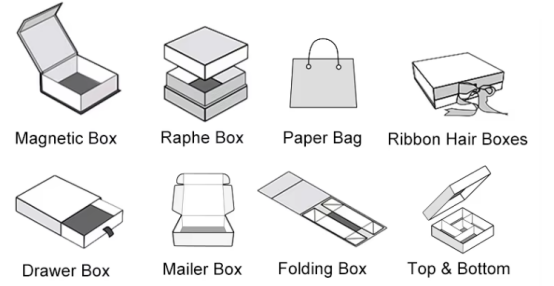
- Full Customization: Whether you need a unique print, specific material, special finish, or custom size, we adapt every detail to your brand and product. 3D mock-ups and physical samples are supplied for your approval.
- Reliable Global Logistics: Standard orders leave the factory in 7–10 days, rush orders in 3–5 days. We ship worldwide through DHL or FedEx, manage double-clearance, include duties in the quoted price, and deliver door-to-door so you avoid any logistical headaches.
- Dedicated Expert Support: Our packaging and foreign-trade specialists provide one-to-one guidance, helping refine designs and identify cost-saving opportunities throughout the project.
6. Conclusion
Premium print quality turns packaging into a strategic asset for cross-border direct-to-consumer sites: it shields the product, sharpens brand image, and sustains loyalty across markets. By grasping the fundamentals, controlling key variables, preventing common flaws, adopting best-practice standards, and trimming waste, operators can make cartons that catch the eye and repay their cost.
By shipping straight from our plant, enforcing strict quality benchmarks, offering complete customization, and running dependable worldwide logistics, we position ourselves as the partner who can meet any premium-packaging requirement. Beyond supplying cartons, we provide solutions that echo your brand, shield goods on long-haul routes, and sharpen your edge in global markets.
Invest inhigh-quality packaging that reflects your brand’s professionalism and values. Contact us today to start designing your custom packaging—and elevate your global presence.
FAQs
Q1: How long does it take to produce and ship custom high-quality packaging internationally?
A: Standard orders are ready within 7–10 working days; rush jobs can be completed in 3–5. DHL or FedEx then delivers worldwide in 3–10 days, door-to-door service included.
Q2: Can I request a print-quality sample before placing a bulk order?
A: Yes—just let us know. We’ll ship a physical sample within two to three working days so you can check print sharpness, color fidelity, and material quality.
Q3: Do you provide sustainable materials for premium packaging?
A: Yes. Our portfolio includes recycled board, compostable substrates, and soy inks, all of which can be tailored to your brand specifications.
Q4: How do you handle customs and taxes for international packaging shipments?
A: We provide double-clearance and tax-included shipping, so customs documentation and charges are settled in advance, sparing you surprise fees or hold-ups.
Post time: Jan-08-2026