
Proper food packaging preserves freshness, guarantees safe transport, attracts consumers and lifts brand competitiveness. This guide analyzes mainstream packaging types, pros, cons and applicable scenarios to help brands pick cost-effective, sustainable packaging wisely.
1.Why Food Packaging Matters
Food packaging is essential to the food industry rather than merely an outer package. It safeguards food safety, prolongs shelf life, facilitates transport and builds brand image. Certified packaging blocks dust, moisture, oxygen and UV light to stop food spoilage, mildew and contamination across its whole supply chain.
Attractive, standard and eco-friendly packaging improves product market competitiveness. It satisfies consumers’ pursuit of appearance and food safety, conforms to global relevant rules, and serves as a vital driving force for brands to expand their market reach worldwide.
2.Types of materials used for food packaging
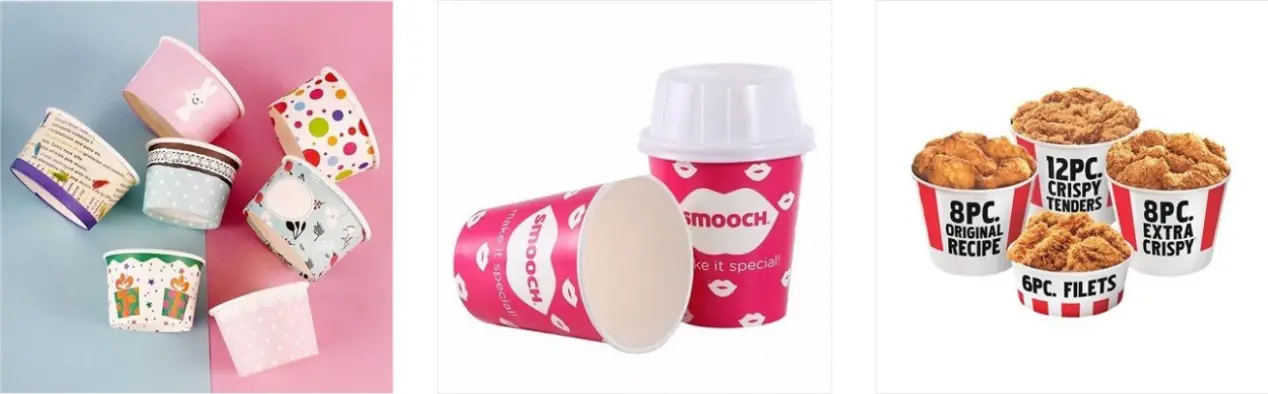
-
Disposable packaging bags
These lightweight, hygienic and cost-effective ready-to-eat food bags are tailor-made for your single-use scenarios to help you avoid cross-contamination. They meet basic food safety standards, allowing you to widely apply them to takeout, fast food, bulk snacks and daily temporary food storage.
-
Reusable packaging bags
Our reusable bags are crafted from durable, food-grade compliant materials so you can reuse them repeatedly. Eco-friendly, tear-resistant and portable, they fit perfectly into your sustainable business plans. You can use them to package dry goods, grains and various daily supermarket foods.
-
Food packaging bottles
You can opt for food-grade plastic and glass bottles to package your liquid and semi-liquid food products. Equipped with dependable sealing and high transparency, these bottles help you avoid leakage, dust and bacterial contamination, making them ideal for your long-term storage of beverages, cooking oil, sauces, honey and similar items.
-
Food cans
You can use metal cans to shield your products from oxygen, moisture and light. They support high-temperature sterilization, letting you extend your products’ shelf life for room-temperature storage. You may widely apply this packaging to your canned meat, fruit, seafood and preserved food items.
-
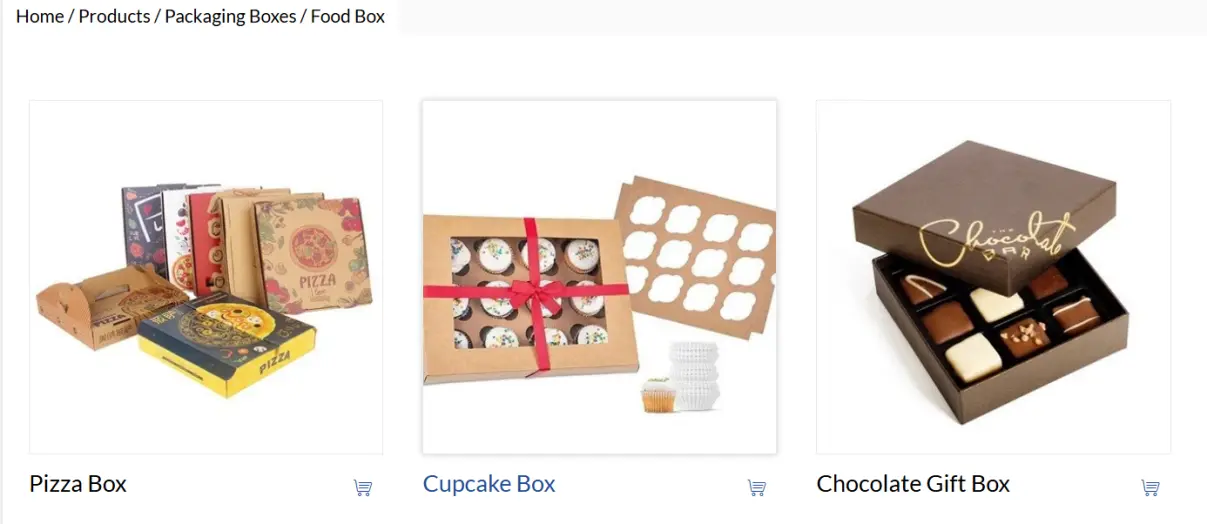
Food Packaging Boxes
You can leverage hard paper boxes and plastic boxes for your food packaging. Featuring superior compressive strength and great visual display effects, these packaging solutions safeguard your fragile high-end food products against logistics damage. Additionally, customized printing allows you to greatly improve the shelf appeal of your pastries, chocolates and food gift boxes.
-
Peelable Packaging
You’ll find this packaging adopts a peelable structure. It not only delivers a tight seal to keep your food fresh, but also lets you open the package effortlessly without any tools. You can often see this type of packaging applied to your favourite ready-to-eat snacks, dairy items and pre-packaged fresh food.
-
Food Packaging Film
You can use these thin, flexible and transparent food-grade films to tightly wrap your food or line packaging containers. They effectively block dust and moisture, helping you keep your fruits, vegetables and prepared foods clean and fresh.
-
Canned Packaging
You can choose this professional canned packaging with sealed and pressure-resistant designs that go through rigorous sterilization processes. It helps you effectively isolate bacteria and air, allowing your industrial canned and preserved foods to be stored at room temperature for a long time.
-
Bottle Caps and Corks
You can rely on these food-grade bottle caps and corks as your vital sealing parts. They stop liquid leakage and external contamination, securing the tight seal and safety of your bottled beverages, seasonings and edible oil products.
By selecting the right packaging style according to your product features, you can effectively safeguard food safety, improve stability during transportation, and boost your brand’s competitiveness in the market.
3.The Three Level of Standard Food Packaging
-
Primary Packaging (Inner Packaging)
It directly touches food and acts as the first safety barrier. Food-grade lining and sealed materials effectively block moisture, oxygen and dust, preventing food oxidation, mildew and flavor deterioration.
-
Secondary Packaging (Sales Packaging)
It refers to consumer-facing outer packaging such as custom cylindrical paper boxes. It protects inner products during handling while delivering exquisite printing and brand display, improving shelf competitiveness and unboxing experience.
-
Third-level packaging(Transport Packaging)
Designed for bulk shipping and warehousing, it includes export corrugated cartons and pallet packaging. It improves compression resistance and stacking stability, greatly reducing damage rates in cross-border logistics.
4.How to Choose the Right Food Packaging
1.Consider Food Characteristics and Barrier Requirements
Different foods have unique storage needs. Dry, light-sensitive products such as tea and coffee require moisture-proof, light-blocking packaging to retain flavor and prevent oxidation. Powdered foods need sealed packaging to avoid leakage and dampness. Perishable snacks and baked goods require breathable and dust-proof structures, while liquid and sauce foods demand high airtight packaging. For these premium dry food categories, cylindrical paper boxes with food-grade aluminum foil lining provide excellent barrier performance far beyond ordinary paper cartons.
2.Match Packaging with Brand Market Positioning
Packaging creates your product’s first impression on consumers. For your affordable mass-market daily snacks, lightweight plastic pouches and regular square cartons are cost-effective and practical for bulk sales. If you sell mid-to-high-end food, gift packs or specialty goods, custom cylindrical paper boxes bring you a sophisticated, upscale look. You can apply 360° seamless printing, hot stamping and UV coatings on these boxes to lift your brand image, helping your items stand out and draw buyers’ attention both in physical retail stores and online shopping platforms.
3.Adapt to Logistics and Transportation Conditions
Cross-border shipping and long-distance logistics put forward high requirements on packaging durability and compression resistance. Ordinary paper boxes are prone to extrusion deformation and damage during stacking and transportation. Cylindrical paper boxes feature an evenly stressed circular structure with strong compression and shock resistance, which greatly reduces product damage rates in international shipping, warehousing and retail display links, saving brands extra after-sales and replacement costs.
4.Comply with Global Green Packaging Standards
With stricter plastic restriction policies and rising consumer environmental awareness worldwide, sustainable packaging has become a basic threshold for entering European, American and other mainstream markets. YUCAI stays committed to sustainable packaging. We supply clients with eco-friendly materials that comply with current low-carbon trends and global environmental requirements.Recyclable, biodegradable paper packaging is fully compliant with international environmental regulations. Choosing FSC-certified cylindrical paper packaging can help brands avoid market access risks, meet green consumption trends, and build an eco-friendly brand image.
5.Balance Cost and Practical Value
While controlling packaging costs, brands should comprehensively measure the comprehensive value of packaging. High-quality customized paper packaging reduces product loss, improves customer repurchase rate through exquisite unboxing experience, and brings invisible brand marketing benefits, achieving a perfect balance between cost, safety and brand promotion.
5.Common Mistakes When Choosing Food Packaging You Need to Avoid
1.Choosing Packaging Only by Low Cost
Selecting food packaging merely based on low costs causes hidden risks. Inferior packaging leads to food spoilage, logistics damage and compliance issues, greatly harming brand reputation and long-term market benefits.
2.Ignoring Product Characteristics and Barrier Needs
You may use universal packaging for all your food products and overlook their unique barrier needs. For moisture-sensitive and light-prone items like tea and coffee, you need professional food-grade packaging such as cylindrical paper boxes. Ordinary cartons or plastic bags cannot effectively preserve your food’s freshness.
3.Selecting Inappropriate Packaging Size
Improper packaging size creates many issues. Oversized boxes cause product shaking, damage and higher shipping volume costs. Undersized packaging is tight, hard to pack and easy to deform, negatively affecting unboxing experience and brand image
4.Neglecting Cross-Border Environmental Compliance
Cross-border markets enforce strict eco-packaging rules. Non-recyclable plastic packaging may face customs rejection and return risks. Neglecting FSC and food-grade certifications will cause compliance problems and damage brand credibility.
5.Overlooking Logistics and Stacking Resistance
Prioritizing appearance over logistics performance is a common error. Delicate but weak packaging cannot endure long shipping and stacking. Sturdy structures like cylindrical paper boxes greatly reduce bulk order damage rates, which many brands overlook.
6.New Packaging Trends in 2026
Driven by stricter environmental regulations and evolving consumer aesthetics, the global packaging industry is embracing three mainstream directions: sustainability, minimalist design and digital intelligence.
Eco-friendly packaging has become a basic industry requirement. Recyclable paper and biodegradable materials are gradually replacing traditional plastic packaging. Brands are cutting redundant structures to avoid over-packaging, which also helps exporters meet international environmental compliance standards.
In design, low-color matching and delicate crafts like embossing and hot stamping are widely adopted. Digital printing supports small-batch personalized customization. AI technology is also applied in structural design, material selection and anti-counterfeiting traceability to lower production costs.
Modern packaging has gone beyond basic storage functions. Environmental value, visual texture and digital experience have become key competitive advantages for global brands.
Final Thoughts
Food packaging focuses on safety, eco-compliance and branding. Food-grade materials protect food and meet global standards. Recyclable paper structures suit logistics and exports, with premium crafts and custom printing. Labels and traceability codes fulfill regulations to lift brand competitiveness.
Frequently Asked Questions About Cylinder Paper Box
Q1: Which food packaging is the most eco-friendly?
Recyclable kraft paper and biodegradable packaging are the best choices, which can be recycled or decomposed to avoid over-packaging.
Q2: What is food-grade packaging?
It uses safe materials for direct food contact with no harmful substances, complying with international food safety certifications.
Q3: Which packaging suits food transport best?
Sturdy corrugated boxes, lock-bottom boxes and sealed paper cans resist extrusion and moisture to protect goods in transit.
Q4: Can we add brand logos on packaging?
Sure. Custom logos and patterns are available via multiple printing processes to boost brand exposure.
Post time: Jun-25-2026