
Choosing the right paper is key for your brand’s packaging. You have three main choices: glossy, matte, or uncoated paper. Each one creates a different look and feel. This guide will help you decide which is best for your product.
Key Difference for Each Lamination
The key difference is the paper’s coating. This coating changes the paper’s texture, shine, and how it absorbs ink.
- Glossy paperhas a shiny coating. It makes colors look bright.
- Matte paperhas a smooth, non-shiny surface. It creates an elegant look.
- Uncoated paperhas no coating. It feels natural and textured.
Let’s break down what this means for your brand. We will focus on matte paper, a popular choice for modern luxury products.
Pro Tip: Feel the Difference Yourself
You can’t feel paper on a screen. To make the best choice, it helps to see and touch the options. We offer free paper samples so you can compare the texture and finish before you order.
Glossy Paper – Bright Colors, Strong Visual Impact
The glossy paper is polished after being treated with a coating, giving it a smooth, shiny surface. This treatment ensures the paper's waterproofing and allows ink to adhere perfectly to its surface. The process makes colors brighter and more vivid.
When to use glossy paper
Use glossy paper for an instantly captivating finish. Its shiny surface creates a striking visual effect.
Applications: photos, retail catalogs, and promotional posters.
Advantages: vibrant and intense colors, strong visual impact.
Disadvantages: easily reflective, may cause glare; also prone to leaving fingerprints.
For packaging, glossy material is ideal for cosmetics or electronics, as appearance on shelves is crucial.
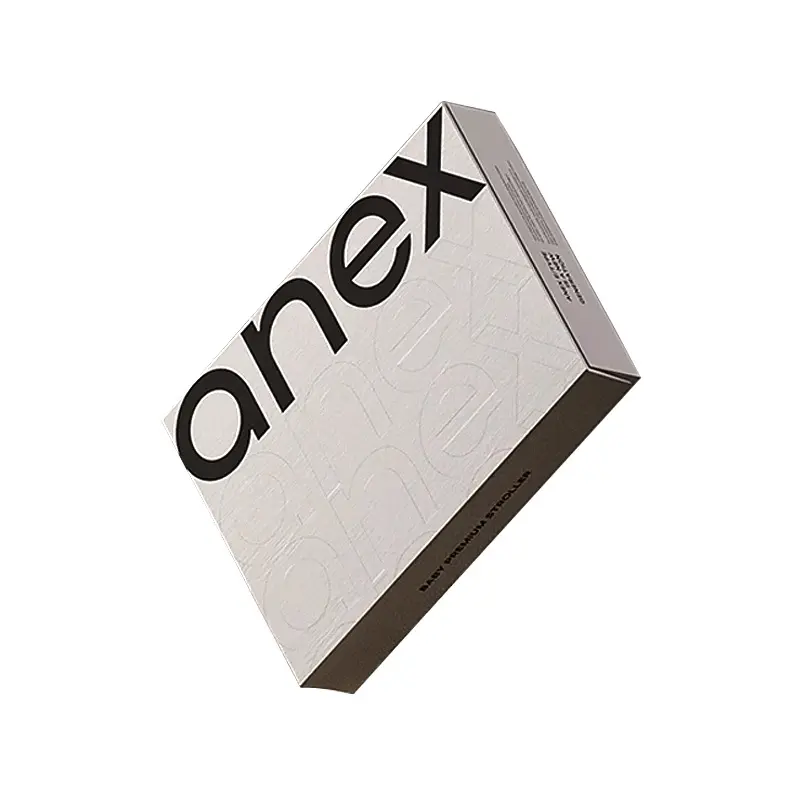
Matte Paper: Modern & Elegant Texture
Mat paper is also coated but not polished, resulting in a smooth, non-glossy surface that delivers a refined matte finish.
The matte surface does not reflect light but rather absorbs it, giving it a softer, more delicate appearance. This texture appears professional and has become a standard feature among high-end brands.
When to use matte paper
Matte paper creates a subtle and elegant visual effect, ideal for occasions where the packaging should convey a high-end and modern appearance.
Suitable for: luxury packaging, business cards, and artistic prints.
Advantages: no glare, clear and legible text, resistant to stains and fingerprints.
Disadvantages: color is slightly darker than that of glossy paper.
This is our most popular finishing method for premium packaging (such as custom clothing bags or personalized jewelry boxes), as it conveys a sense of superior quality.
Top Features of High-Grade Matte Paper
When selecting matte paper, keep the following two characteristics in mind:
Glossy white paper: a glossy white base provides a clear and precise color impression, offering high contrast to your design.
Acid-free paper: this means the paper does not yellow over time. Without acid, the paper contains no chemical substances responsible for degradation, preserving the fresh appearance of the packaging. This is an essential factor for high-quality matte printing.
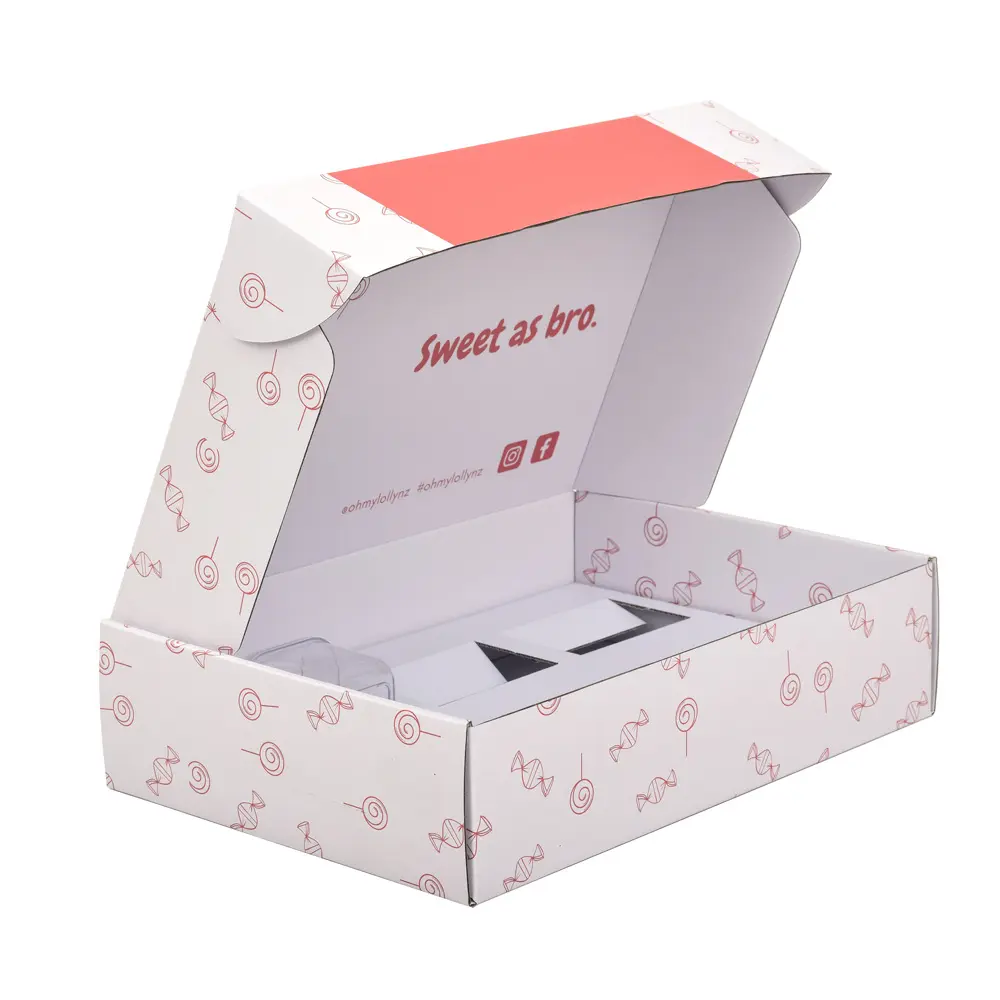
Uncoated Paper: Natural Organic Texture
Untreated paper is not coated with any finish, leaving the fibers completely visible and providing a natural, tactile-rich texture.
Thanks to its porosity, the paper absorbs ink, making colors softer and warmer. The main advantage of uncoated paper lies in this natural, organic feel.
When to use uncoated paper
Uncoated paper is particularly suitable for brands aiming to convey an authentic, simple, or eco-friendly image.
Areas of application: office supplies, notebooks, and environmentally friendly packaging.
Advantages: natural texture, easy writing.
Disadvantages: colors may appear less vibrant or too dark.
Many uncoated papers are made from recycled materials. Our kraft paper bags take advantage of this texture to offer an eco-friendly appearance.
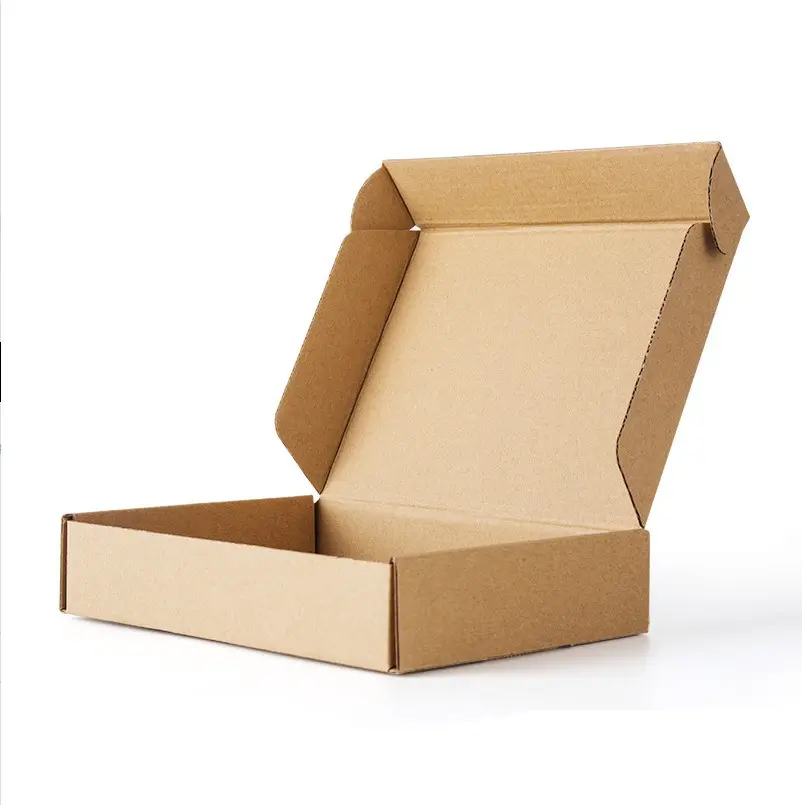
Choose the Best Paper Material to Match Your Project Needs
Your choice depends on your brand’s goal. Think about the message you want to send.
Step 1: Define the brand's style
Brave and dynamic? Choose a glossy finish.
Modern and luxurious? Opt for a matte finish.
Natural and authentic? Go with a smooth, uncoated finish.
Step 2: Consider product usage
A design with lots of text? A matte or uncoated paper is easier to read.
Images, such as photos? A glossy surface makes the image clearer.
Will the product be frequently handled? Matte and uncoated materials are better at resisting fingerprints than glossy surfaces.
Not sure which packaging shape suits your brand? Check out our complete comparison: folded box, assembled box, magnetic box.
Step 3: Choose the paper according to your budget
Generally, uncoated paper is the most economical option, while glossy and matte papers are premium choices. However, the final price depends on several factors.
Need help making a decision?
We assist brands every day in perfectly matching their design with the most suitable paper.
Here is a simple table to help you compare the three paper types at a glance.
| Feature | Glossy Paper | Matte Paper | Uncoated Paper |
| Look & Feel | Shiny and slick | Smooth and velvety | Natural and textured |
| Color | Very bright and vibrant | High-quality and soft | Muted and warm |
| Readability | Good, but can have glare | Excellent | Excellent |
| Fingerprints | Shows easily | Resists smudges | Resists smudges |
| Best For | Photos, Flyers | Luxury Packaging, Art Prints | Stationery, Eco-Brands |
Final Thoughts
Understanding the differences between glossy, matte, and uncoated paper allows you to make an optimal choice for your brand. The right paper not only supports your design but also conveys quality and tells the story of your brand.
If you're still unsure, the Yucai packaging team is available at any time. We can provide professional advice and paper samples to help you find the most suitable packaging solution.
FAQ
1. What is the MOQ for custom boxes?
No MOQ, more quantity, lower unit price.
2. Can I order a sample before mass production?
Yes. Yucai provides samples so you can check size, material, print quality, and overall appearance before placing a large order.
3. How long does production usually take?
Production time depends on customization and order quantity. Standard orders may take 7–15 business days, while complex designs can take longer.
4. Will custom boxes increase shipping costs?
Not necessarily. Choosing the right size and lightweight materials can help reduce unnecessary shipping expenses.
5. Can I customize the box size for my products?
Yes. Custom sizing is available to better fit products, reduce movement during shipping, and improve presentation.
6. Are custom boxes suitable for international shipping?
Yes, but material strength and box structure should match shipping distance and product fragility.
7. Can I reorder the same packaging design later?
Yes. Yucai saves design files and specifications, making future reorders faster and more consistent.
Post time: Jul-14-2026