
In the complex ecosystem of (foreign trade) and e-commerce, every detail of your shipping process impacts customer satisfaction, operational costs, and brand reputation—and few details are as critical as custom shipping box size. A box that’s too large wastes materials and money on shipping fees; one that’s too small risks product damage and returns. For (foreign trade) businesses navigating global logistics, getting the shipping box size right isn’t just a practical choice—it’s a strategic one. This guide breaks down everything you need to know to select the perfect custom shipping box size, from understanding dimensions to leveraging tailored solutions that boost efficiency and brand value.
1.Shipping Box Sizes & Dimensions
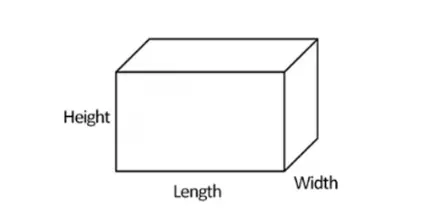
Before diving into size selection, it’s essential to master the basics of shipping box dimensions—a common source of confusion for (foreign trade) sellers. Shipping carriers (like DHL, FedEx, and UPS) define box dimensions by three measurements: length, width, and height (L×W×H). The “length” is always the longest side of the box, followed by width (the shorter side of the base), and height (the distance from the base to the top).
2.Why Shipping Box Size Matters
The size of your shipping box isn’t just a logistical detail—it impacts every stage of the (foreign trade) shipping journey, from production to customer unboxing. Here’s why it’s non-negotiable to get it right:
Product Protection: The biggest risk of ill-fitting boxes is product damage. A box that’s too large allows items to shift during transit, leading to scratches, dents, or breaks—especially for fragile goods like glassware or electronics. A 2024 study by the Packaging Federation found that (foreign trade) brands using properly sized boxes reduced damage rates by 58% compared to those using standard boxes. Conversely, a box that’s too tight can crush delicate products, turning a potential repeat customer into a dissatisfied one.
Brand Perception: A box that fits your product perfectly sends a message of care and professionalism. Customers notice when a brand uses a box that’s just the right size—no excessive packing peanuts, no wasted space. This attention to detail enhances the unboxing experience and builds trust, a critical asset for (foreign trade) brands trying to stand out in global markets.
3.Step-by-Step: Choosing the Right Custom Shipping Box Size
Selecting the perfect custom shipping box size is a straightforward process when you follow these steps—tailored specifically for (foreign trade) products:
Step 1: Measure Your Product Accurately
Start by measuring your product’s length, width, and height with a tape measure. For irregularly shaped items (e.g., gift baskets, curved electronics), measure the maximum dimensions to ensure a snug fit. If you’re shipping multiple products in one box, pack them as you would for shipping and measure the entire bundle—don’t guess based on individual item sizes.
Step 2: Add Cushioning Allowance
All products need a small buffer for cushioning (e.g., bubble wrap, foam inserts) to prevent damage. Add 0.5–1 inch to each dimension of your product measurement. For fragile items like glass or ceramics, add 1–2 inches to accommodate extra padding. This ensures your product is protected without making the box excessively large.
Step 3: Consider Shipping Mode & Transit Conditions
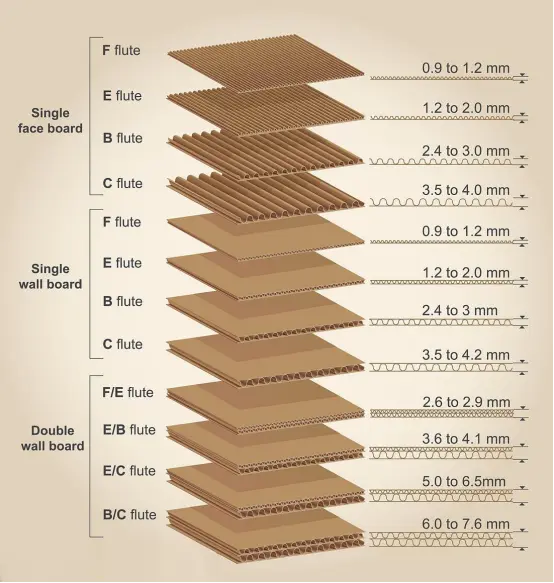
(foreign trade) shipments face longer transit times and more handling than domestic orders. If your box is traveling by sea (where moisture and rough handling are common), opt for a slightly sturdier box (and appropriate size) to withstand these conditions. For air shipping, prioritize a compact size to reduce DIM weight fees.
- Custom vs. Standard Shipping Boxes: Which Is Better?
For (foreign trade) businesses, the choice between custom shipping boxes and standard boxes is clear—but it’s important to understand the tradeoffs:
Standard Shipping Boxes: Pros include immediate availability and lower upfront costs for small orders. Cons? They’re rarely the perfect size, leading to higher shipping fees, increased damage risk, and wasted materials. Standard boxes also offer no branding opportunities, making it hard to stand out in global markets. They’re a temporary solution at best, not a long-term strategy for (foreign trade) growth.
Custom Shipping Boxes: While custom boxes may have a slightly higher upfront cost for small batches, their long-term benefits far outweigh this:
- Perfect fit reduces damage and shipping costs.
- Branding space (logos, colors, messages) turns boxes into marketing tools.
- Reduced material waste aligns with sustainability goals.
- Scalability—custom sizes adapt as your product line grows.
5.Enhance Unboxing Experiences with Custom Shipping Boxes
The unboxing experience is a critical touchpoint for (foreign trade) brands—and custom shipping box size plays a key role in making it memorable. A perfectly sized box eliminates the “empty space” disappointment customers feel when opening an oversized package. Pair the right size with these elements to elevate unboxing:
Branded Inserts: Use custom tissue paper, stickers, or thank-you cards that fit neatly inside the box. A properly sized box ensures these inserts don’t shift, maintaining a polished look.
Functional Design: Add features like easy-tear strips or resealable flaps to boxes that fit your product. For example, a small beauty box with a tear strip makes unboxing effortless, while a larger clothing box with a resealable flap lets customers reuse it for storage.
Sustainability Messaging: Highlight that your box is “Perfectly Sized to Reduce Waste” on the packaging. Eco-conscious customers appreciate this transparency, and it reinforces your brand’s values.
For (foreign trade) brands, a great unboxing experience leads to social media shares and word-of-mouth referrals—extending your brand’s reach to new global markets.
6. Why Choose Us for Your Custom Shipping Boxes
For (foreign trade) businesses, the right custom shipping box supplier is as important as the box itself. We stand out with factory-direct advantages that solve your size, cost, and logistics challenges:
Our Own Factory: We own and operate a state-of-the-art manufacturing facility, eliminating middlemen and passing savings directly to you. This means competitive pricing for custom sizes—20–30% lower than third-party suppliers. We control every step of production, from material sourcing to cutting, ensuring consistency.
Uncompromising Quality: We use premium corrugated cardboard (FSC-certified) and conduct strict quality checks—every box is tested for strength and fit. Our boxes withstand the rigors of (foreign trade) transit, with defect rates below 0.5%.
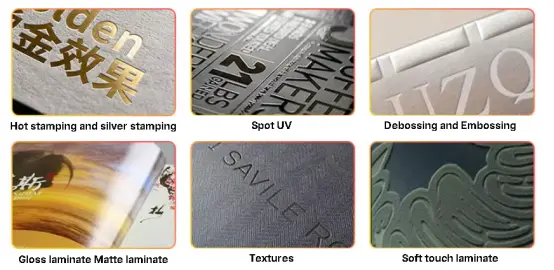
Full Customization: We tailor every box to your exact size and branding needs—from dimensions to printing (CMYK, PMS) and finishes (matte lamination, foil stamping). We provide 3D mockups and physical prototypes so you confirm the size and design before bulk orders.
Reliable (Foreign Trade) Logistics: We offer 7–10 day production lead times (rush options available) and partner with DHL/FedEx for global shipping. Our double clearance and tax-included service avoids customs delays, and door-to-door delivery ensures boxes arrive at your warehouse or fulfillment center—no hassle. Real-time tracking keeps you informed every step of the way.
Dedicated Support: Your personal account manager (fluent in (foreign trade) needs) guides you from size selection to delivery, resolving issues quickly. We understand the unique challenges of global shipping and tailor solutions to your market.
7. Conclusion
Choosing the perfect custom shipping box size is a strategic decision that impacts every aspect of your (foreign trade) business—from shipping costs to customer loyalty. A properly sized box protects your products, reduces waste, enhances your brand, and boosts your bottom line. By following the step-by-step guide, prioritizing customization over standard boxes, and partnering with a factory-direct supplier, you can turn your shipping boxes into a competitive advantage.
At our factory, we’re committed to delivering custom shipping boxes that fit your products, your brand, and your budget. With our quality assurance, customization expertise, and reliable (foreign trade) logistics, we’re your trusted partner for global shipping success. Invest in the right box size today—and watch your efficiency, savings, and customer satisfaction grow.
FAQs
Q1: How do I calculate DIM weight for my custom shipping box?
A: DIM weight = (Length × Width × Height) / DIM factor (varies by carrier; e.g., 139 for international air). Our team calculates this for you to ensure cost efficiency.
Q2: Can I get custom boxes for irregularly shaped (foreign trade) products?
A: Absolutely! We measure your unique product and design a box that fits snugly—whether it’s curved, cylindrical, or bulky.
Q3: How long does it take to receive custom shipping boxes for international orders?
A: Production takes 7–10 days, with 3–10 day international shipping via DHL/FedEx. We handle double clearance for fast delivery.
Q4: Do you offer samples to test box size and quality?
A: Yes—we provide physical samples within 2–3 days so you can verify fit, strength, and design before placing bulk orders.
Post time: Dec-12-2025