
When you're shipping a product you've poured your heart into, the box it travels in is more than just a container. It's a guardian, a protective shell responsible for ensuring your item arrives safely and makes a perfect first impression. But when you start looking into packaging, you're suddenly faced with a world of confusing terms: C-flute, 32 ECT, double-wall, board grade. It can feel overwhelming. Choosing the wrong corrugated box can lead to damaged products, unhappy customers, and unforeseen costs.
As a packaging manufacturer with over 15 years of experience, I've seen firsthand how crucial the right box is to a business's success. This guide is here to demystify the world of corrugated packaging. We will break down the science behind these amazing boxes in simple terms, so you can learn how to choose the right corrugated solution to protect your products, delight your customers, and support your brand. Reading this will give you the confidence to select the best packaging for your specific needs.
What Exactly is a Corrugated Box? (It's More Than Just Cardboard)
First, let's clear up a common mix-up. While many people use the word "cardboard" to describe a shipping box, what they're usually referring to is corrugated fiberboard. Simple cardboard, like the kind used for a cereal box, is just a single, thick sheet of paper. A corrugated board, however, is a highly engineered material designed for strength and durability.
Think of it as a paper sandwich. A standard corrugated board has three layers:
- An inside liner
- An outside liner
- A layer of corrugated medium, or flute, sandwiched between them.
This fluted layer is the wavy, arched paper in the middle, and it's the secret to the box's strength. The arches create pockets of air that act as a cushion, and the rigid structure provides excellent crush resistance and stacking strength. This simple but brilliant design is what makes corrugated boxes the workhorse of the global shipping industry and the best packaging for protecting goods in transit. It’s important to understand this basic structure before you can choose the right box.
Why is the Flute Type So Important for Your Packaging?
The "flute" is that wavy layer of paper inside the corrugated board. The size of these waves, or arches, is called the flute profile, and it dramatically changes the performance of the box. Different flute profiles offer different benefits, so picking the right one is a key step in choosing the right corrugated packaging. The two main functions of the flute are providing cushion and structural support.
There are several standard flute sizes, each identified by a letter. Here are the most common ones you'll encounter:
- A-Flute: One of the original flute types, it's the thickest and provides the most cushion and stacking strength. However, its surface is less smooth for printing.
- C-Flute: The most common flute profile used for standard shipping boxes. It offers a great all-around mix of cushioning, stacking strength, and a decent printing surface.
- B-Flute: Thinner than C-flute, it has more flutes per square foot. This gives it good crush resistance and a smoother surface for printing, but less cushion. It's often used for retail packaging.
- E-Flute: This is a very thin flute, providing an excellent surface for high-quality printing. It’s often used for retail boxes (like pizza boxes) and product displays where branding is key.
- F-Flute: The thinnest of all, it's sometimes called "microflute." It allows for very rigid boxes with a superior printing surface, often used for premium consumer goods packaging.
| Flute Type | Thickness (Approx.) | Flutes Per Foot | Key Characteristics |
|---|---|---|---|
| A-Flute | 1/4" (5 mm) | 36 | Excellent cushion and stacking strength. |
| C-Flute | 3/16" (4 mm) | 41 | Good all-around performance; most common. |
| B-Flute | 1/8" (3 mm) | 49 | Good crush resistance and printing surface. |
| E-Flute | 1/16" (1.5 mm) | 90 | Excellent for high-quality printing; thin. |
| F-Flute | 1/32" (0.8 mm) | 128 | Superior printing surface; very thin and rigid. |
Single-Wall vs. Double-Wall: Which Type of Corrugated Box Do You Need?
Once you understand flutes, the next decision is how many layers of protection you need. This brings us to the difference between single-wall and double-wall corrugated boxes.
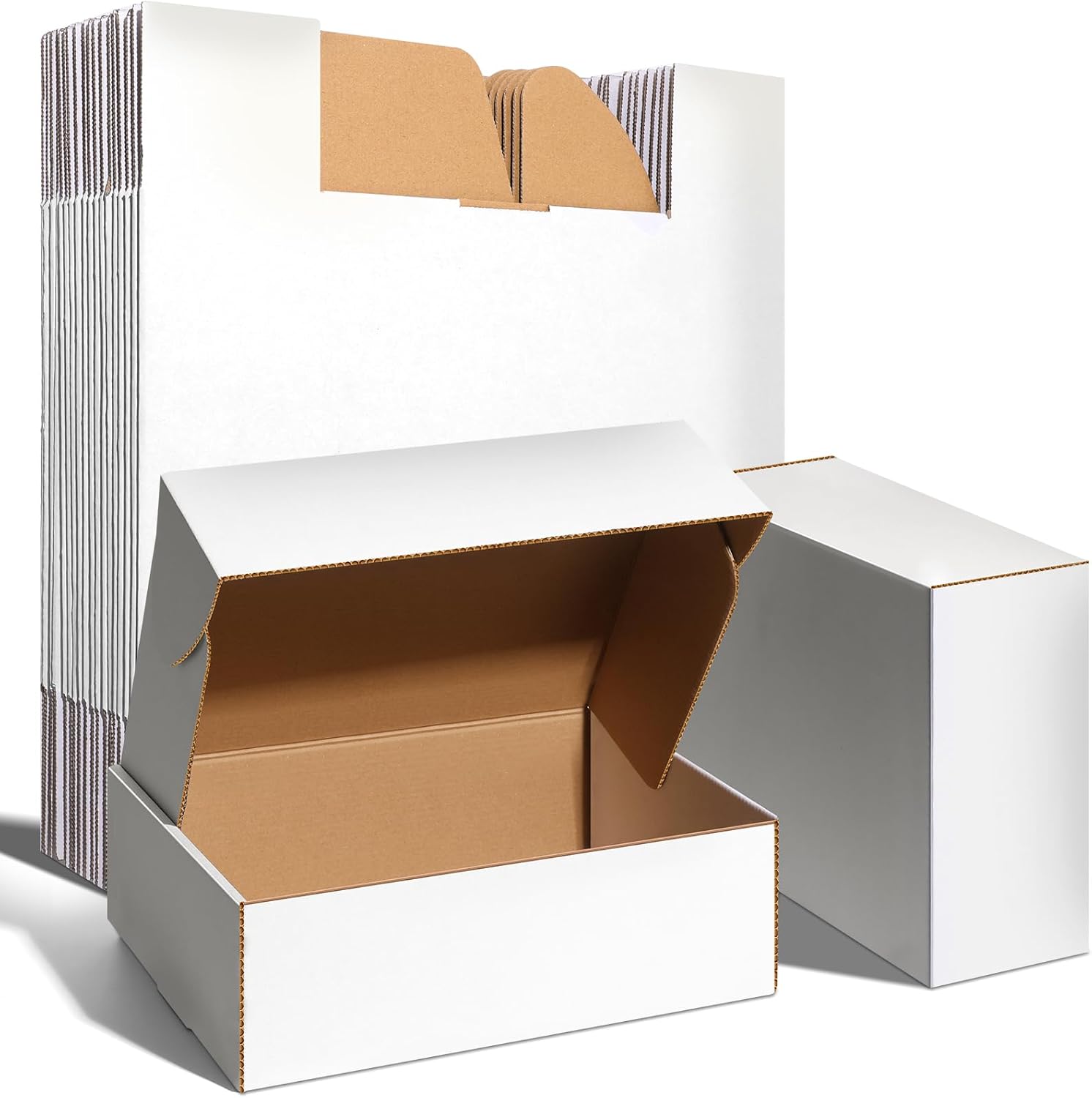
A single-wall corrugated box is the standard three-layer structure we discussed: liner-flute-liner. These boxes are perfect for shipping most everyday goods and are the most common box type you'll find. A single-wall box is ideal for lightweight items and products that are not particularly fragile. They offer a great balance of protection and cost-effectiveness for a wide variety of shipping needs.
A double-wall corrugated box, as the name suggests, has two layers of fluting and an additional middle liner. The structure is liner-flute-liner-flute-liner, creating a five-layer board. This construction makes double-wall boxes significantly stronger, more durable, and more resistant to crushing. You should choose the right corrugated double-wall option when:
- You are shipping heavy items (e.g., small appliances, bulk goods).
- You need to protect fragile items that require extra rigidity and cushion.
- Your boxes will be stacked high in a warehouse, requiring superior stacking strength.
How Do You Read and Choose the Right Corrugated Board Grade?
This is where things can get a bit technical, but don't worry, the concept is simple. The board grade is a measure of the box's strength. It tells you how much force the box can withstand before it gets crushed or punctured. Choosing the right board grade is critical for ensuring your products are safe. The most common strength test used today is the Edge Crush Test (ECT).
The Edge Crush Test (ECT) measures the stacking strength of the corrugated board. Imagine standing a small piece of the board on its edge and pressing down on it. The ECT rating is the amount of pressure (in pounds per square inch) that the edge can withstand before it collapses. A higher ECT rating means the box is stronger and can be stacked higher without being crushed. For example, a standard shipping box might have an ECT of 32, while a box for heavier items might have an ECT of 44 or higher.
You might also see a Mullen Test rating, which is an older standard that measures the box's bursting or puncture resistance. While some industries still use it, ECT is now the more common and relevant measure for modern shipping, where boxes are often stacked on pallets. When you see a stamp on the bottom of a box with a number followed by "ECT," you're looking at its board grade and a key indicator of its durability.
What Key Factors Should You Consider When Choosing the Right Box?
Now that you understand the building blocks of a corrugated box, you can put it all together. Here are the key factors to consider when choosing the perfect packaging for your products:
- Product Weight and Size: This is the most important factor. The heavier your item, the stronger your box needs to be. This will influence your choice of a single-wall vs. double-wall box and the required ECT rating. The box should also be just large enough to fit the product with a small amount of space for protective fill.
- Product Fragility: How delicate is your product? For fragile items like glassware, electronics, or ceramics, you'll need a box with more cushion. A thicker flute profile (like C-flute) or a double-wall construction is often necessary. The right protective packaging is non-negotiable for fragile goods.
- Shipping Method: How will your box be shipped? A single package sent via courier will face more bumps and drops than a pallet of boxes shipped by freight. For individual shipments, a stronger box is often a wise investment to prevent damage.
- Stacking and Storage: How will your boxes be stored? If you plan to stack them high in a warehouse, you need a box with a high ECT rating to ensure the ones on the bottom don't get crushed. Stacking strength is crucial for inventory management.
How Do Flute Profiles Provide Extra Protection for Fragile Items?
When it comes to packaging for fragile items, the magic is all in the flute. The series of arches in the corrugated medium creates an exceptional cushioning system that absorbs shock and vibration during transit. Think of it like the suspension system in a car. When the box is dropped or jostled, the arches compress and decompress, dissipating the force before it can reach your fragile product.
This is why using the right flute profile is so important. A thicker flute, like C-flute, has larger arches, creating more air space and therefore more cushion. This makes it ideal for fragile items that need protection from impact. For very heavy or fragile items, a double-wall board combines two layers of this cushioning, often with two different flute types, to provide maximum protection against both impact and crushing.
However, the box alone is not enough. The best packaging for fragile items requires a holistic approach. The item should fit snugly inside the box, with any empty space filled with materials like bubble wrap, air pillows, or custom inserts. The goal is to immobilize the product so it can't shift around, allowing the corrugated structure to do its job of absorbing external shocks. Protection for fragile items is a science.
Are Corrugated Boxes a Cost-Effective Packaging Solution?
Absolutely. Corrugated packaging is one of the most cost-effective and efficient ways to ship products. The raw materials are relatively inexpensive, and the manufacturing process is highly streamlined. Their lightweight nature also helps to keep shipping costs down compared to heavier packaging materials like plastic or wood.
However, the real cost-effectiveness comes from choosing the right box. It might be tempting to save a few cents per box by choosing a lower board grade or a thinner wall. But this is often a false economy. The cost of a single damaged product—including the replacement, the extra shipping, and the damage to your brand's reputation—can far outweigh the initial savings on packaging.
Investing in the right corrugated box is an investment in your product's safety and your customer's satisfaction. By carefully selecting the right materials and construction for your specific needs, you create a durable packaging system that minimizes risk and delivers the best possible value. It's the smartest way to protect your products and your bottom line.
What are the Different Types of Corrugated Boxes Available?
While the material might be the same, corrugated boxes come in many different styles. The style you choose affects how the box is assembled, how it opens, and how it presents your product. Here are a few common types of corrugated boxes:
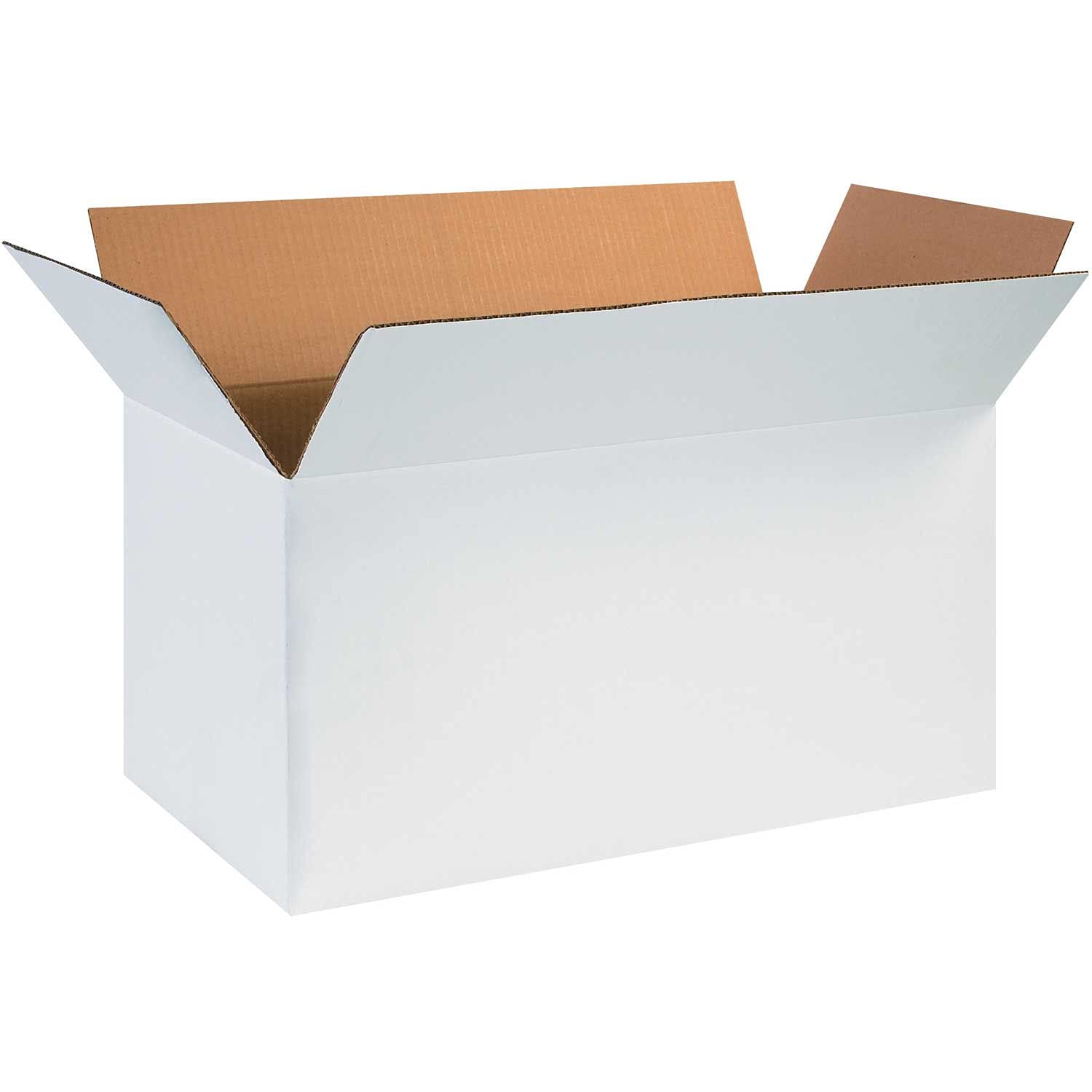
- Regular Slotted Container (RSC): This is the most common style of shipping box. All the flaps are the same length, and the two outer flaps meet in the middle when folded. They are efficient to produce and easy to seal with tape.
- Die-Cut Mailers: These are custom-designed boxes that are cut from a sheet of corrugated material using a die. They often feature locking tabs and flaps that create a more secure and presentation-focused package. Custom mailer boxes are very popular for e-commerce and subscription box brands because they offer a better unboxing experience.
- Full Overlap (FOL): In this style, the outer flaps fully overlap when closed, providing extra thickness and strength on the top and bottom. This makes them great for shipping heavy or flat items that need extra support.
How Can You Customize Your Corrugated Packaging?
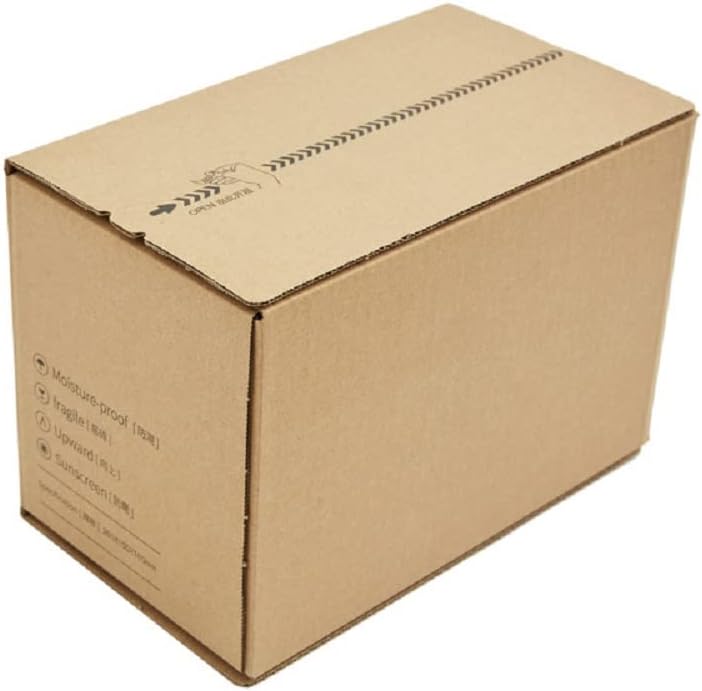
Your shipping box doesn't have to be plain brown. Even the most durable corrugated box can be a powerful branding tool. Custom packaging allows you to print your logo, brand colors, and marketing messages directly onto the box, turning a simple container into a mobile advertisement.
Printing on corrugated cardboard is highly effective. Even a simple one-color print of your logo on a standard RSC box can significantly increase brand visibility as it travels to your customer. For a more premium look, die-cut mailers offer a smoother surface that is perfect for more complex, multi-color designs. You can create a fully branded unboxing experience that makes your package instantly recognizable and much more exciting to receive.
At Yucai, we specialize in creating custom corrugated boxes that are both strong and beautiful. We can help you design packaging that not only provides the perfect level of protection for your products but also tells your brand's story. These boxes are perfect for custom branding that makes a lasting impression.
What Should You Look for in a Corrugated Packaging Supplier?
When it comes to choosing the right supplier for your packaging needs, you should look for more than just a company that sells boxes. You need a partner who understands the science of corrugated and can help guide you to the perfect packaging solution for your business.
Look for a supplier with experience and expertise. They should be able to ask you the right questions about your product and shipping process to recommend the best flute type, board grade, and box style. They should also have a strong commitment to quality control to ensure that every box you receive is consistent and reliable.
A good partner will be able to offer a range of options, from standard shipping boxes to fully custom packaging solutions. They should work with you to find a solution for your business that balances protection, branding, and budget. As a manufacturer, our goal is to build long-term relationships by providing not just boxes, but also the expertise and support that helps our clients succeed.
Key Takeaways to Remember
- Analyze Your Product First: Before choosing a box, always assess your product's weight, size, and fragility. This will be the most important factor to help guide your decision.
- Flute Determines Performance: The flute profile is key. Choose thicker flutes (like C-flute) for more cushion for fragile items, and thinner flutes (like B- or E-flute) for better print quality.
- Match the Wall to the Weight: Use single-wall boxes for most lightweight items and upgrade to double-wall for heavy or fragile items that need extra protection and stacking strength.
- Understand the Strength Rating: The ECT (Edge Crush Test) rating tells you the box's stacking strength. A higher ECT means a stronger box.
- Don't Skimp on Protection: Investing in the right corrugated box is a cost-effective way to prevent the much higher costs associated with product damage and customer dissatisfaction.
Post time: Nov-27-2025