
In jewelry retail, packaging is as crucial as the jewelry itself—it shapes customer perception, protects pieces, and elevates unboxing. A 2024 Packaging Digest report shows 72% of consumers are influenced by packaging. Choosing the right materials, balancing aesthetics, functionality and brand alignment, is key to resonating with audiences and strengthening your brand.
Start with Your Brand Identity: The Foundation of Material Choice
Before choosing jewelry packaging materials, you should first consider your brand logo. Your packaging is the first physical experience for customers, and even share your brand story before they see the jewelry. You should reflect on your brand value, target audience, and the unboxing experience you want to create. Packaging is not merely about protecting items - it represents your brand and leaves an unforgettable first impression. Keeping the packaging consistent with your brand helps convey your style and build stronger customer connections, while a clear brand direction simplifies effective material selection.
Different brands require distinct materials: luxury labels may use velvet, satin, leather or rigid boards for elegance; eco-friendly brands can opt for recycled paper, bamboo or biodegradable options to appeal to sustainability-focused young consumers; handmade boutiques may choose kraft paper or linen for an artisanal touch; and modern trendy brands might use acrylic, metallic finishes or matte cardboard in fashionable hues. Selecting suitable materials attracts your target customers and makes your jewelry stand out.
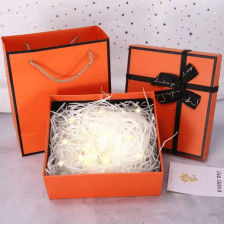
Key Materials for Custom Jewelry Packaging: Advantages, Disadvantages, and Best Uses
Once you’ve aligned your material choice with your brand identity, it’s time to explore the most popular options, their functional benefits, and their ideal use cases. Each material has unique properties that make it suitable for different types of jewelry, brand positioning, and customer needs.
-
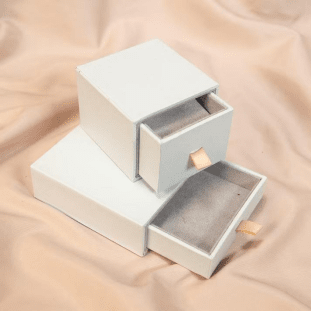
Rigid Board: The Gold Standard for Luxury and Protection
Cardboard (also known as hardboard) is the first choice for luxury jewelry packaging, and there are good reasons for this. It is thick and sturdy, providing special protection during transportation and handling to prevent damage, which is crucial for delicate items such as necklaces, earrings, and rings. A rigid box gives a sense of premium and substance, immediately enhancing the perceived value of your jewelry. A study by McKinsey & Company indicates that high-quality packaging can increase repeat purchases by 30%, which is a wise investment for both luxury brands and premium brands.
Pros: Exceptionally durable, reusable, customizable with finishes like foil stamping, embossing, or soft-touch lamination, and available in a wide range of colors. It can also be lined with velvet, satin, or felt for added luxury and protection.
Cons: Slightly more expensive than other materials, and bulkier for shipping, which may increase logistics costs.
Best for: Fine jewelry, engagement rings, luxury collections, and brands prioritizing a high-end unboxing experience.
-
Kraft Paper: Sustainable, Versatile, and Trendy
In recent years, kraft paper has become increasingly popular due to its environmentally friendly features and simple, plain aesthetic style. It is made from recyclable or unbleached wood pulp, fully recyclable and biodegradable, meeting the growing demand for sustainable packaging - the European Packaging Association reports that the proportion of independent retailers adopting sustainable packaging is increasing by 40% annually. Kraft paper is highly versatile, allowing for custom printing, embossing, or adding brand personality to labels without compromising its natural appearance.
Pros: Affordable, lightweight, eco-friendly, and customizable. It has a warm, organic feel that resonates with sustainable and handmade brands.
Cons: Less durable than rigid board, so it may not be ideal for high-value or extremely delicate pieces. It’s also more prone to wear and tear during shipping.
Best for: Fashion jewelry, handmade pieces, eco-conscious brands, startups, and brands with a minimalist or bohemian aesthetic.
-
Velvet and Satin: Luxury Textures for Delicate Protection
Velvet and satin are classic choices for jewelry packaging linings, but they can also be used as outer materials for pouches, bags, or box exteriors. These fabrics are soft, smooth, and gentle on delicate jewelry, preventing scratches and tarnishing. Velvet, in particular, has a luxurious, tactile feel that adds a sense of elegance—perfect for luxury brands or special occasion jewelry like wedding bands or anniversary gifts. Satin, meanwhile, offers a sleek, shiny finish that works well for contemporary or feminine brands.
Pros: Soft and protective for delicate pieces, luxurious aesthetic, available in a wide range of colors (including custom dyed to match brand pantones), and photograph well for social media unboxing content.
Cons: Velvet can attract dust and may be difficult to clean; satin is prone to wrinkling. Both are more expensive than paper materials.
Best for: Fine jewelry, delicate pieces, luxury brands, and gift-ready packaging. Many brands pair velvet or satin pouches with rigid boxes for added protection and style.
Practical Considerations: Protection, Functionality, and Logistics
While aesthetics and brand alignment are critical, your packaging materials must also meet practical needs. Jewelry is small, delicate, and often high-value—so protection should be a top priority. Consider the type of jewelry you sell: delicate chains require anti-tangle inserts, while gemstones need soft, non-abrasive linings to prevent scratches. For e-commerce brands, materials must withstand long-distance shipping; rigid board or reinforced kraft paper with foam inserts are ideal for this, as they minimize damage from bumps and handling.
Another practical consideration is customization flexibility. Your chosen material should allow for branding elements like logos, taglines, or custom colors. For example, kraft paper can be printed with soy-based inks (aligning with sustainability goals), while rigid board can be embossed or foil-stamped for a luxury finish. Avoid materials that limit your ability to customize, as consistent branding across packaging is key to building recognition.
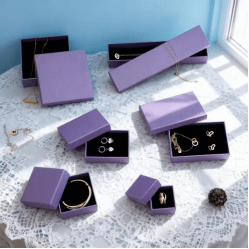
Final Tips for Choosing the Right Materials
- Test Before You Commit: Order samples of your chosen materials to test their durability, feel, and customization options. This will help you avoid costly mistakes and ensure the material aligns with your brand’s vision. For example, if you’re considering velvet, test how it holds up to shipping and whether it matches your brand’s color palette.
- Prioritize Customer Experience: Put yourself in your customer’s shoes—what would make the unboxing experience memorable? A luxury brand might prioritize a rigid box with a magnetic closure and velvet lining, while a sustainable brandmight opt for a recyclable kraft box with a handwritten note. The goal is to create an emotional connection through packaging.
- Balance Cost and Quality: While premium materials can elevate your brand, they may not be feasible for startups or budget-conscious brands. Consider a hybrid approach—for example, using a Kraft paper outer box with a velvet inner lining to balance affordability and luxury. Remember, the goal is to choose materials that reflect your brand’s value without overspending.
Conclusion
Selecting custom jewelry packaging materials is a strategic choice that impacts brand perception and loyalty. YuCai will align with your brand identity, prioritize practicality and trends, and you’ll create packaging that protects your jewelry, tells your brand story, and stands out in the competitive market.
FAQ
1. Question: Why is packaging very important in jewelry retail?
Answer: It influences how customers see your brand and helps protect the jewelry.
2. Question: What material is widely seen as the best for luxury jewelry boxes?
Answer: Rigid board is the top choice for high-end jewelry packaging.
3. Question: What is one big disadvantage of using glass for jewelry packaging?
Answer: It is heavy and easy to break during shipping.
4. Question: Why has Kraft paper become popular in recent years?
Answer: It is eco-friendly and has a simple, natural style.
5. Question: What two main packaging trends are talked about for 2026?
Answer: Sustainable luxury and good sensory unboxing experiences.
6. Question: What should brands do first when choosing packaging materials?
Answer: They should think carefully about their own brand identity first.
Post time: Apr-24-2026