
Selecting a suitable corrugated flute type determines your box protection level, printing effect, and shipping cost. This guide breaks down core selection rules to help you match flutes to your packaging scenarios accurately.
Why Corrugated Flute Type Selection Matters For Packaging Performance
Corrugated flute refers to the wavy inner layer of corrugated boxes, which defines core packaging features like cushioning capacity, compression resistance, board thickness, and print compatibility. Many packaging failures, including product transit damage and blurry surface printing, stem from mismatched flute types instead of poor box quality.
You need to prioritize scenario-based flute matching to balance packaging durability, aesthetic effect, and budget control. Different flute sizes and structures deliver distinct functional advantages for shipping, retail display, and lightweight packaging.
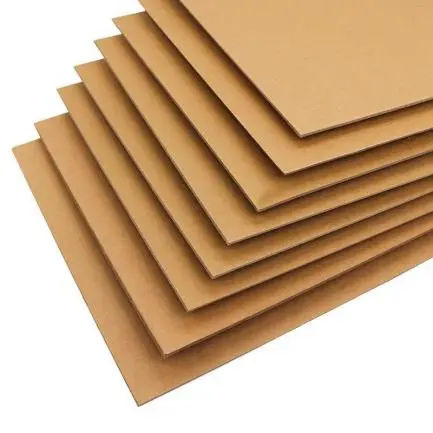
Basic Classification And Core Features Of Common Corrugated Flutes
All mainstream corrugated flutes have fixed structural parameters, including flute height, flute density, and board hardness. Mastering these basic traits is the premise of scientific selection. Below are the most widely used flute types in global packaging industries.
A-Flute: Maximum Cushioning For Fragile And Heavy Goods
A-Flute features the largest flute height and the lowest flute density among conventional types. Its loose wave structure provides excellent shock absorption and impact resistance, making it the top choice for heavy-duty protective packaging. The only downside is its uneven surface, which cannot support high-precision printing.
You can use A-Flute corrugated boxes for large fragile products, home appliances, and furniture shipping that require strong anti-collision performance during long-distance transit.
B-Flute: High Hardness And Print-Friendly For Daily Shipping
B-Flute has a shorter flute height and higher density than A-Flute, with outstanding crush resistance and flat surface texture. This flute type balances structural stability and printing compatibility, supporting clear pattern and text printing for packaging surfaces.
It is ideal for small commodity packaging, outer shipping boxes, and retail display boxes. Its rigid structure effectively prevents box deformation during stacking and short-distance transportation.
C-Flute: Versatile All-Rounder For General Packaging Scenarios
C-Flute is the most popular corrugated flute type worldwide, combining the cushioning of A-Flute and the hardness of B-Flute. It delivers balanced compression resistance and shockproof performance with moderate board thickness.
If you need universal packaging for most daily goods, electronic accessories, and medium-weight products, C-Flute is your cost-effective and reliable option with no obvious performance flaws in conventional scenarios.
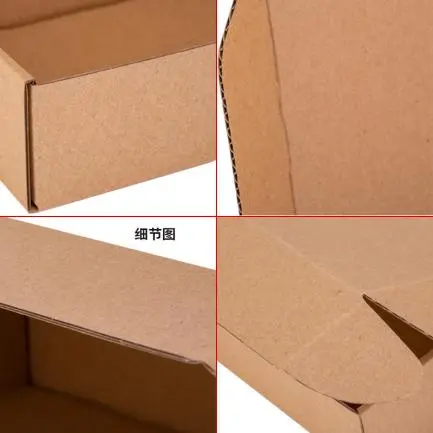
E-Flute & F-Flute: Ultra-Thin Lightweight For Premium Retail Packaging
E-Flute and F-Flute belong to micro-flute types with ultra-thin thickness and ultra-high flute density. Their smooth and flat surface supports high-definition printing and precise die-cutting, perfectly fitting premium retail packaging needs.
You can apply these two flutes to cosmetic boxes, gift packaging, and small electronic product boxes. Their lightweight property also helps you reduce overall shipping volume and logistics costs.
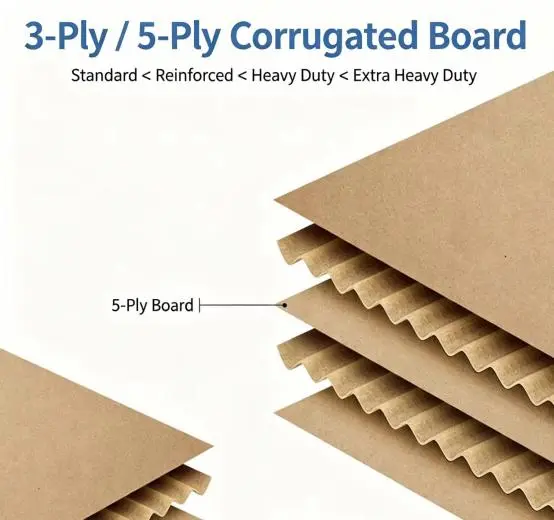
Key Practical Factors To Select Corrugated Flute Types
Simply understanding flute features is not enough. You need to match flutes with your actual packaging demands from multiple practical dimensions to avoid performance waste or insufficient protection.
- Product Weight And Fragility Level
Heavy and fragile products require high-cushion A-Flute to resist external impact. Medium-weight ordinary products adapt to versatile C-Flute. Light and non-fragile retail products can choose thin E/F-Flute to save packaging space.
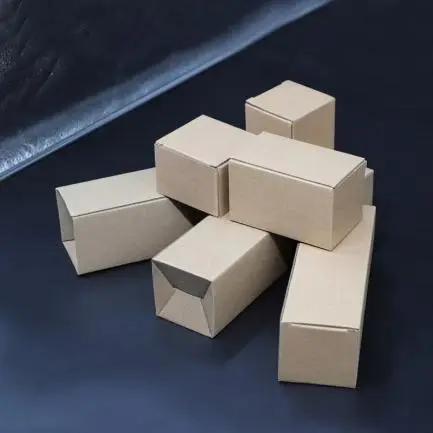
- Printing And Surface Aesthetic Requirements
If your packaging needs brand logos, detailed patterns, or color printing, avoid A-Flute with rough surfaces. Prioritize B-Flute, E-Flute, or F-Flute with flat boards to ensure clear and delicate printing results.
- Transit And Stacking Environment
Long-distance logistics, multi-handling, and high stacking scenarios need high-compression C-Flute or A-Flute. Short-distance delivery and shelf display scenarios can adopt lightweight micro-flutes to improve packaging texture.
- Logistics Cost And Packaging Budget
Thicker flutes mean higher material costs and larger packaging volume. For mass conventional packaging, C-Flute controls costs well; for high-end customized packaging, micro-flutes improve product added value despite slightly higher costs.
Common Flute Selection Mistakes To Avoid
Most packaging problems come from blind flute matching. These common mistakes can help you avoid unnecessary packaging losses and cost waste.
First, do not blindly pursue thick flutes. Excessive cushioning performance causes material waste and increased logistics volume. Second, do not use rough A-Flute for printed packaging, which leads to blurred brand patterns. Third, do not apply thin micro-flutes for heavy goods shipping, which easily causes box rupture and product damage.
Final Thought
Reasonable corrugated flute selection balances protection, aesthetics, and cost for your packaging. Yucai’s professional packaging team analyzes your product traits and logistics scenarios to recommend matched flute types, providing targeted and reliable packaging solutions for your business.
FAQ
Q1: Which corrugated flute suits e-commerce shipping cartons most?
A: C-flute ranks first for mainstream online deliveries, striking a nice balance between protective performance and budget control. Choose A-flute to ship breakable goods, while E-flute fits slim retail postal boxes.
Q2: What practical gaps exist between B-flute and C-flute corrugated boards?
A: B-flute owns stronger surface rigidity and clearer printing effect, suited for compact display packaging. C-flute boasts stronger shock absorption and anti-pressure ability, ideal for regular outer shipping cartons of medium weight.
Q3: Are micro-flute cartons qualified substitutes for standard common cardboard boxes?
A: Yes. E-flute and F-flute micro-corrugated packages outperform conventional cartons in sturdiness, weight control and printing effect, widely applied to customized premium packaging.
Q4: What flute specification guarantees optimal load-bearing stacking in warehouses?
A: C-flute provides reliable compression strength for long-term warehousing stacking. B-flute is fit for goods stacked in low piles with small order quantities.
Q5: In what ways do different flute styles change logistics, bulk and transportation costs?
A: A thick A-flute takes up more space, lifting logistics spending. Slim E and F micro-flutes shrink box thickness, allowing more cargo to fit in transport containers and lowering bulk delivery fees greatly.
Post time: Jul-29-2026