
Shipping boxes come in many sizes. Picking the right one saves you money, keeps your products safe, and makes your customers happy. This guide covers the basics and helps you choose the best option.
Why Box Size Matters for Your Business
How choosing the right box saves money, protects products, and builds your brand.
Shipping boxes are the backbone of e-commerce and retail logistics. Whether you're sending a single item to a customer or shipping products to stores, the box you choose plays a big role in getting your items there safely. But not all boxes are the same—they come in different sizes, shapes, and strengths. Some are meant for shipping, others for display on store shelves. The key is knowing which one works best for your product and your budget.
The size of your box affects more than just fitting your product inside. Shipping companies like UPS, FedEx, and USPS charge based on both weight and size. If you use a box that's too big, you pay more—even if your product is light. If you use a box that's too small, you won't have room for padding, and your items might get damaged.
A good box—whether a simple corrugated carton box for shipping or a custom design for premium retail—does three things: protects your product, keeps your shipping costs down, and makes a good impression when your customer opens it. Get it right and you save money, reduce returns, and build a stronger brand. Get it wrong and you end up paying more, dealing with damaged items, and disappointing your customers. So it's worth spending a little time getting it right.
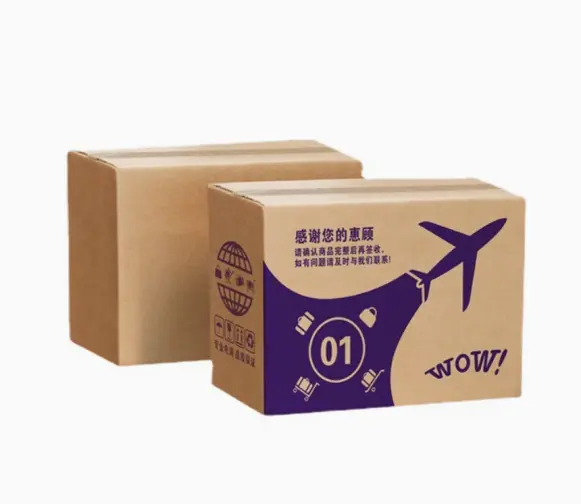
Standard Shipping Box Sizes and Their Applications
A quick guide to common box dimensions and what fits best in each.
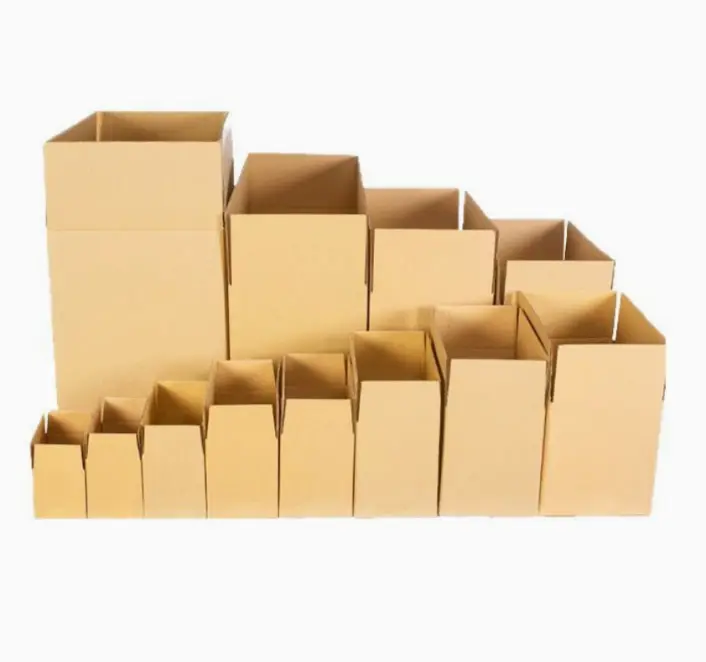
- Small boxes– Common sizes: 6x6x6 inches, 8x6x4 inches, 10x8x6 inches. These are great for small, lightweight items like cosmetics, skincare products, jewelry, phone cases, small toys, candles, soaps, and accessories. They're also perfect for shipping single items that don't need a lot of padding.
- Medium boxes– Common sizes: 12x12x12 inches, 14x10x8 inches, 16x12x8 inches. These are the workhorses of shipping. They fit clothes, shoes, books, small kitchen gadgets, electronics like headphones and smartwatches, and most retail products. If you sell a little bit of everything, medium boxes will probably be your most-used size.
- Large boxes– Common sizes: 18x14x12 inches, 20x16x12 inches, 24x18x18 inches. These hold bigger or bulkier items like small furniture pieces, lamps, large toys, multiple items in one order, or larger electronics. They're also good for subscription boxes or gift sets that include several products.
- Extra large boxes– Common sizes: 26x20x20 inches, 30x24x20 inches. These are reserved for oversized items like large appliances, furniture parts, big sports equipment, or multiple heavy items. These boxes are more expensive to ship, so only use them when you really need to.
- What about odd-shaped items?If your product is long, flat, or irregularly shaped, you might need a special size that doesn't fit these standard categories. That's when custom boxes come in handy, which can make boxes in almost any size you need, so your products always have a perfect fit.
How to Pick the Right Box
Simple steps to choose the perfect size for your shipments.
-Measure your product carefully.
Write down the length, width, and height. Don't forget about any odd shapes or protruding parts—measure the widest points to ensure the box will fully enclose your item. Taking accurate measurements from the start saves you from ordering boxes that don't fit and having to start over. A small measurement error can lead to a box that's either too tight or wastes space, both of which cost you money.
-Leave room for padding.
Your box should be at least 2 to 3 inches bigger than your product on each side. This gives you space for bubble wrap, foam, or other cushioning. Without enough room for padding, your items can shift during transit and get damaged, leading to returns and unhappy customers. The right amount of padding also helps protect against vibration and impact during sorting and handling.
-Consider the weight.
Heavier items need stronger boxes and more robust padding. For products over 10 pounds, consider double-wall boxes with a higher ECT (Edge Crush Testing). Also think about weight distribution—uneven weight can cause the box to tip or tear during handling, so position your product in the center whenever possible. Keep in mind that heavier packages also cost more to ship, so finding the lightest box that still offers adequate protection can save you money.
-Test the fit before ordering.
Try a few box options before placing a large bulk order. A slightly smaller box might still fit with adequate padding and save you money on shipping. Testing also helps you see how easy the box is to pack—if it takes too long, that adds labor costs that eat into your margins. It's much cheaper to test a few boxes upfront than to commit to thousands of boxes that aren't quite right.
-Check carrier limits.
Each shipping company has maximum size rules. USPS, for example, says length plus girth can't exceed 108 inches for most services. If your box is bigger, you might face oversized fees or need to ship via freight, so always check your carrier's guidelines to avoid unexpected charges. Oversized packages are not only more expensive but may also take longer to deliver, which can hurt your customer satisfaction.
Common Mistakes to Avoid
Watch out for these pitfalls when choosing shipping boxes.
-Using a box that's too big. You'll pay extra for dimensional weight, and your items can slide around and get damaged.
-Using a box that's too small. No room for padding means no protection. The box might also burst open under pressure.
-Ignoring box strength. Thin boxes crush easily, especially when stacked under heavier packages. Check the ECT (Edge Crush Test) rating. A 32 ECT box is good for most shipping and stacking. A 48 ECT box is stronger and better for heavy or fragile items.
-Reusing damaged boxes. Old boxes with creases or tears have lost their strength. They won't protect your items well.
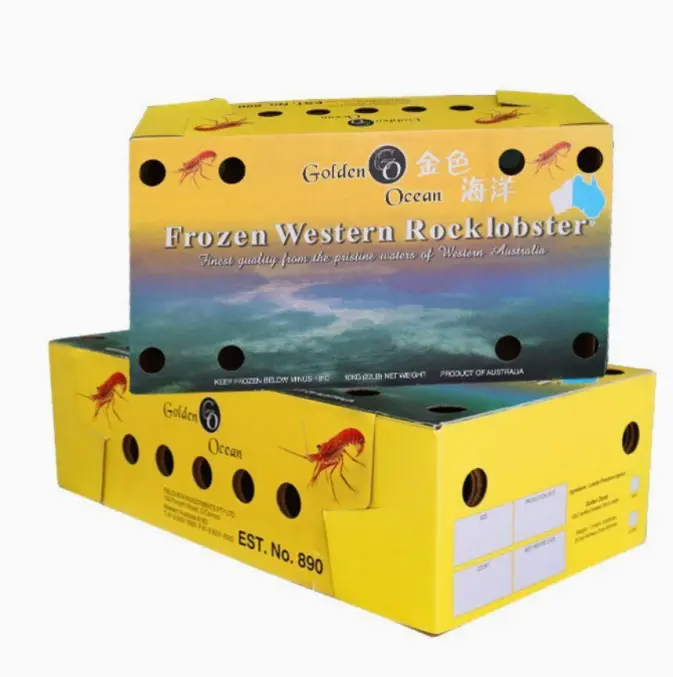
-Using a retail box as a shipping box. A retailer box is designed to look good on shelves, not to survive transit. Always pack it inside a corrugated outer box for protection.
Final Thoughts
Picking the right shipping box is simple—measure your product, add room for padding, and choose a box strong enough for the trip. Yucai offers a range of corrugated carton boxes in standard and custom sizes to fit your shipping needs.
FAQ
1) What's the cheapest box size to ship?
Smaller, lighter boxes cost less. The cheapest size depends on your product, but keeping the box as small as possible saves money.
2) How long do corrugated boxes last in storage?
If kept in a dry, cool place, they can last for years. But humidity and heat can weaken them over time, so proper storage matters.
3) Can I print my logo directly on shipping boxes?
Yes. Many businesses print their logo on corrugated boxes for branding. It adds a professional touch and turns your shipping box into a marketing tool.
4) Should I round up or down when measuring my product?
Always round up to the nearest inch. It's safer to have a slightly bigger box than one that's too tight.
Post time: Jul-25-2026