
GSM, or square meters per gram, is the unit used to measure the thickness of paper. In this article, we will introduce to you how to understand this measurement standard and take it as an advantage of your brand!
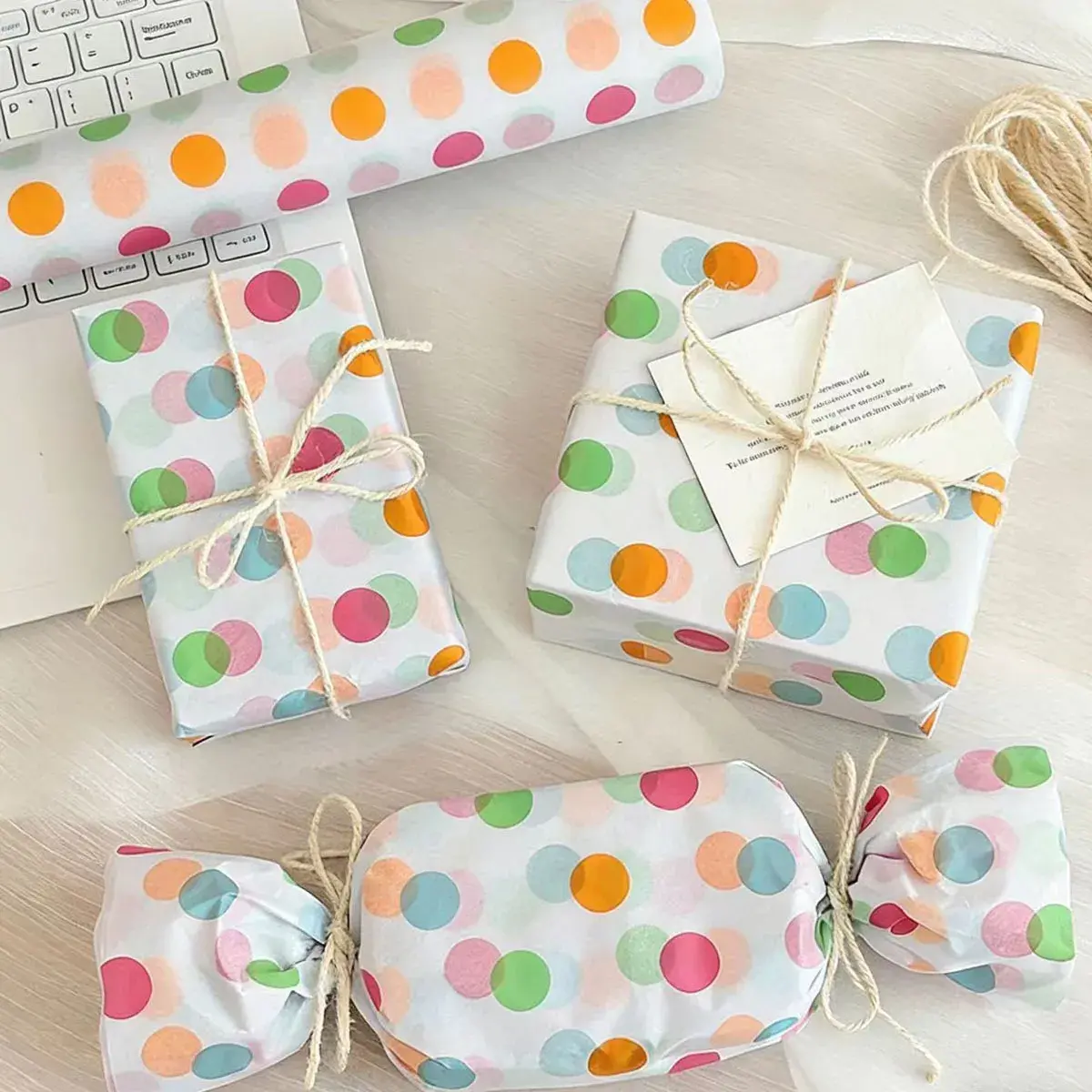
Undoubtedly, we have a good understanding of paper—after all, our first packaging product was custom-cut thin paper! We've invested significant time refining our processes to create the most cost-effective and high-quality printed products for businesses. We receive numerous inquiries regarding paper weight, especially from customers seeking customized printing solutions. In this guide, we'll explain what GSM means and how it relates to our custom thin papers. We also offer some practical design tips to help you determine whether the paper thickness and material weight are well-suited for your needs.
What Is GSM?
This term means "grams per square meter." The GSM unit measures the thickness and weight of sheet of paper. The GSM value is obtained by measuring a sheet in length and width.
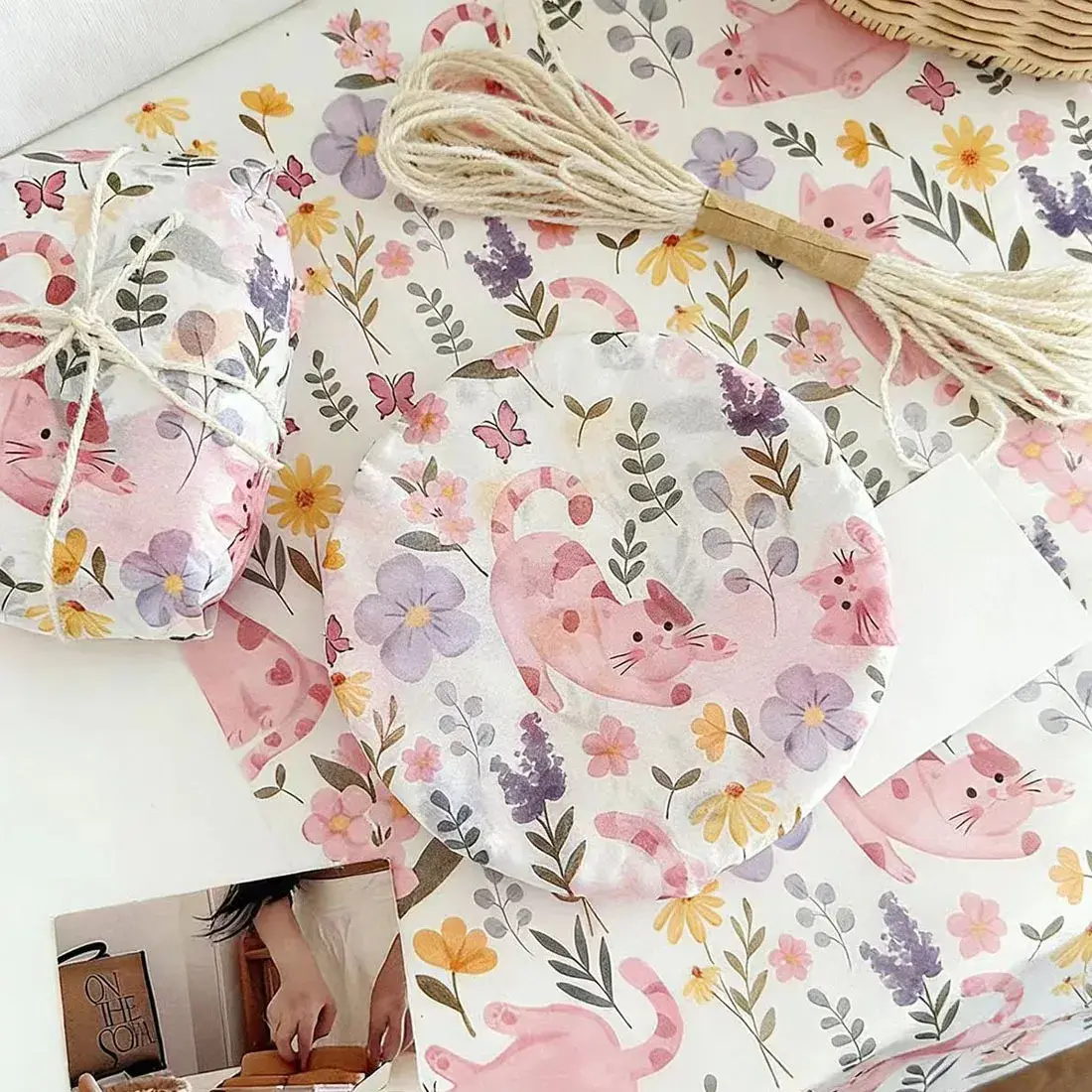
What Is Paper GSM?
GSM is used to measure paper thickness. This measurement method is very important in the printing industry, particularly for determining the type of paper used according to different projects. Although GSM is the most commonly used unit worldwide for measuring paper thickness, in the United States, terms such as "point" or "mil" are sometimes used, where a thousandth of an inch (0.254 mm) is employed as the unit of measurement.
This weight chart covers a wide range of paper types, from lightweight, thin toilet paper (for example, 17 grams per square meter for custom toilet paper) to thicker cardboard papers (such as 350 grams per square meter for a non-glazed custom card). In summary, the higher the GSM value, the thicker the paper. However, a high GSM value does not always equate to better quality. Understanding the thickness and weight of the paper helps you achieve an optimal balance between durability, functionality, and aesthetics.
If you don't understand the differences related to GSM values, you risk choosing paper that doesn't suit your needs. Such a mistake could prove costly for any business!
So, how do I measure the weight and thickness of paper? Check out the guide below.
Paper Thickness GSM Guide
The weight conversion chart for paper below will help you better understand the common uses of different types of paper according to their weight.
Paper 35 to 55 mm: the thinnest type of paper, primarily used for manufacturing newspapers.
Paper 90 to 120 grams: the average weight of display paper sheets and non-novel book pages.
Paper 130 to 250 grams: this weight is most commonly used for brochures and promotional posters.
Paper 260 to 300 grams: thicker but still flexible, ideal for producing high-end brochures or magazines.
Paper 350 to 450 grams per square meter: this paper is the thickest and strongest, capable of easily bearing its own weight. It is typically used for business cards, greeting cards, postcards, and invitations.
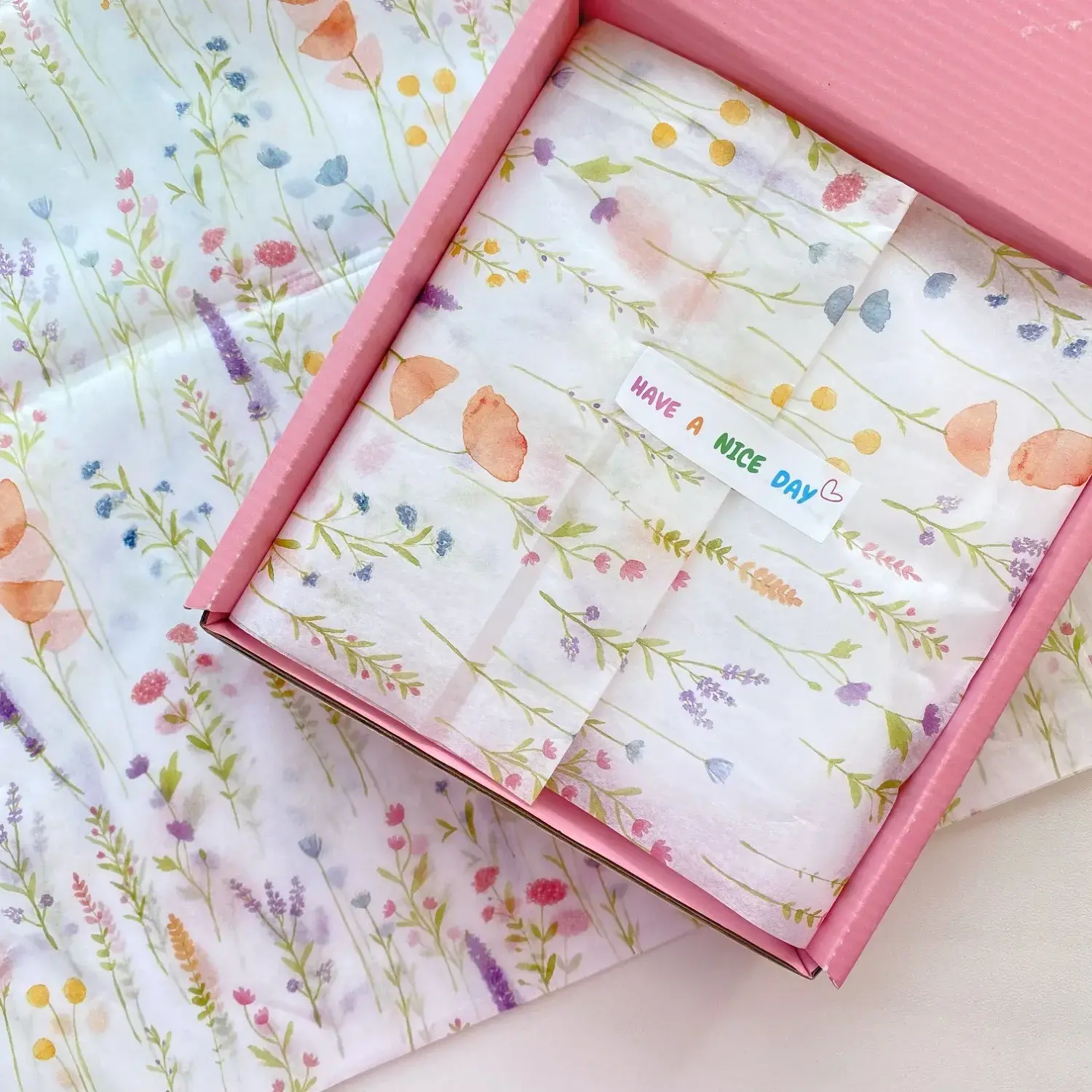
How we use GSM in our Custom Packaging
Our custom-printed scarves are available in two weights: 17 grams per square meter and 28 grams per square meter. All our scarves are made from acid-free paper sourced from sustainable forests certified by the Forest Stewardship Council (FSC). This ensures our customers high-quality, environmentally friendly customized packaging.
17GSM VS 28GSM Tissue paper-Which Thickness is better for your needs?
Our custom paper options feature slight differences in surface finish. The 17-gram paper is the lightest and thinnest, offering a particularly attractive translucent appearance. The 28-gram paper, on the other hand, is slightly thicker, with a more traditional look and texture typical of packaging papers.
The minimum purchase quantity for our custom wipes is the same for both types of paper, starting from 250 sheets. Therefore, the answer to this question actually depends on the appearance and texture you wish to give to your brand.
Since our 17 GSM paper is very thin, it allows customers to preview the final result in advance, helping you create original effects.
With a solid-color design on the 17-gram paper, your personalized towels stand out with a simple yet striking appearance.
If you're considering a richer color palette in your custom towel design, the 28-gram paper weight will fully enhance these chromatic effects. Therefore, for customers seeking bicolored or multicolored designs, we generally recommend choosing the thicker 28-gram paper, as this weight better suits their design needs.
The Yucai’s intricate custom tissue paper design is far more striking in the heavier thickness option.
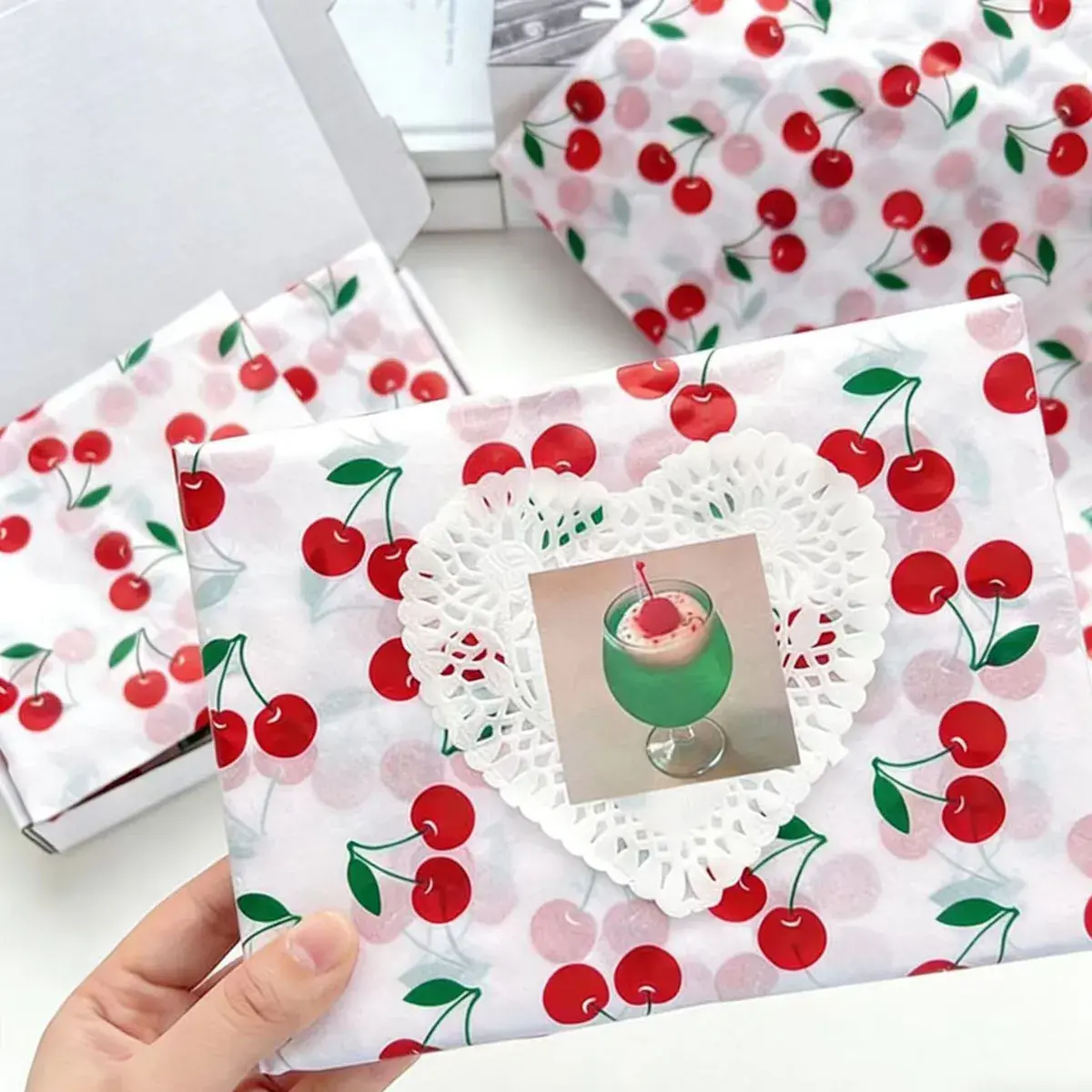
Wrapping it Up
Choosing the right GSM paper thickness for your custom printed materials means considering both the functionality of your packaging design and the impression you want to leave on your customers.
Now that you understand paper thickness and weight, you're one step closer to selecting the ideal custom packaging solution for your business. Even better, you can apply this knowledge to any other printing needs!
Ready to start using custom printed packaging? Check out Yucai's custom tissues!
FAQ:
1. Is the sample cost high?
A:Sample cost is slightly higher than unit price in bulk, but can usually be offset against the formal order. Blank samples without printing are more cost-effective.
2.How are tissue paper with packaged for delivery?
A:They are generally packed in flat or semi-assembled status, protected by corrugated master cartons, with foam, pearl cotton or paper inserts available for extra protection.
3.How long is the production lead time?
A:Small and standard orders take about 7–9 working days; large orders or those with complex craft processes take 10–12 working days. Urgent production can be arranged upon request.
4.Can you customize the size?
A: Yes, we support full size customization to fit your needs.
5. Are the material eco-friendly and recyclable?
A: Yes, eco-friendly materials are used
6.Can you add my brand logo and help with design?
A: Yes, we offer custom design, with design proofs for confirmation.
Post time: Jun-11-2026