
With countless packaging options available, two solutions stand out as the most widely used and versatile: kraft boxes and corrugated boxes. While both are eco‑friendly, cost‑effective, and highly customizable, they are engineered to serve very different business needs and cater to distinct product types.
What Are Kraft Boxes and Corrugated Boxes?
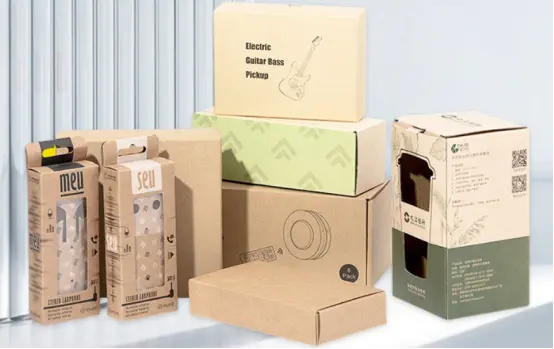
Kraft box made from natural wood pulp (either virgin or recycled), kraft packaging boasts a tight, compact structure that offers reliable tear resistance and structural integrity without adding unnecessary bulk. Many brands opt for kraft boxes for their natural, unbleached brown appearance, which aligns perfectly with eco-friendly and artisanal branding, though they can also be bleached to create white or colored variants.
On the other hand, corrugated boxes are specifically designed for maximum protection, featuring a multi-layer structure consisting of flat outer and inner liner sheets with a ruffled, wave-shaped “fluted” layer sandwiched in between. This fluted core acts as a built-in shock absorber, delivering superior cushioning, compression resistance, and impact protection. Like kraft boxes, corrugated packaging is fully recyclable and sustainable, but its primary purpose is to shield products during long-distance transportation, rough handling, and warehouse storage.
Key Differences Between Kraft Boxes and Corrugated Boxes
To make an informed decision for your business, it’s crucial to compare the two packaging types across the critical categories that directly impact your operations, product safety, and brand image.
-
Strength & Thickness
Kraft boxes are impressively strong for their weight, with good tear resistance and structural integrity that suffices for light to medium-weight products. They are designed to withstand the rigors of retail display and light shipping but are not engineered to handle heavy loads, severe impact, or prolonged stacking. Their thickness typically ranges from thin to medium, keeping them lightweight and cost-effective for small-item packaging. Corrugated boxes, by contrast, are significantly thicker due to their multi-layer construction. The fluted core adds depth and rigidity, making them engineered for high compression strength and shock absorption. They can easily withstand drops, crushes, and vibration during transit, making them the industry standard for shipping and heavy-duty applications. Their thickness varies based on flute size, with larger flutes offering greater protection for bulky or fragile items.
-
Customization & Flexibility
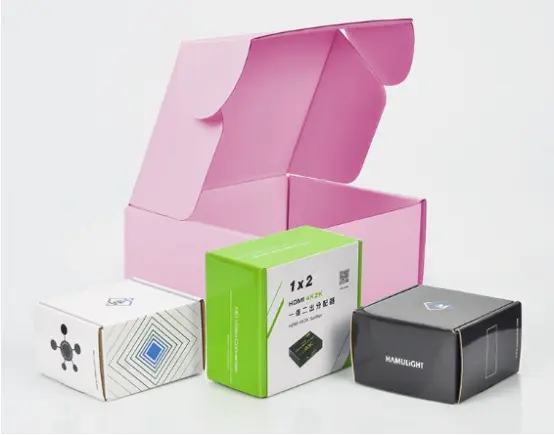
Kraft boxes are highly flexible and malleable, making them ideal for creating elegant, compact, and visually appealing packaging for retail and gift purposes. They can be easily folded, shaped, and finished with delicate details like embossing, debossing, matte or glossy coatings, and custom cutouts—all of which enhance their aesthetic appeal and help brands stand out on store shelves. This flexibility also makes them suitable for small-batch production, perfect for boutique brands or businesses with unique packaging needs. Corrugated boxes can also be customized in terms of size, shape, and design, but their rigid, multi-layer structure limits their flexibility. They are better suited for functional, utilitarian shipping boxes rather than slim, decorative retail packages. That said, corrugated boxes can still be branded with logos and graphics, making them a viable option for businesses looking to maintain brand consistency during shipping.
-
Surface printing capability
The surface texture of kraft paper is naturally porous, which can affect printing results. To achieve sharp, vibrant graphics on kraft boxes, businesses may need to bleach the surface or use special inks that adhere better to the porous material. However, this porous texture also delivers a unique, natural, and premium aesthetic that many brands find appealing—especially those focusing on eco-friendly or artisanal messaging. Corrugated boxes, on the other hand, have smooth, consistent liner sheets that are highly compatible with both digital and offset printing. This allows for bold, high-quality graphics, large logos, and high-visibility labeling, making them ideal for businesses that want their shipping boxes to serve as a marketing tool. The smooth surface ensures that colors are vibrant and text is legible, even on large packaging.
-
Durability & Protection
Kraft boxes offer reliable daily protection for items that are not fragile or heavy. They keep products clean, intact, and visually appealing during retail display and light shipping, making them suitable for items like apparel, accessories, and non-fragile food products. Their durability is focused on maintaining the product’s appearance rather than withstanding heavy impact. Corrugated boxes, by contrast, provide professional-grade protection that is unmatched by kraft packaging. The fluted layer acts as a buffer, absorbing shock and reducing the risk of damage during transit. This makes them essential for fragile items (like glass, ceramics, or electronics), bulky products, and items that require long-distance shipping. Corrugated boxes also offer excellent stacking strength, allowing them to be stored in warehouses without collapsing or damaging the products inside.
-
Eco-Friendliness
Both kraft and corrugated boxes are environmentally friendly options, as they are fully recyclable, biodegradable, and made from renewable resources. Kraft boxes often emphasize their pure, natural, zero-bleach appeal, making them a top choice for brands that want to highlight their commitment to sustainability. Many kraft boxes are made from 100% recycled content, further reducing their environmental impact. Corrugated boxes also use recycled paper in their construction, and their multi-layer design allows for efficient recycling and repurposing. Both materials support circular packaging goals, helping businesses reduce their carbon footprint and meet the growing consumer demand for sustainable packaging solutions.
Application Scenarios: Kraft Boxes vs Corrugated Boxes
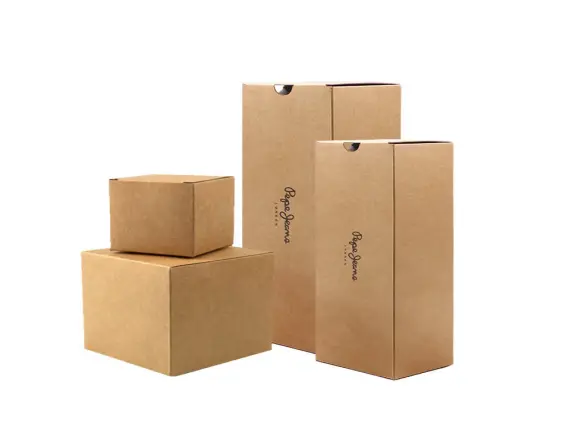
The most effective way to choose between kraft and corrugated boxes is to match the packaging to your actual business use case. Below is a clear, business-focused comparison of their ideal applications, helping you make the right choice for your products and customers.
Ideal Scenarios for Kraft Boxes
Kraft boxes shine in situations that demand appearance, lightness, and brand texture. They are best suited for businesses that prioritize retail appeal, customer experience, and eco-friendly branding. Key applications include:
- Retail and display packaging: Cosmetics, jewelry, candles, soap, skincare products, small文创 (cultural and creative products), and boutique gifts. Kraft boxes’ natural aesthetic enhances the perceived value of these products and helps them stand out on crowded store shelves.
- Food-grade packaging: Bakery goods, chocolates, coffee, snacks, tea, and other edible items. Their chemical-free construction ensures food safety, while their natural appearance aligns with organic and artisanal food brands.
- Gift and premium packaging: Holiday gifts, subscription boxes, luxury product samples, and personalized gifts. Kraft boxes can be easily customized with ribbons, stickers, or custom printing to create a memorable unboxing experience.
- Light e-commerce shipping: Accessories, apparel, stationery, crafts, small gadgets, and other low-risk items. They are lightweight, cost-effective, and visually appealing, making them perfect for direct-to-consumer shipping of small products.
- Eco-friendly branding: Natural, organic, handmade, or sustainable product lines. Kraft boxes’ unbleached, recycled appearance reinforces a brand’s commitment to sustainability, which is increasingly important to modern consumers.
Overall, kraft packaging enhances unboxing experiences, supports in-store shelf appeal, and aligns with brands that want to convey a natural, authentic image.
Ideal Scenarios for Corrugated Boxes
Corrugated boxes dominate in scenarios that demand durability, shipping safety, and bulk handling. They are essential for businesses that focus on logistics, heavy products, or fragile items. Key applications include:
- Long-distance and international shipping: Products that need to travel across the country or overseas require robust packaging to withstand the rigors of transit. Corrugated boxes’ shock-absorbing design reduces the risk of damage during shipping.
- Heavy, large, or bulky items: Electronics, home goods, toys, tools, appliances, and furniture. These products require packaging that can support their weight and protect them from scratches or dents.
- Fragile products: Glassware, ceramics, bottles, lighting fixtures, and precision instruments. The fluted core of corrugated boxes acts as a buffer, absorbing impact and preventing breakage.
- Wholesale, bulk, and warehouse storage: Businesses that sell in bulk or need to store products in warehouses benefit from corrugated boxes’ stacking strength, which allows for efficient storage without damage.
- Multi-layered packaging: Outer protective boxes for inner retail packages. Many brands use corrugated boxes as the outer shipping layer to protect their decorative kraft or retail packaging during transit.
Corrugated boxes reduce product damage rates, lower return costs, and build trust with customers by ensuring reliable delivery.
Which Box Is Best for Your Business?
To simplify your decision, here’s a quick guide to choosing between kraft and corrugated boxes based on your business needs:
Choose kraft boxes if you need:
- Lightweight, attractive retail or gift packaging that enhances brand appeal
- Food-safe, chemical-free packaging for edible products
- A natural, eco-friendly brand aesthetic that resonates with sustainable consumers
- Small-item e-commerce shipping with strong visual appeal and a memorable unboxing experience
Choose corrugated boxes if you need:
- Heavy-duty protection for shipping, especially for long distances or rough handling
- Packaging for large, heavy, or fragile products that require maximum protection
- High stacking strength for warehouse storage and wholesale operations
- Bold, highly visible branding on shipping boxes to maintain brand consistency during transit
Conclusion
Kraft and corrugated boxes both bring unique value to modern businesses, and the right choice depends entirely on your specific needs, product type, and customer journey.
By matching your packaging to your business goals—whether that’s enhancing retail appeal or ensuring safe shipping—you can lower costs, reduce waste, strengthen your brand image, and create a more professional, sustainable operation. Whether you prioritize display or delivery, kraft and corrugated boxes each offer a reliable, eco-friendly path forward, helping you meet the demands of today’s competitive market,Yucai will keep your customers satisfied.
FAQs
Q: What's the minimum order quantity for custom boxes?
A: We offer flexible MOQs, starting from 100 pieces for small businesses, with bulk discounts for larger orders.
Q: Can these boxes be made water-resistant for long-haul shipping?
A: Yes, we offer laminated or coated options for both kraft and corrugated boxes to add extra moisture protection.
Q: Can I get samples before placing a bulk order?
A: Yes, we provide free physical samples (with shipping cost covered by you) to test size, material, and print quality.
Q: Do you offer international shipping for bulk orders?
A: Yes, we provide fast international delivery with double clearance, tax-included pricing, and door-to-door service.
Post time: Apr-07-2026