
Are you looking at the booming e-commerce market and wondering how to get a piece of the action? Every single product shipped needs a box. This simple fact makes the packaging industry incredibly stable and full of potential. If you are planning to start a new venture, looking into a corrugated box manufacturing business is a smart move. In this comprehensive guide, we will break down everything you need to know about cardboard boxes production. From finding the right raw material to choosing between semi-automatic or fully automatic setups, we cover it all. Read on to discover the step-by-step guide that will help you build a highly successful and scalable boxes manufacturing unit.
Why Is the Demand for Corrugated Boxes Manufacturing Growing Rapidly?
The surge in online shopping has completely changed how products move around the world. Because of this, the demand for corrugated boxes has hit record highs. E-commerce sellers need durable, lightweight, and eco-friendly packaging to protect goods during transit. When you look at the packaging industry today, corrugated boxes manufacturing stands out as a top performer. Retailers, food delivery services, and major buyers alike rely heavily on these sturdy containers.
Another big reason for this growth is the shift toward sustainable options. Today, more people care about the planet. They want packaging that is easy to recycle. Corrugated cardboard fits this need perfectly because it is made mostly from recycled paper. This eco-conscious shift has pushed many brands to abandon plastic in favor of paper-based packaging.
Because of these trends, the manufacturing industry around packaging has expanded greatly. Whether you look at global shipping or local e-commerce, businesses need a reliable supply of boxes. This consistent need guarantees that anyone who decides to start corrugated box production will enter a marketplace full of eager customers.
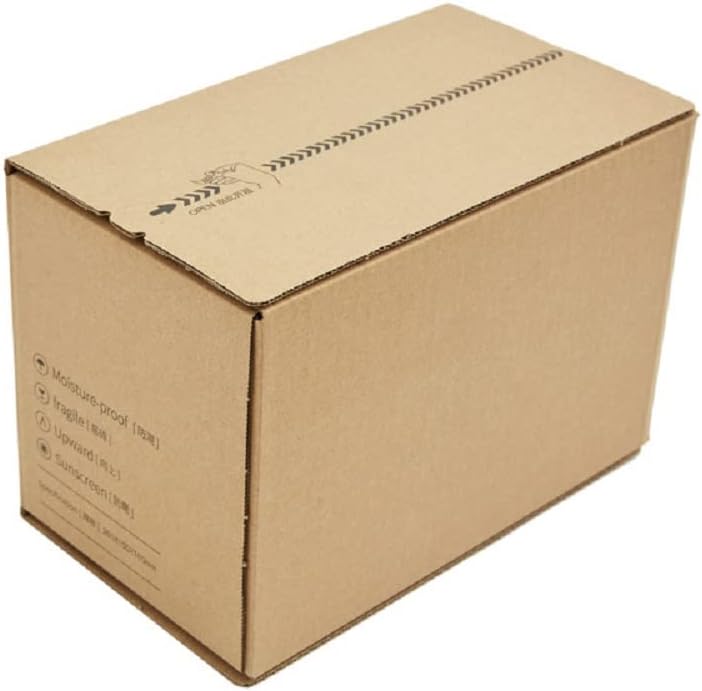
What Does a Solid Business Plan for a Corrugated Box Manufacturing Business Look Like?
Before you buy a single machine, you need a clear business plan. A solid plan outlines your target market, your production goals, and your financial strategy. If you want to start a corrugated box manufacturing project, you must figure out the capital to start. You have to calculate the costs for land, machinery, and daily operations. Your plan should also cover how much working capital you need to pay staff and buy supplies during the first few months.
Your business plan should define your ideal customer. Are you targeting small businesses that need a low minimum order quantity (MOQ)? Or do you want to supply huge FMCG companies that order millions of boxes? Knowing your audience helps you decide what kind of boxes manufacturing equipment you need.
A startup in the packaging business also requires a marketing plan. You must plan how to reach out to B2B clients. Whether you intend to supply custom carton boxes to clothing brands or heavy-duty cartons to electronics makers, a focused business plan keeps you on track. It serves as your map to navigate the highly competitive corrugated box business.
Should You Choose a Semi-Automatic or Fully Automatic Machinery Setup?
Choosing your equipment is one of the most critical decisions you will make. When you set up a corrugated box plant, you generally choose between a semi-automatic or fully automatic layout. A semi-automatic plant requires more manual labor. Workers must move the cardboard from one machine to another. This setup is much cheaper to buy and maintain, making it ideal for a startup with a smaller budget.
On the other hand, a fully automatic line connects all the box making machines together. The paper goes in one end, and the finished box comes out the other. A high-speed automatic corrugated box line offers amazing efficiency and product quality. You will need fewer machine operators, but the initial cost is very high. It is best for serving huge orders with strict deadlines.
Many new businesses start with a semi-automatic setup. As they grow and gain more clients, they upgrade their manufacturing machine line. Choosing the right machinery impacts your profit margins directly. You must talk to a reputable machine manufacturer to understand which option suits your current budget and future growth goals.
What Are the Essential Raw Materials Needed to Corrugate and Make Boxes?
To manufacture high-quality boxes, you need top-notch supplies. The most important raw material is kraft paper. Kraft paper is strong, tear-resistant, and perfect for creating the fluted layers that give boxes their strength. The quality of your kraft paper directly impacts the durability of your final product.
Next, you need adhesive to glue the paper layers together. Most factories use starch-based glues because they are strong and environmentally safe. You will also need stitching wire to hold the box joints together securely, though some boxes use heavy-duty glue instead. Finally, if you plan to offer printing services, you will need high-quality ink. Printing logos and shipping details is a huge part of modern packaging.
Managing raw material costs is crucial for survival. You must find reliable raw material suppliers to ensure a steady flow of goods. If your supplier is late, your whole boxes manufacturing unit stops. Building strong relationships with paper mills and ink vendors guarantees a reliable supply, helping you meet your clients' tight deadlines.
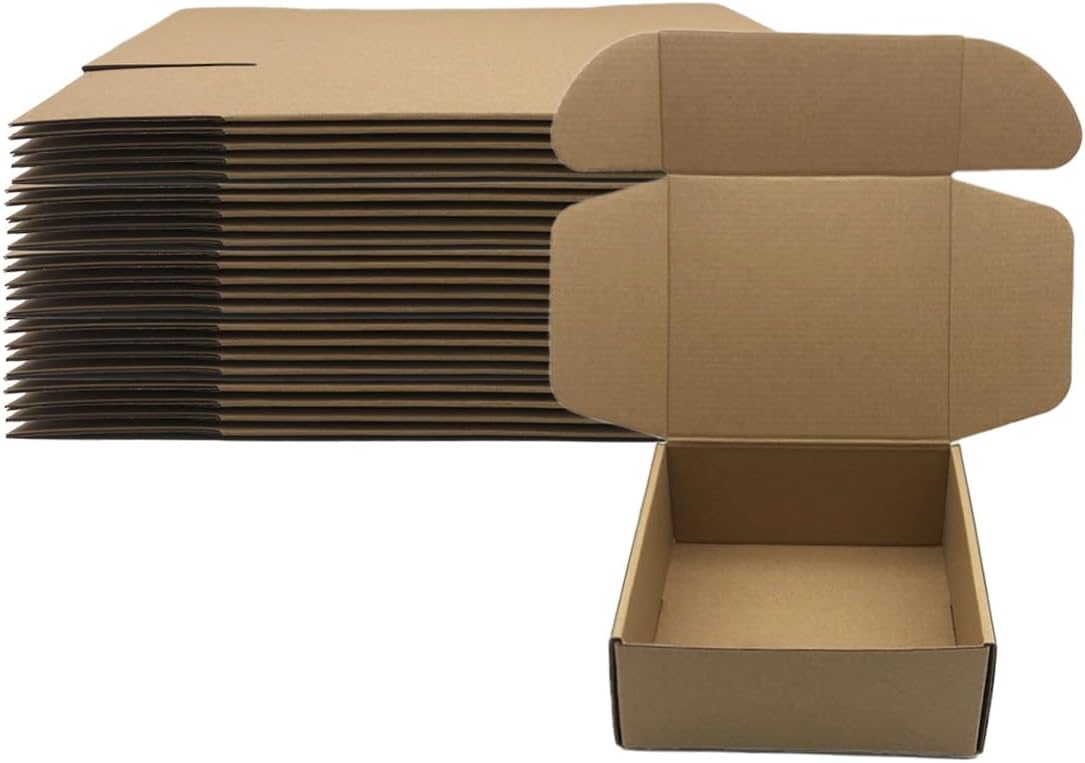
How Do You Set Up a Boxes Manufacturing Unit Safely and Legally?
Starting a manufacturing unit involves a lot of paperwork and safety checks. First, you must secure a proper factory license from your local government. You cannot legally run a factory without this. Next, you must register your business for taxes. For example, if you look at a box manufacturing business in India, you must obtain a GST registration to sell your goods legally.
Safety is just as important as legal paperwork. Corrugated box making creates a lot of paper dust. Therefore, proper ventilation is absolutely necessary. You must install strong exhaust fans to keep the air clean for your workers. Additionally, paper is highly flammable. Strict fire safety rules must be followed. You must have fire extinguishers, clear exit routes, and regular safety training.
You also need to think about pollution control. Even though making cardboard boxes is relatively clean, you still need clearance from local environmental boards. Proper waste disposal for scrap paper and glue is vital. A safe and legal boxes manufacturing unit protects your workers, avoids heavy fines, and builds trust with big corporate clients.
How Can Project Reports Help Ensure Profitability in Manufacturing Corrugated Boxes?
You might wonder how to know if your idea will actually make money. This is where project reports come in. A project report is a detailed document that estimates your costs and expected income. It breaks down everything: the price of kraft paper, electricity bills, labor costs, and expected sales. Using project reports takes the guesswork out of your planning.
To achieve real profitability, you must understand your profit margins. Box making is often a volume game. You might only make a few cents per box, so you need to sell thousands to make a good profit. Your project report will tell you exactly how many boxes you must sell each month just to break even. This helps you set realistic sales targets for your plant manager.
When you plan the manufacturing of corrugated boxes, watching your numbers closely is the only way to survive. By regularly comparing your actual spending against your project reports, you can spot problems early. Maybe your raw material costs are too high, or maybe your machines use too much power. Catching these issues early helps keep your profitable business on track.
Is a Small-Scale Corrugated Box Manufacturing Business a Profitable Business Model?
Many people ask if they can start small. The answer is yes. A small-scale corrugated box manufacturing business is a highly viable and profitable business. You do not need to build a massive, fully automated factory on day one. By setting up a smaller shop, you keep your risks low while you learn the industry.
A small boxes manufacturing unit can focus on niche markets. Large factories usually demand a very high minimum order quantity (MOQ). This leaves small businesses struggling to find boxes. A small-scale operation can offer lower MOQs, catering perfectly to local bakeries, boutique clothing shops, or new e-commerce sellers. This flexibility gives you a huge competitive advantage in the local marketplace.
Furthermore, you can specialize in customized items. Producing printed corrugated mailer boxes with unique shapes and colorful designs allows you to charge a premium price. When you start this business small, you focus on great service, quick delivery, and strong customization. Over time, as demand grows, you can easily scale up your corrugated box business.
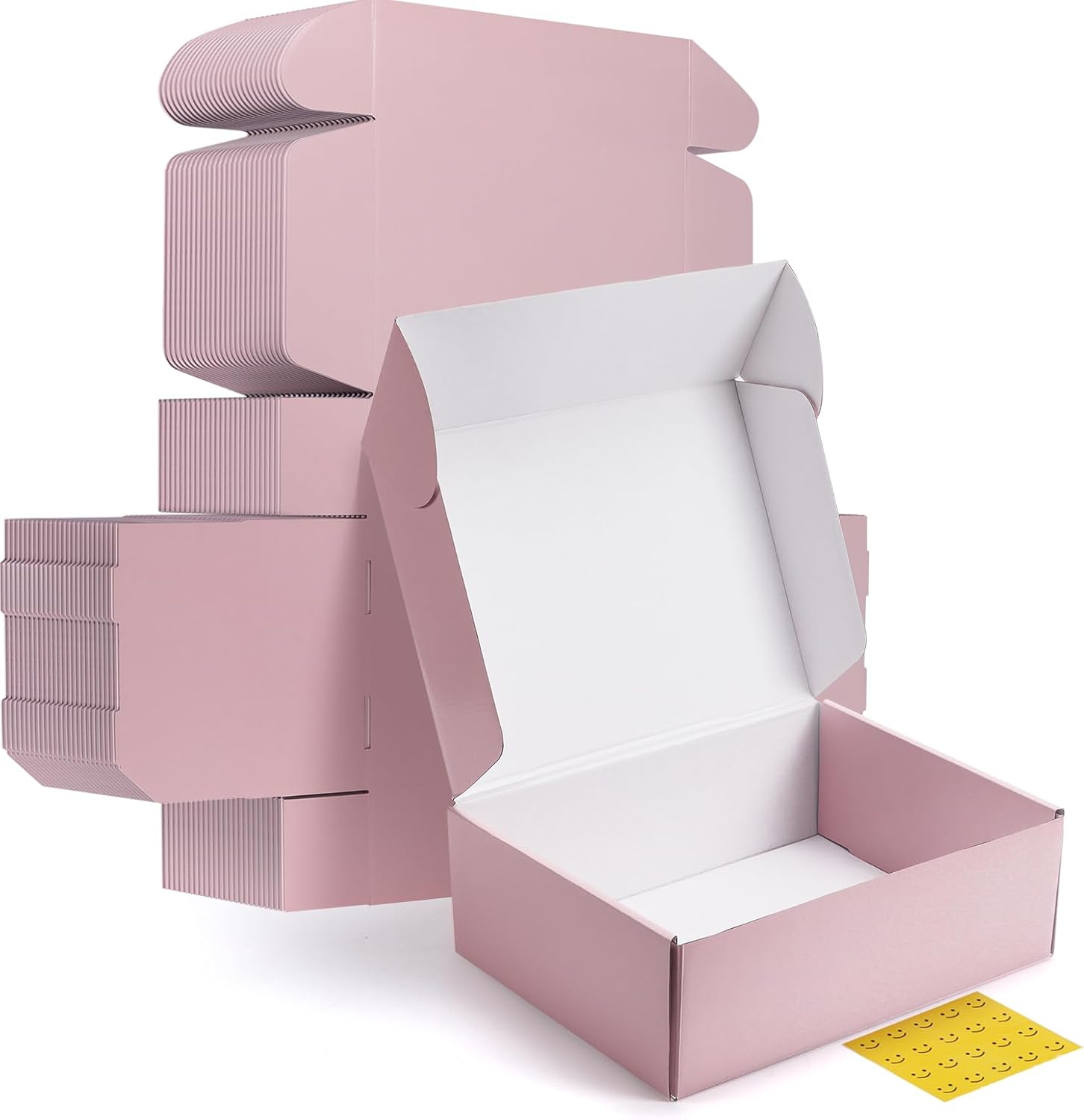
What Are the Key Steps in the Production Process of Corrugated Cardboard?
The production process of making corrugated cardboard is fascinating. It all starts with the corrugator machine. Rolls of flat kraft paper are fed into the corrugator. Inside, hot steam and heavy rollers press the paper into a wavy shape called a flute. This wavy layer is then glued between two flat layers of paper. This creates the strong, rigid sheet we call corrugate board.
Once the board is ready, it moves to the printing and cutting stage. If the client wants a logo, the board passes through a flexo printer. Next, a machine will slot and crease the board. Slotting cuts the flaps, while creasing makes the fold lines. This allows the stiff board to fold easily into a box shape without tearing.
Finally, the flat, cut boards are folded and joined together. Depending on the box style, they are either glued or stitched using a stitching wire. Once joined, the boxes are tied into bundles and prepared for shipping. Modern automation allows factories to produce thousands of different sizes and shapes quickly and accurately.
How Do You Market Your Boxes Manufacturing Output to B2B and E-Commerce Clients?
Having a great product is useless if nobody knows about it. Marketing your boxes manufacturing output requires a smart B2B strategy. Your best customers are other businesses. Start by targeting local e-commerce stores, warehouses, and FMCG companies. They need a constant supply of shipping cartons and custom foldable corrugated boxes. Call them directly and offer to send free samples so they can test your quality.
Online visibility is also crucial. If you are starting a manufacturing business in India or anywhere else in the world, you must list your company on online portals. Platforms like IndiaMART, TradeIndia, and Alibaba connect buyers directly with manufacturers. Make sure you post clear photos of your products and highlight your ability to handle custom orders and specific MOQs.
Another great way to win clients is by offering exceptional service. Quick delivery times and high-quality printing will make you stand out. E-commerce sellers often run out of boxes suddenly and need an emergency restock. If you can deliver quickly, you will win a customer for life. Focus on solving their packaging problems, and your order book will stay full.
What Are the Secret Strategies to Start a Corrugated Box Manufacturing Venture Successfully?
To start a corrugated box manufacturing plant successfully, you need more than just machines and paper. You need smart strategies. First, always focus on quality over speed in the beginning. A poorly glued box will fall apart during shipping, and you will lose that client forever. Focus on making perfect corrugated boxes manufacturing runs before you try to break speed records.
Second, embrace customization. The modern packaging industry demands unique solutions. Offer clients different printing options, special tear lines, or unique box structures like acustom shipping carton with tear line. When you provide high-value, custom solutions, clients are willing to pay higher prices. This boosts your overall profitability significantly.
Finally, plan to be scalable. As your corrugated boxes manufacturing business grows, the demand for corrugated products will push you to expand. Reinvest your early profits into better machinery. Move from semi-automatic to fully automatic systems when the time is right. If you maintain strong relationships with your raw material suppliers and keep a close eye on your project reports, you will build a thriving packaging business.

Key Takeaways to Remember:
- High Demand: The boom in e-commerce and the shift toward eco-friendly materials ensure a constant demand for corrugated packaging.
- Solid Planning: A detailed business plan and accurate project reports are vital to secure working capital and ensure profitability.
- Choose the Right Equipment: Decide between a semi-automatic plant for lower costs or an automatic corrugated box setup for high-speed, scalable output.
- Quality Materials: Secure a reliable supply of kraft paper, starch adhesive, stitching wire, and ink to maintain efficiency and product quality.
- Legal Compliance: Always obtain the necessary factory license, fire safety approvals, and pollution control certificates before you start manufacturing.
- Niche Markets: A small-scale corrugated box manufacturing business is highly profitable when targeting small businesses with lower minimum order quantity (MOQs).
- Smart Marketing: List your business on portals like IndiaMART or TradeIndia, and target B2B clients by offering quick delivery and high customization.
Post time: Apr-15-2026