
The landscape of cosmetic packaging is undergoing a radical transformation. No longer just a protective shell, packaging has become a dynamic, multi-sensory touchpoint that defines brand identity, communicates values, and forges lasting connections with consumers. As we look toward 2026, the convergence of technology, sustainability, and personalized experience is setting the stage for a new era in beauty branding. Companies that proactively adapt to these shifts will not only capture market attention but also build the resilient, forward-thinking brands that modern customers demand.
This article explores the pivotal packaging innovations poised to dominate the cosmetic industry in 2026, providing a strategic roadmap for brands ready to elevate their presence.
1.Hyper-Personalization Through Digital Printing
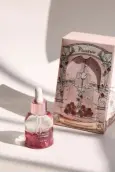
Moving beyond simple name labels, 2026 will see the rise of hyper-personalization enabled by advanced digital printing technologies. Brands can now cost-effectively produce small batches or even single units with unique designs, colors, or messages. Imagine packaging that reflects a customer's skin tone range, astrological sign, or even incorporates a selfie submitted at the time of purchase. This level of customization transforms standard packaging into a personal keepsake, dramatically enhancing the unboxing experience and fostering immense brand loyalty. The agility of digital printing allows for limited-edition runs and regional designs, making mass customization a practical reality.
2.Refillable and Regenerative Systems
The next wave of sustainable packaging goes beyond material choice to embrace circular economy principles. Refillable systems, where consumers purchase a durable, beautifully designed primary container once and then buy replenishments in simple, reduced-packaging pods, will become a market standard. In 2026, we will see more sophisticated and leak-proof refill mechanisms integrated into a wider range of products, from serums to powders. Furthermore, "regenerative" packaging—made from materials that contribute positively to the environment, such as seed-infused paper that can be planted—will gain traction, offering consumers a tangible way to participate in eco-activism.
3.Smart Packaging with NFC and QR Integration
Augmented Reality (AR) is evolving into more seamless smart packaging integrations. Near-Field Communication (NFC) chips embedded in labels or packaging will allow consumers to simply tap their smartphone on the product to access a wealth of information. This could include detailed ingredient sourcing, video tutorials from makeup artists, authenticity verification to combat counterfeiting, or even automatic reordering. This technology turns every product into an interactive portal, providing immense value long after the initial purchase and creating a rich data stream for brands to understand customer engagement.
4.Neo-Minimalism with Tactile Finishes
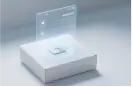
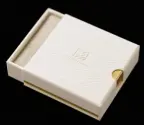
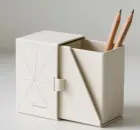
While minimalism remains powerful, 2026 will introduce "neo-minimalism"—a design philosophy that pairs clean, uncluttered layouts with sophisticated, high-tactile finishes. Think muted, earthy color palettes contrasted with striking embossing, subtle debossing, or spot UV coatings that create a sensory experience without visual noise. This approach appeals to consumers seeking calm and authenticity. The packaging feels luxurious and intentional under touch, conveying quality and thoughtfulness without relying on bold graphics or complex patterns. Here is a rigid drawer box, you can have a look.
5.Biodegradable and Marine-Safe Polymers
As concern over plastic pollution intensifies, innovation in bioplastics will accelerate. The focus for 2026 will be on polymers derived from algae, seaweed, or mycelium that are not only biodegradable but also marine-safe, meaning they break down harmlessly in ocean environments. These materials offer the durability and clarity traditionally associated with plastic but with a radically improved end-of-life profile. Brands adopting these cutting-edge materials will position themselves as true leaders in environmental stewardship.
6.Emotional Durability and Heirloom Design
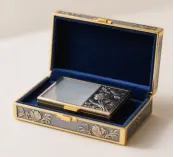
In direct opposition to disposable culture, a trend toward "emotional durability" will emerge. Packaging will be designed as collectible, long-lasting objects meant to be kept and displayed. This "heirloom design" utilizes materials like frosted glass, ceramic, and anodized aluminum, often with timeless artistic patterns. By creating packaging that is too beautiful to discard, brands can reduce waste and anchor their product as a cherished item in the consumer's daily ritual, enhancing perceived value and deepening the emotional connection.
7.Data-Driven Structural Optimization
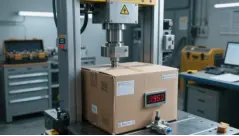
With the growth of e-commerce, packaging must be both beautiful and functionally robust. In 2026, brands will increasingly use data analytics and AI to optimize packaging structures for sustainability and protection. Software can simulate shipping stresses to design the most material-efficient box that uses the least amount of resource while guaranteeing the product arrives flawlessly. This reduces material costs, shipping weight, and environmental footprint—a win-win for brands, consumers, and the planet.
8.Multifunctional and Travel-Centric Solutions
Catering to the on-the-go lifestyle, packaging will become more multifunctional. A single compact might include a mirror, built-in applicator, and a secure closure suitable for travel. Packaging will be designed for versatility—modular components that can be rearranged or packages that serve a secondary purpose, like a jar that becomes a small vase. This emphasis on utility and space-saving design directly addresses the practical needs of modern consumers.
9.Transparent and Radical Honesty in Labeling
Consumer demand for transparency will extend to more comprehensive and accessible labeling. Packaging will feature clearer, more honest information about ingredient sourcing, carbon footprint of the product (and its package), and the brand's ethical certifications. This "radical honesty" builds trust and empowers consumers to make informed, values-aligned purchases. Simplified, icons-based storytelling on-pack will quickly communicate a brand’s commitment to cruelty-free practices, vegan formulas, and fair trade.
10.Integrated Social Commerce Features
Packaging will become a direct bridge to social commerce. Beyond simple QR codes, we will see packaging designed specifically for "unboxing hauls" on platforms like TikTok and Instagram. This includes photogenic backgrounds integrated into the box design, props, or challenges that encourage users to create and share content. Hashtags and handles will be prominently featured, turning customers into brand ambassadors and creating organic, user-generated marketing campaigns.
Conclusion: Packaging as a Strategic Asset
The cosmetic packaging of 2026 is intelligent, sustainable, and deeply personal. It is an active participant in the brand story rather than a passive container. By embracing these trends—from hyper-personalization and smart technology to regenerative materials and heirloom design—brands can create powerful, multi-sensory experiences that resonate with the evolving values of consumers. In a crowded marketplace, innovative packaging is no longer optional; it is a critical strategic asset for building distinction, driving loyalty, and ensuring long-term success.
FAQS:
- What are the core innovation directions of cosmetic packaging in 2026?
It centers on hyper-personalization, circular regenerative systems, NFC/QR smart integration, tactile neo-minimalist design, marine-safe bioplastics, etc., combining technology, sustainability and user experience.
- How will hyper-personalized packaging be realized in 2026?
With advanced digital printing technology, brands can cost-effectively launch small-batch or single-product customized packaging, integrating elements like consumers’ skin tones, zodiac signs and selfies to turn packaging into exclusive keepsakes.
- What value can smart packaging (NFC/QR integration) bring to consumers?
By tapping or scanning the packaging, consumers can access ingredient tracing, makeup tutorials, authenticity verification and one-click repurchase, making products long-term interactive carriers while helping brands collect user data.
- What new breakthroughs are there in sustainable cosmetic packaging in 2026?
Beyond refillable systems, marine-safe bioplastics from seaweed and mycelium emerge, along with plantable regenerative packaging. They balance durability and environmental friendliness, aligning with circular economy concepts.
- What is the difference between neo-minimalist design and traditional minimalist packaging?
Based on clean layouts, neo-minimalism adds exquisite tactile processes like embossing and spot UV, using low-saturation earth tones to create texture, conveying tactile luxury and brand care within visual simplicity.
We have rich experience in producing paper items, if you have any needs can contact us freely.
Post time: Dec-02-2025