
In the bustling world of retail and e-commerce, it is easy to think that louder is better. However, a quiet revolution is taking over the shelves and doorsteps of the world: minimalist packaging. This approach isn't just about using less stuff; it is about making what you use count for more. By stripping away the unnecessary, you allow your brand to shine through with clarity and elegance. This article explores why minimalism in package design is more than just a trend—it is a strategic move that enhances sustainability, captivates the modern consumer, and elevates the perceived value of your products. Whether you are selling high-end cosmetics or eco-friendly apparel, understanding the power of minimalist packaging design can transform your business.
What is Minimalist Packaging Design and Why Is It Trending?
Minimalist packaging design is the art of removing the clutter to focus on the essential. It follows the "less is more" philosophy. Instead of bombarding the customer with bright colors, screaming graphics, and excessive text, minimalist packaging uses clean lines, ample negative space, and thoughtful typography. But don't mistake simple for boring. In my 15 years of experience in the manufacturing industry, I have seen that the simplest designs are often the hardest to execute because every detail matters. When you remove the noise, the quality of the materials and the precision of the print become the stars of the show.
Design trends come and go, but minimalism has staying power because it solves a problem. We live in a noisy world. Consumers are overwhelmed by choices. When a customer sees a product with simple packaging, it feels like a breath of fresh air. It communicates confidence. It says, "This product is so good, it doesn't need to shout to get your attention." This aesthetic appeals deeply to modern consumers who value transparency and authenticity. It is not just a design choice; it is a way to communicate respect for the customer's intelligence and time.
Furthermore, this trend is heavily influenced by the global shift toward sustainability. A minimalist approach often correlates with using fewer materials and less ink, which naturally reduces the environmental footprint. Brands that adopt this style are often seen as more eco-conscious and responsible. It is a win-win situation where the aesthetics of the package align perfectly with the ethical values of the shopper.
How Does Minimalism in Packaging Elevate Brand Identity?
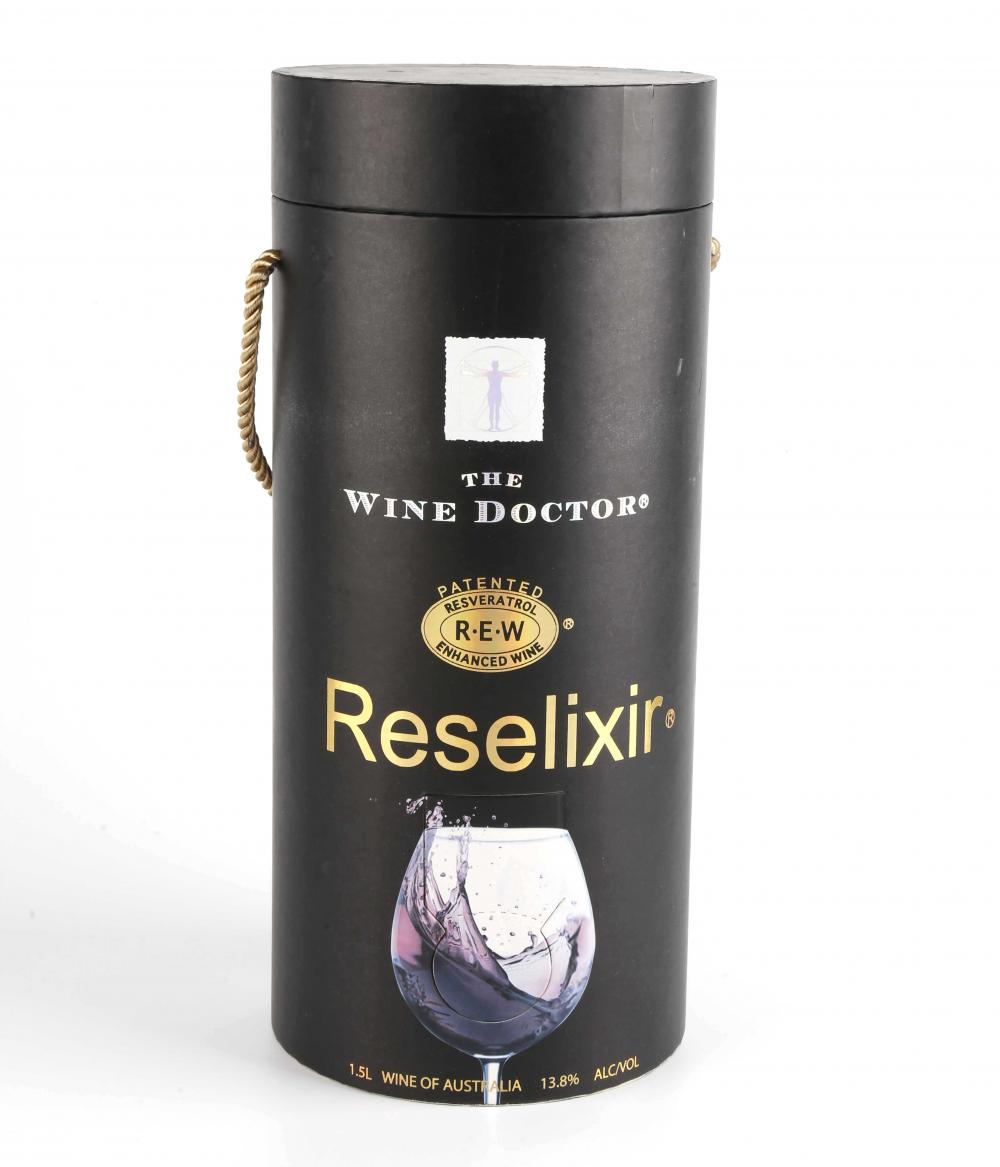
Your brand identity is the personality of your business. Many people think that to build a strong brand, you need to splash your logo everywhere and use complex patterns. However, minimalist packaging can actually elevate your brand presence more effectively. Think about the most iconic technology or fashion houses. Their luxury packaging is often incredibly simple—perhaps just a solid color with a small, foil-stamped logo. This simplicity creates an air of exclusivity and high status. It makes the brand feel mature and established.
When you use custom packaging that focuses on minimalism, you are telling a story of quality. By choosing high-quality materials, like rigid boards or textured papers, and pairing them with a restrained design, you create a tactile experience. The customer touches the box before they open it. If the texture is smooth and the weight is substantial, they immediately associate those qualities with your brand. This builds consumer trust. A cluttered box can feel cheap or desperate for attention, whereas a minimalist box feels self-assured.
Consistency is key here. Minimalism makes it easier to maintain visual consistency across different product lines. Whether you are shipping a small lipstick or a large electronic device, a consistent minimalist theme—same font, same specific color, same logo placement—ties everything together. This boosts brand recognition. When a customer spots that specific shade of white or that particular font style from across the room, they know it is you. This recognition is the holy grail of brand building.
Why Do Modern Consumers Prefer Simple Packaging Solutions?
Modern consumers, especially the demographic that shops for D2C brands online, are tired of excess. They are looking for packaging solutions that are easy to understand and easy to dispose of. Simple packaging cuts through the cognitive load. When a package arrives, the customer wants to get to the product. They don't want to fight through layers of plastic wrap, three different boxes, and a mountain of packing peanuts. Minimalist packaging usually implies a straightforward unboxing experience. It respects the user's journey from anticipation to product usage.
There is also a psychological aspect to simple packaging design. Clean designs are often perceived as more hygienic and pure. This is particularly important in industries like skin care, food, and wellness. If a beauty cream comes in a box with chaotic graphics, a consumer might subconsciously worry about the purity of the ingredients. However, a clean, white box with elegant black text suggests purity, clinical effectiveness, and safety. The unboxing experience becomes a moment of calm rather than chaos.
"Good design is as little design as possible." — Dieter Rams
This quote holds true for packaging. The unboxing process is the first physical touchpoint a customer has with your brand after buying online. If that experience is seamless and beautiful in its simplicity, the customer is happier. Happy customers leave better reviews and are more likely to return. Therefore, simple packaging is not just an aesthetic preference; it is a conversion tool.
Is Sustainable Packaging the Core of the Minimalist Movement?
It is impossible to talk about minimalist packaging without talking about sustainability. The two concepts are best friends. The core philosophy of minimalism—stripping away the non-essential—is exactly what sustainable packaging aims to do. By designing boxes that use less material, you are directly reducing waste. This isn't just about looking good; it is about doing good. Environmental impact is a huge concern for today's shoppers. They check if your box is recyclable or made from recycled paper.
When you opt for minimalist design, you often forgo full-color, edge-to-edge printing. This means you use less ink. Standard inks can sometimes make recycling paper more difficult, so using minimal ink is a genuinely eco-friendly choice. Furthermore, minimalist boxes often avoid using laminations or plastic coatings that make boxes shiny but non-recyclable. Instead, we see a rise in the use of raw, recyclable materials like Kraft paper or uncoated cardstock. These materials look stunning in a minimalist setup and tell the customer that the brand cares about the planet.
For businesses, this commitment to sustainability through minimalism also saves money. Using fewer materials lowers production costs. Lighter boxes reduce shipping weights, which cuts down on logistics costs and carbon emissions. So, sustainable minimalist strategies help the planet, please the customer, and improve your bottom line. It creates a cycle where environmentally conscious decisions drive business success.
How Can Luxury Packaging Benefit from a Minimalist Design?
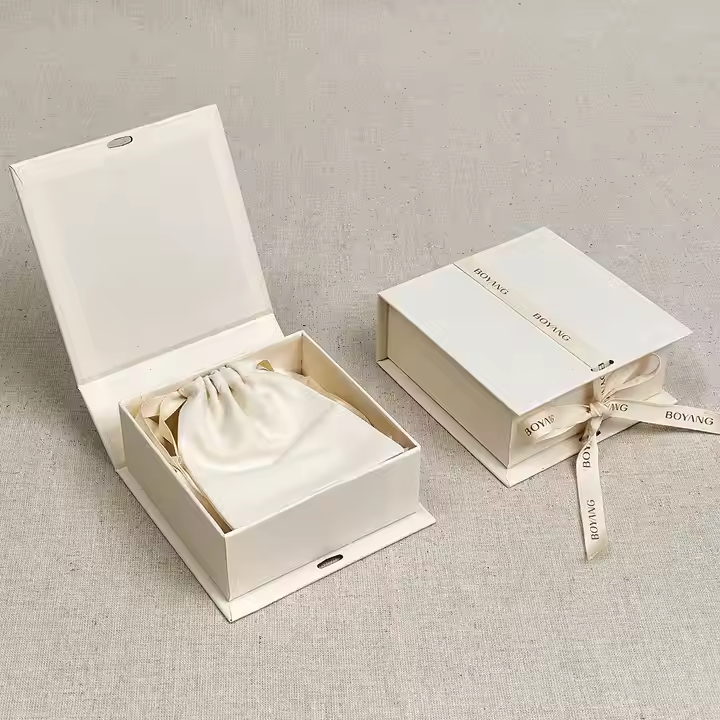
There is a common misconception that luxury packaging must be ornate and gold-plated to feel expensive. In reality, true luxury whispers; it doesn't shout. Luxury brands have mastered the art of minimalist packaging design. They understand that the value is in the anticipation. A sturdy, well-made rigid gift box packaging with a magnetic closure creates a sense of ceremony. The design might be just a subtle blind emboss of the logo on a matte black background, but that subtlety implies sophistication.
In the luxury sector, the material quality is paramount. Because the design is minimal, flaws have nowhere to hide. You cannot mask a cheap cardboard texture with a busy pattern. This forces the brand to use premium materials. Soft-touch finishes, thick rigid boards, and precise structural engineering become the definition of luxury. This creates a sense of luxury that is tactile. The weight of the box, the sound of the air escaping as the lid lifts—these are the details that define high-end minimalist packaging.
Furthermore, minimalist luxury boxes are often kept by customers. They are too beautiful to throw away. A sturdy, simple box becomes storage for jewelry, letters, or keepsakes. This means your brand stays in the customer's home for months or even years. Every time they see that box, they are reminded of the quality of your product. This lasting impression is the ultimate goal of luxury packaging.
What Design Elements Are Crucial for Effective Minimalist Packaging?
Creating effective minimalist packaging is not as easy as just typing your name on a white box. It requires a keen eye for balance. The first crucial element is typography. Since there are no pictures to distract the eye, your font choice carries the weight of the entire design. The spacing between letters (kerning) and the space between lines (leading) must be perfect. A modern sans-serif font might convey innovation, while a classic serif font suggests heritage and elegance.
Another vital element is color. Minimalist packaging typically utilizes restricted color palettes. Monochromatic schemes (different shades of one color) or high-contrast black and white are popular. However, a splash of a single vibrant color against a neutral background can be incredibly powerful. This creates a focal point that draws the eye exactly where you want it—usually to the logo or the product name. This restraint in color usage ensures that the brand identity remains strong and recognizable.
Negative space (or white space) is the third pillar. You must be brave enough to leave empty space on the box. This space gives the design room to breathe. It creates a visual pause that allows the consumer to focus on what is actually there. Finally, texture plays a huge role. Since the visual stimuli are reduced, the tactile stimuli must increase. Using texture paper or embossing adds a dimension of touch that makes the simple packaging design feel rich and complete.
Key Elements Checklist:
- Typography: Clean, legible, and expressive of brand character.
- Color: Limited palette, high contrast, or monochromatic.
- Space: Generous use of negative space to create focus.
- Material: High-quality textures to compensate for lack of graphics.
Does Using Fewer Materials Truly Reduce Environmental Impact?
It is a valid question: does simply using less material make a big difference? The answer is a resounding yes. Reducing the physical amount of packaging is the most direct way to lower environmental impact. When we design custom packaging that fits the product perfectly, we eliminate the need for void fillers like bubble wrap or Styrofoam peanuts. A well-engineered minimalist design protects the product through structure, not padding.
Using fewer materials also means less energy is consumed during manufacturing. Producing a smaller box requires less water and electricity. It also generates less waste at the consumer's end. We all hate filling our recycling bins with mountains of cardboard. Minimal packaging respects the consumer's living space.
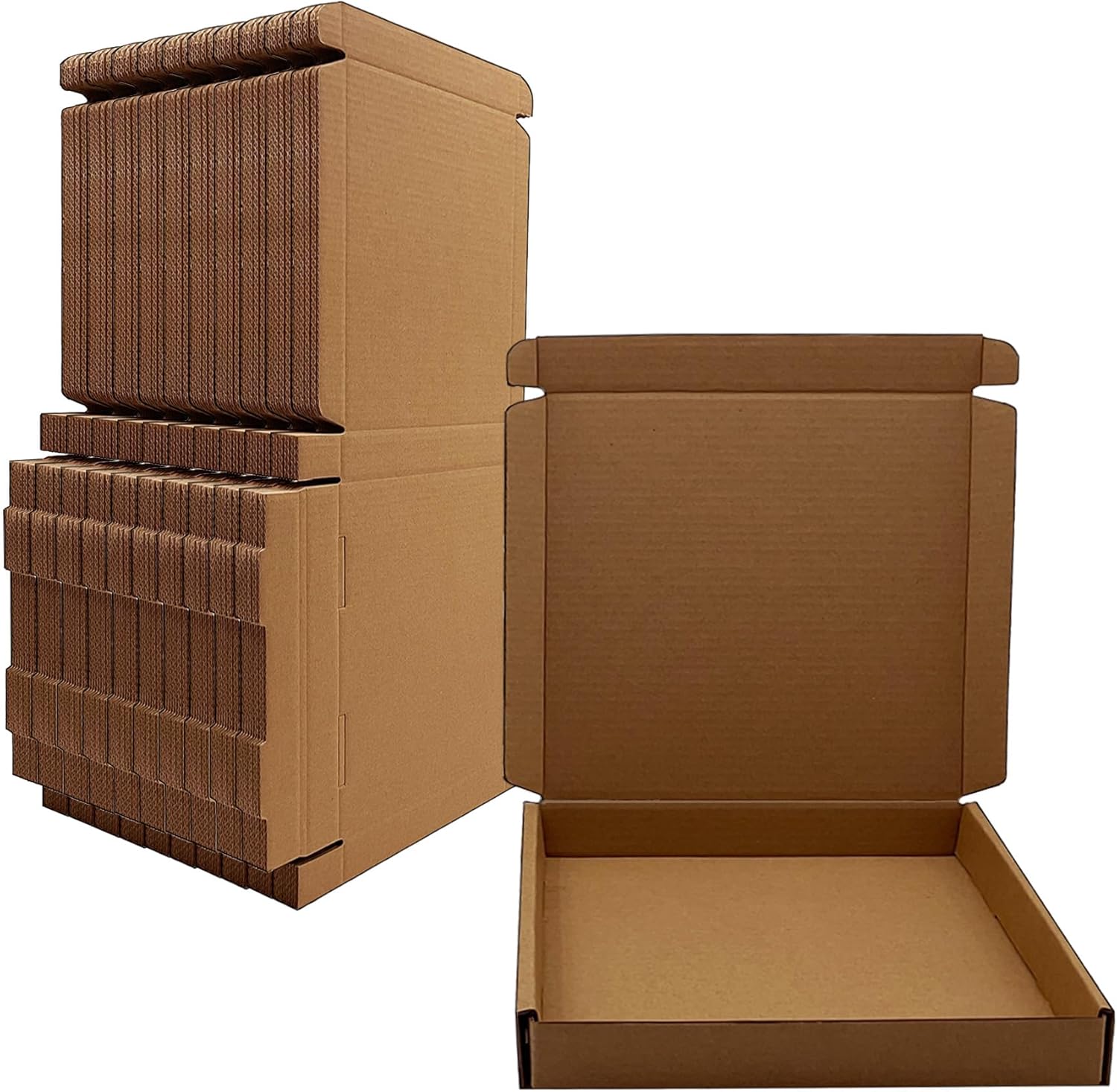
Moreover, we must consider the ink and finishes. Heavily printed boxes require more chemicals. Foil stamping and UV coatings, while beautiful, can sometimes complicate the recycling process depending on local facilities. A minimalist approach that uses soy-based inks on plain custom kraft corrugated boxes is the gold standard for environmentally responsible packaging. It decomposes naturally and is easily recycled, proving that less waste truly equals a healthier planet.
How Does Minimalist Packaging Appeal to Modern Consumers in the Cosmetic Industry?
The cosmetic industry is perhaps the biggest champion of minimalist packaging. Walk into any beauty store, and you will see shelves dominated by clean, simple designs. Modern consumers in the beauty space are looking for transparency. They want to know the ingredients. They want to know the ethics of the brand. A cluttered package feels like it is hiding something. Minimalist packaging in cosmetics suggests that the product inside is effective and pure.
For skincare brands, white or pastel packaging solutions convey cleanliness and clinical efficacy. For makeup brands, sleek black or bold monochromatic boxes suggest professional quality. This design style also aligns with the "clean beauty" movement. If a product claims to be free of harmful chemicals, the packaging should look clean too. It creates a subconscious link between the exterior look and the interior formula.
Additionally, cosmetic products are often small. Trying to cram too much information onto a small lipstick box makes it unreadable. Minimalism solves this by prioritizing the brand logo and the shade name. This functionality is appreciated by users who just want to find their favorite color in their makeup bag quickly. The aesthetic appeal also matters for social media. A beautiful, simple cosmetic bottle looks great on an Instagram feed, providing free marketing for the brand.
How Can You Align Your Packaging Strategies with Eco-Conscious Values?
To truly align your business with eco-conscious values, you need to think beyond just the look of the box. You need packaging strategies that consider the entire lifecycle of the package. Start by choosing the right materials. Are you using virgin paper, or are you opting for Post-Consumer Recycled (PCR) content? At Yucai Box, we often recommend materials that are certified sustainable.
Next, think about the ink. As mentioned, minimalism allows for less ink usage. But you can go further by requesting vegetable-based inks. Also, consider the glues. Sustainable glues ensure that the box remains biodegradable. These technical details might seem small, but they matter to the environmentally conscious consumers you are trying to attract.
Communication is also part of the strategy. Use your minimalist packaging design to tell your sustainability story. A small icon indicating the box is recyclable or a simple sentence like "Printed on recycled paper" adds immense value. It validates the customer's purchase decision. By combining a minimalist design with genuine eco-friendly materials and clear communication, you prove that your commitment to sustainability is real, not just greenwashing.
What Steps Should You Take to Create Successful Minimalist Packaging?
Creating successful minimalist packaging is a journey. It starts with understanding your product and your audience. Here is a roadmap to get you started:
- Define Your Essentials: What is the absolute minimum information your customer needs on the front of the box? Usually, it is just the logo and product name. Move everything else to the back or the inside.
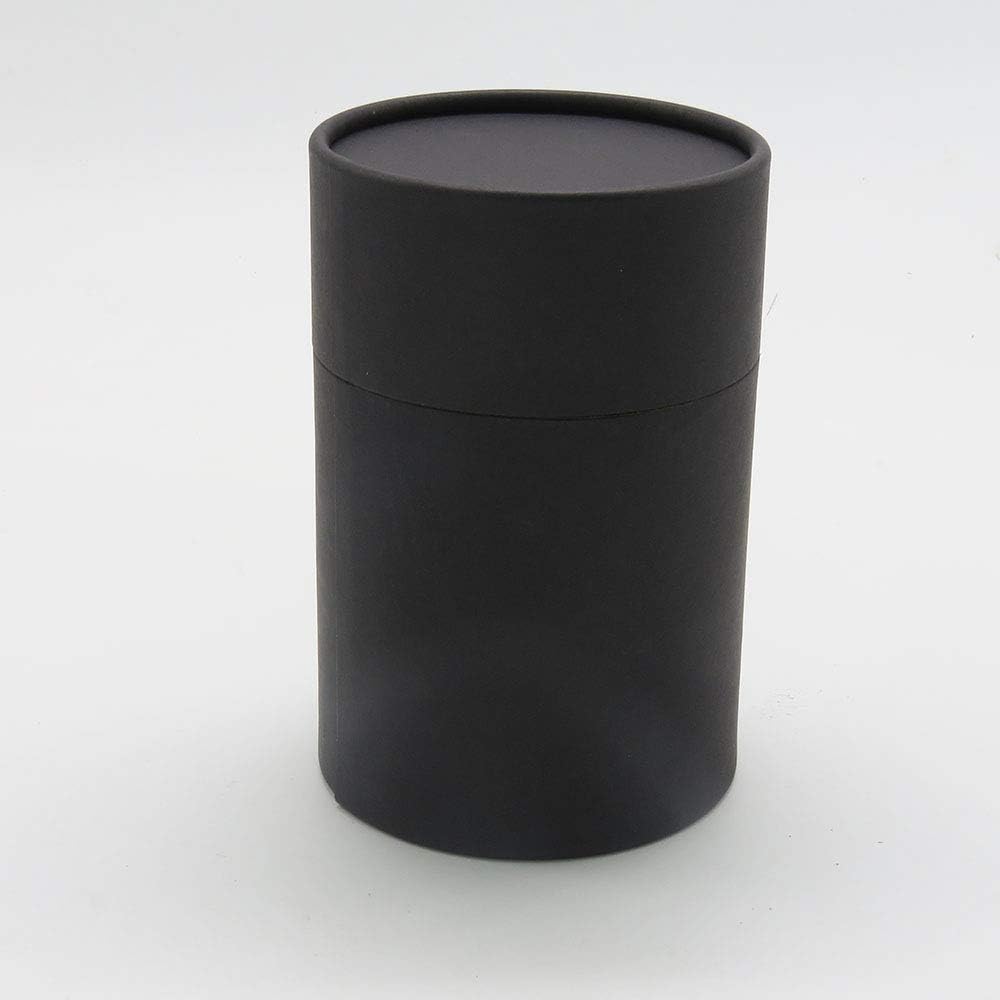
- Focus on Structure: Since the graphics are simple, the box structure must be interesting. Explore options like custom magnetic boxes or unique texture paper tube box designs. The shape itself becomes part of the design.
- Select Premium Materials: Request samples. Feel the paper. Is it rough? Smooth? heavy? The tactile experience is 50% of the appeal in minimalism.
- Prototype and Test: Before you commit to a full run, get a sample. See how it looks on a shelf. See how it photographs. Does the color pop? Is the logo legible?
- Work with an Expert: Find a manufacturer (like us!) who understands that "simple" requires precision. We can help you match your brand colors perfectly (PMS matching) and suggest the right finishes (matte vs. gloss) to achieve that premium look.
By following these steps, you can create packaging solutions that are not only beautiful but also functional and brand-enhancing.
Summary: Key Takeaways on Minimalist Packaging
- Less is More: Minimalist packaging removes clutter to focus on quality and brand identity.
- Sustainability: It naturally aligns with eco-friendly practices by using fewer materials, less ink, and recyclable options.
- Brand Elevation: Simple designs with premium materials create a sense of luxury and sophistication, building consumer trust.
- Consumer Preference: Modern shoppers prefer clean, easy-to-understand packaging that offers a stress-free unboxing experience.
- Design Essentials: Success relies on perfect typography, negative space, limited color palettes, and high-quality textures.
- Strategic Advantage: Minimalism improves brand recognition and can reduce shipping and production costs.
Embracing minimalist packaging is not just about following a trend; it is about clarifying your message. It is a powerful way to show the world that your brand is confident, conscious, and quality-driven. If you are ready to explore how simple design can transform your business, we are here to help you craft the perfect box.
Post time: Jan-31-2026