
In the dazzling and competitive world of cosmetics, the first touchpoint a customer has with your product is not the product itself—it's the packaging. Before they experience the silky texture of a serum or the vibrant pigment of a lipstick, they hold its container. This moment is your brand's handshake, its first impression, and a promise of the quality within. A thoughtful and beautiful cosmetic packaging design does more than just protect the product; it tells a story, evokes emotion, and solidifies your brand identity. This ultimate guide is designed for beauty brand founders and marketers who understand that packaging is paramount. As a manufacturer with over 15 years of experience helping brands bring their vision to life, I will walk you through the essential steps to create cosmetic packaging that not only captivates on the shelf but also builds a lasting connection with your customers.
Why Does Cosmetic Packaging Matter So Much in the Beauty Industry?
In the visually driven cosmetic industry, packaging plays a significant role that extends far beyond simple containment. Your cosmetic packaging is your silent salesman. On a crowded retail shelf or in a busy e-commerce feed, it's the first thing that catches the eye and draws a potential customer in. This first impression is critical; it can be the deciding factor between a customer choosing your product over a competitor's. The package design communicates your brand's ethos, quality, and target audience in a single, powerful glance. A minimalist, sleek design might signal a clinical, science-backed brand, while a vibrant, ornate design could speak to a playful, artistic one.
Functionally, packaging serves a vital purpose: it protects the delicate formulations of cosmetic products from light, air, and contamination, ensuring their efficacy and safety. But beyond protection, well-designed packaging enhances the user experience. The weight of a glass jar, the satisfying click of a compact, or the smooth pump of a lotion bottle are all part of the ritual of beauty. This tactile interaction elevates the product from a simple cosmetic to a luxurious experience.
Ultimately, packaging matters because it is a direct and tangible link to your brand. It’s what the customer interacts with daily. When the product packaging is beautiful and functional, it builds brand loyalty and encourages customers to display the product, turning it into a small piece of decor and a constant brand reminder. In essence, the packaging can make or break a customer's relationship with your beauty product.
What are the Common Types of Packaging Used for Cosmetic Products?
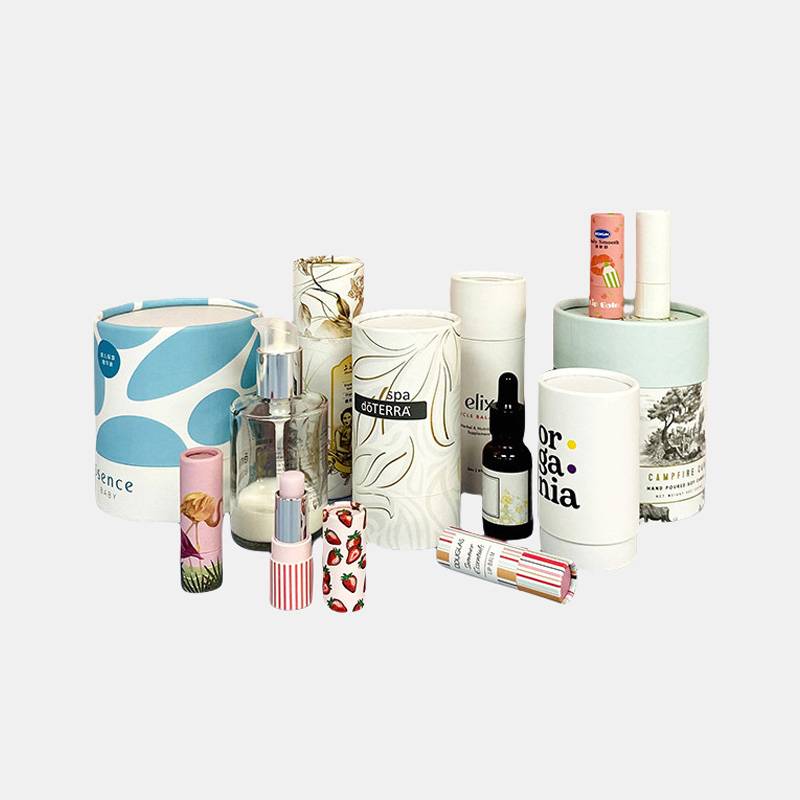
The world of cosmetics utilizes a diverse range of packaging types, each suited for a specific kind of product. These can generally be broken down into two categories: primary packaging (what directly holds the cosmetic) and secondary packaging (the outer packaging that contains the primary container). Understanding these common packaging formats is the first step to choosing the right packaging for your product line.
Here’s a look at some of the most frequent types of packaging you'll encounter:
| Packaging Type | Primary or Secondary | Common Uses | Key Features |
|---|---|---|---|
| Jars | Primary | Creams, balms, masks, scrubs | Wide mouth for easy access; often feels substantial and luxurious. |
| Bottles & Pumps | Primary | Serums, lotions, foundations, cleansers | Excellent for dispensing liquids and protecting from air exposure. |
| Tubes | Primary | Gels, creams, cleansers, lip gloss | Flexible, hygienic, and great for controlling product amount. |
| Compacts | Primary | Pressed powders, eyeshadows, blushes | Portable, often include a mirror for on-the-go application. |
| Folding Cartons | Secondary | The outer box for almost any cosmetic | Protects the primary container and provides ample space for branding and information. |
Choosing the right packaging type depends on the viscosity of your product, its application method, and the desired user experience. As a packaging partner, we often advise brands to think about the customer's daily routine. Will they be traveling with this product? Do they need precise application? Answering these questions will help guide you to the most effective and user-friendly packaging solutions.
How Do I Choose the Right Packaging Materials for Cosmetics?
The material of your cosmetic packaging is just as important as its shape and design. It affects the product's stability, the packaging's durability, and the brand's perceived value and environmental stance. Choosing the right packaging materials for cosmetics is a balance of aesthetics, function, and brand values.
Here are the most common types of packaging materials used in the cosmetics industry:
- Glass: A top choice for luxury skincare and fragrance. Glass is inert, meaning it won't react with the product, and it provides an excellent barrier against moisture and air. It feels heavy and premium, and glass packaging is also recyclable.
- Plastic: Incredibly versatile and lightweight, plastic is used for everything from tubes to bottles to jars. Different types of plastic (like PET, PP, and acrylic) offer varying levels of clarity, flexibility, and chemical resistance. While plastic packaging has faced environmental scrutiny, options made from recycled materials (PCR) are becoming a popular sustainable packaging choice.
- Metal: Aluminum and tin are often used for tins, tubes, and aerosol cans. Metal packaging is durable, lightweight, and provides a 100% barrier to light and air. It often lends a sleek, modern, or vintage feel to the package design.
- Paper & Paperboard: This is the primary material for secondary packaging (the outer box). It’s a fantastic canvas for printing and can be enhanced with countless finishes. Using FSC-certified or recycled paper is a great way to create eco-friendly packaging.
Your choice of material should protect your specific cosmetic product formula while aligning with your brand's price point and sustainability goals. For a brand like Sarah's, focused on a premium experience, a heavy glass jar inside a beautifully finished paperboard box would be a perfect combination.
What are the Key Design Elements of an Effective Cosmetic Package Design?
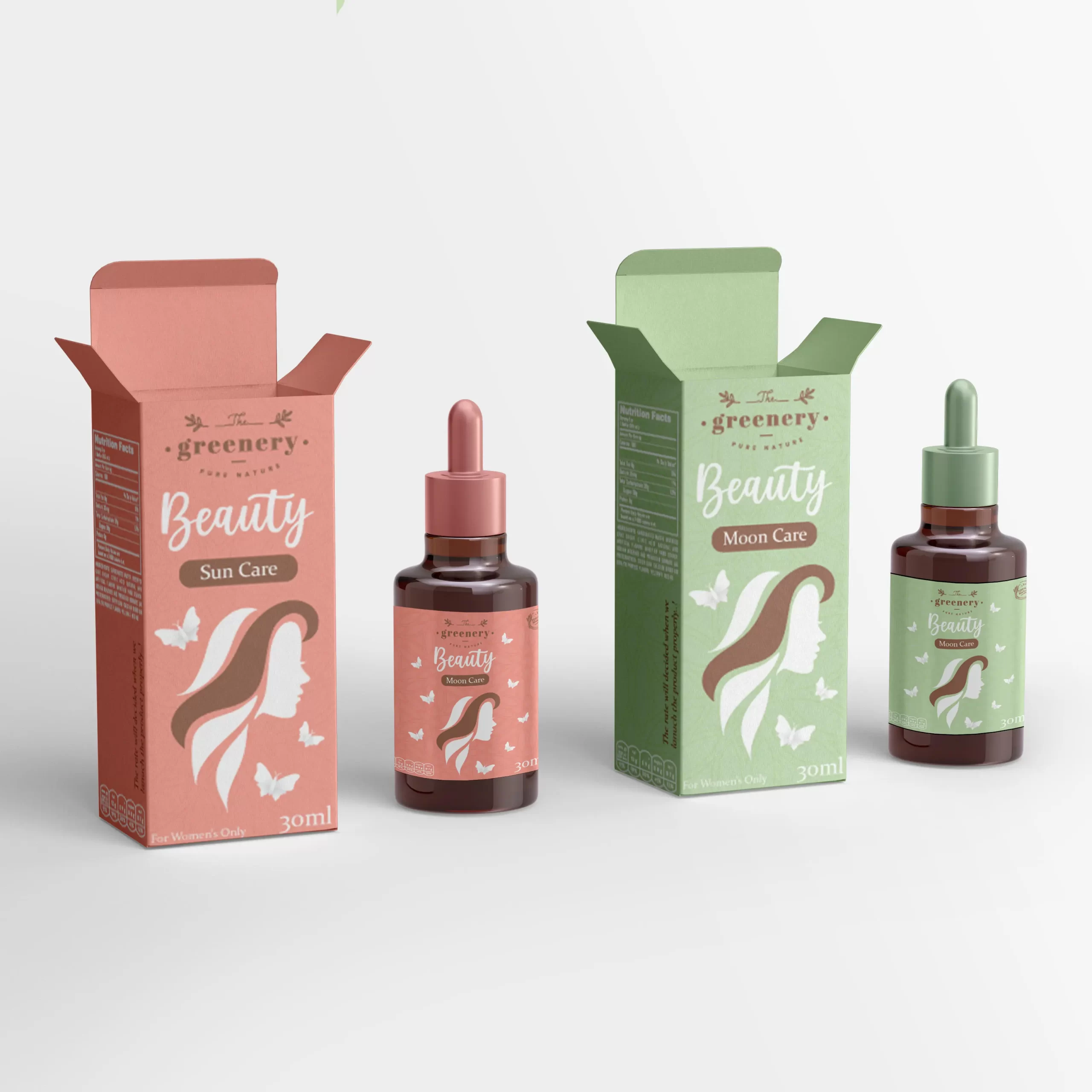
An effective cosmetic packaging design is a harmonious blend of several key visual components. These design elements work together to capture attention, communicate information, and create a specific mood. Getting these right is crucial for creating packaging that stands out in a saturated market. The overall design needs to be cohesive and intentional.
Let's break down the key design elements:
- Color Palette: Color is the first thing a customer notices and it evokes immediate emotion. Soft pastels might suggest a gentle, natural product, while bold, vibrant colors can signal a playful, energetic makeup brand. A monochromatic palette often conveys sophistication and luxury.
- Typography & Font: The font you choose is the voice of your brand. An elegant serif font can feel classic and established, while a clean, modern sans-serif font feels fresh and clinical. The hierarchy of your text—the size and placement of the brand name, product name, and description—is crucial for readability. A good font makes information clear and contributes to the package design aesthetic.
- Imagery & Graphics: Will your packaging feature illustrations, patterns, photographs, or will it be purely typographic? Custom patterns can create a unique and ownable brand look. Minimalist brands often forgo imagery entirely, letting the quality of the materials and the elegance of the font speak for themselves.
- Layout & White Space: How the elements are arranged on your packaging is critical. A cluttered design can look cheap and confusing. Using white space effectively (the empty areas of the design) helps to create a sense of balance, focus, and sophistication. A clean design allows for better readability and a more premium feel.
These elements are the building blocks of your product packaging design. A successful package design is one where every element has a purpose and works to support the core identity of the cosmetic brand.
How Can I Create a Luxury Cosmetic Packaging Design That Stands Out?
To design luxury cosmetic packaging, you must focus on creating a multi-sensory experience that communicates exclusivity and superior quality. Luxury cosmetic packaging design is less about shouting and more about whispering. It’s defined by subtlety, exceptional materials, and meticulous attention to detail. This is where the packaging transforms from a container into a cherished object.
The foundation of luxury is the choice of materials. Think heavy glass, brushed metal accents, or weighty, dense plastics. For the outer packaging, specialty texture paper or a soft-touch laminate creates a tactile experience that feels expensive. The structure of the packaging also plays a huge role. Consider luxurious custom rigid boxes with a magnetic closure, which provide a satisfying "click" upon opening and closing. This kind of thoughtful engineering elevates the entire experience.
Finishing touches are what truly set luxury packaging apart. These techniques add visual and tactile interest:
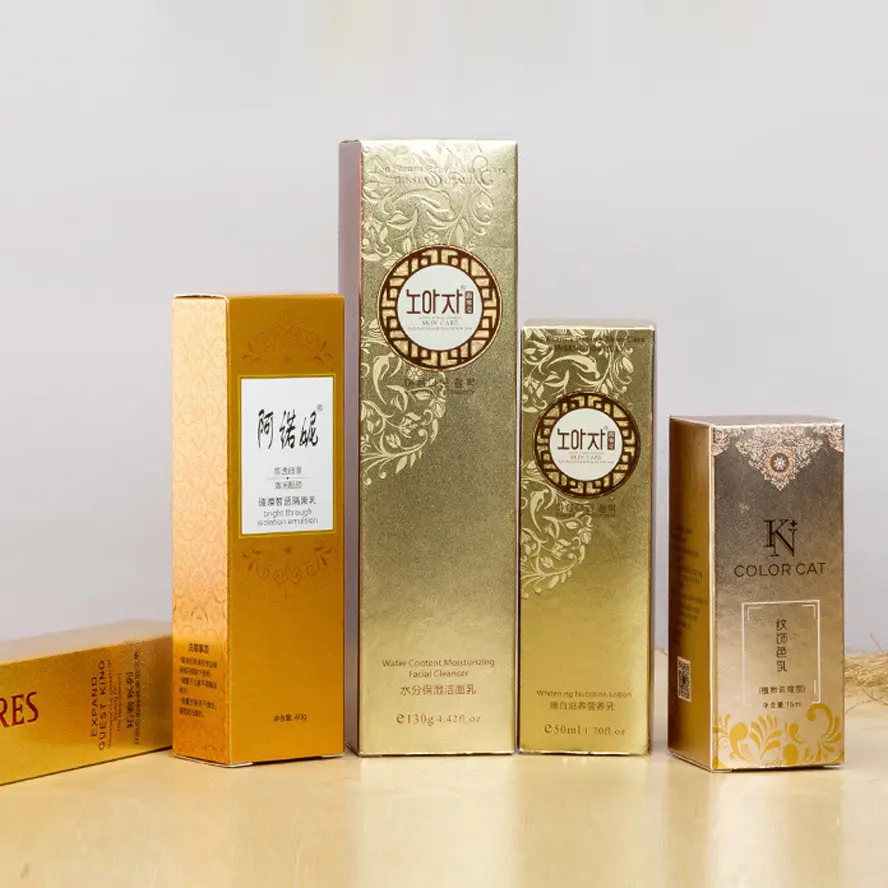
- Foil Stamping: Applying metallic or pigmented foil to create a brilliant, reflective accent on logos or text.
- Embossing & Debossing: Raising (embossing) or depressing (debossing) parts of the design to add a three-dimensional, sculptural quality.
- Spot UV: Applying a high-gloss varnish to specific areas to create a stunning contrast against a matte background. Using Spot UV can make your logo or a pattern subtly pop.
Often, a minimalist design approach works best for luxury. A simple, elegant font on a pristine box with a single, perfectly executed foil-stamped logo can be far more impactful than a busy, colorful design. Luxury packaging often features simplicity and confidence.
What is the Role of Sustainability in Modern Cosmetic Packaging Design?
Sustainability in packaging design is no longer a niche trend in the cosmetic industry; it's a fundamental expectation. Today's consumers, especially in the beauty space, are highly conscious of their environmental impact and actively seek out brands that share their values. Integrating sustainable packaging into your cosmetic packaging design is a powerful way to demonstrate corporate responsibility and connect with a modern audience.
Sustainability can be incorporated in several ways. The most direct approach is through materials. This means using sustainable packaging materials like FSC-certified paper, glass (which is infinitely recyclable), PCR (post-consumer recycled) plastic, or mono-materials that are easier to recycle. Brands are also exploring innovative packaging solutions like refillable packaging, which encourages customers to buy a beautiful primary container once and then purchase refills in simpler, low-waste packaging.
Beyond materials, eco-friendly packaging is also about design. This means "right-sizing" your packaging to eliminate unnecessary material and reduce shipping weight and volume. It involves designing for easy disassembly so customers can separate different materials for recycling. A minimalist packaging approach often goes hand-in-hand with sustainability, as it typically uses less ink and fewer complex layers. Communicating your efforts, perhaps with a small icon or a message on the box, is crucial for letting customers know about the thoughtful, eco-friendly packaging solutions you've chosen.
How Does Your Package Design Reinforce Your Brand Identity?
Your cosmetic packaging is one of the most consistent and tangible expressions of your brand identity. Brand identity is the collection of all elements that a company creates to portray the right image to its consumer. Your package design should be a microcosm of this identity, visually and tangibly telling your brand's story.
Every design choice should be a deliberate reflection of your brand's core attributes. If your brand is built on natural, organic ingredients, your packaging should reflect that with earthy tones, natural textures, and perhaps botanical illustrations. If your brand is a high-tech, clinical skincare line, the packaging might use a clean, minimalist aesthetic with a precise, scientific font and a monochromatic color scheme. The packaging must be an authentic extension of the brand's soul.
Consistency is key. The product packaging for every item in your line should feel like it belongs to the same family. While colors or other elements might vary to differentiate products (e.g., a different color for each scent), the core design elements—logo placement, primary font, overall layout—should remain consistent. This creates a strong, recognizable brand block on the shelf and builds consumer trust and recognition over time. The goal is to create packaging that reflects the heart of your brand.
What are the Latest Cosmetic Packaging Design Trends to Watch?
The beauty and cosmetics industry is always evolving, and so are its design trends. Staying aware of the latest cosmetics packaging trends can help ensure your brand looks modern and relevant. However, it's important to choose trends that align with your brand identity, rather than just chasing what's new.
Here are a few significant packaging design trends to consider:
- Bold Minimalism: This trend moves beyond simple white boxes. It's about using bold, confident typography as the main design element on an otherwise clean and simple layout. The font becomes the art.
- Vintage & Nostalgic Aesthetics: Drawing inspiration from past eras—like the apothecary style of the 19th century or the vibrant colors of the '70s—can create a sense of charm, authenticity, and timelessness.
- Textural Experiences: Brands are moving beyond visual appeal to create a more tactile experience. This includes using soft-touch finishes, heavily textured papers, and prominent embossing to make your packaging pop in the hand.
- Interactive Packaging: Incorporating technology like a QR code on the packaging can bridge the gap between the physical product and the digital world. A QR code can link customers to tutorials, ingredient sourcing information, or a refill ordering page, adding value and engagement to the product packaging.
These trends reflect a broader movement towards more intentional, story-driven, and experiential cosmetic packaging design.
How Do You Find the Right Packaging Supplier for Your Cosmetic Brand?
Choosing a packaging supplier is a critical partnership. The right partner will be more than just a printer; they will be an expert consultant who can bring your vision to life, troubleshoot potential issues, and ensure a high-quality final product. Finding a supplier who understands the nuances of the cosmetic industry is paramount.
When evaluating potential packaging companies, consider the following:
- Experience & Expertise: Have they worked with cosmetic brands before? Do they understand the specific requirements for beauty packaging, such as color matching brand standards and working with delicate finishes?
- Capabilities: What are their printing and finishing capabilities? Can they produce the effects you want, like precise foil stamping or complex embossing? Ask to see samples of their work.
- Quality Control: What is their process for ensuring quality and consistency across a production run? This is a major concern for detail-oriented brand owners like Sarah. A good packaging supplier will have a rigorous QC process.
- Communication & Flexibility: Are they responsive and easy to communicate with? For emerging brands, flexibility on minimum order quantities (MOQs) is crucial. As a manufacturer offering no MOQ, we understand the need for partners who can support brands as they grow.
A great partner will work with you to find the best packaging solutions, offering advice on materials and engineering to create effective packaging that fits your budget and timeline. They should be able to help you design your dream packaging.
What are the Steps to Create Custom Cosmetic Packaging from Idea to Reality?
The journey to create packaging can seem complex, but it can be broken down into a structured design process. Following a clear path ensures that no detail is missed and the final outcome aligns perfectly with your vision. Cosmetic packaging involves a blend of creativity and technical precision.
Here is a simplified roadmap for your custom cosmetic packaging project:
- The Brief: This is the foundational stage. Clearly define your project goals, target audience, brand identity, budget, and timeline. Gather all your assets: logo, brand colors (with Pantone codes), and the text you need on the packaging.
- Structural Design: Work with your packaging supplier to choose the right packaging type and material. They will provide a dieline—a flat template of your box—which is the blueprint for the graphic design.
- Graphic Design: This is where the visual magic happens. Your designer will apply the color palette, font, and imagery to the dieline. This stage involves creating the package design that will capture customers' attention.
- Prototyping & Sampling: Before committing to a full production run, always request a physical sample. This allows you to test the structure, check the print quality and colors, and ensure everything is perfect.
- Production & Quality Control: Once the sample is approved, your packaging goes into production. Your supplier will manage the printing, cutting, finishing, and assembly, with quality checks at each step.
This step-by-step process turns an idea into a tangible piece of your brand, resulting in packaging that not only attracts customers but also functions perfectly. From custom cosmetic tubes to intricate boxes, a clear process is the key to success.
Key Takeaways to Remember
- Packaging is the First Impression: In the cosmetic industry, your packaging design is a critical marketing tool that communicates brand value, protects the product, and creates a lasting impression.
- Materials and Structure Matter: The choice of materials (glass, plastic, paper) and packaging type (jars, tubes, boxes) should be driven by product needs, user experience, and brand identity.
- Design Elements Tell a Story: The strategic use of color, typography, and layout are essential for creating a cohesive package design that visually represents your brand.
- Luxury is in the Details: To achieve a luxury feel, focus on high-quality materials, meticulous finishing touches like foil stamping and embossing, and a thoughtful, often minimalist, design approach.
- Sustainability is the New Standard: Incorporating eco-friendly packaging through recycled materials, refillable options, and responsible design is crucial for connecting with modern consumers.
- Choose Your Partner Wisely: A knowledgeable and flexible packaging supplier is an invaluable asset who can guide you through the technical process and ensure a high-quality outcome.
Post time: Dec-10-2025