
Saturated retail and e-commerce markets make plain cardboard boxes easy to be ignored by consumers. You can adopt professional premium printing techniques to optimize box visuals, texture and quality, easily boost product shelf competitiveness and shape a unique brand packaging style.
-
Why Premium Printing Matters For Cardboard Box Packaging
1.1 Build Unique Shelf Visibility For Your Products
Most ordinary printed cardboard boxes feature single colors and repetitive designs, causing your products to be overshadowed by competing goods on shelves. Premium printing techniques deliver delicate color gradation, clear surface details and three-dimensional textures, perfectly solving the homogenization problem of traditional packaging. You do not need major structural changes to your boxes to gain eye-catching visual effects in physical sales and online unboxing scenarios.
1.2 Strengthen Brand Value And Consumer Trust
Packaging printing quality serves as an intuitive business card for your product and brand. Exquisite premium printing crafts reflect strict production standards and high-end product attributes to consumers at a glance. When users touch and observe finely printed cardboard boxes, they will build initial recognition of product quality, greatly enhancing brand trust and promoting subsequent repurchase behaviors.
1.3 Optimize Practical Packaging Presentation
Premium printing balances aesthetic design and practical functions for cardboard packaging. It restores pattern details accurately, ensures firm ink adhesion and displays brand logos and product information clearly. It eliminates common defects like blurry printing and incomplete patterns, greatly improving user experience and realizing perfect integration of beauty and practicability of custom cardboard packaging.
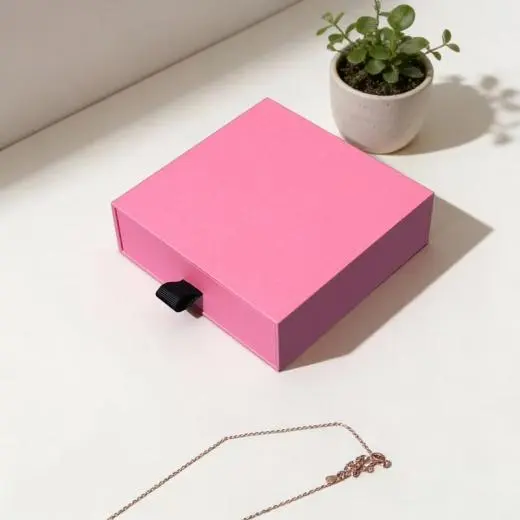
4 Ways To Elevate Your Cardboard Boxes
2.1 Foil Stamping Printing For Luxury Glossy Effects
Foil stamping is a mainstream high-end printing craft exclusive to premium cardboard packaging. It uses high temperature and pressure to attach metallic or matte foil to box surfaces, creating glossy, layered decorative effects. You can apply this craft to logos, borders and core slogans to highlight brand highlights. With excellent wear resistance and color stability, it is ideal for gift, electronic and cosmetic cardboard packaging.
2.2 Embossing And Debossing For Tactile Packaging Experience
Tactile differentiation is a key breakthrough point for packaging upgrading. Embossing creates raised patterns while debossing forms concave textures on cardboard surfaces. Both ink-free techniques retain the original texture of cardboard materials, bringing unique hand feeling experiences for users. They effectively upgrade product grade and create high-end temperament for luxury product packaging boxes.
2.3 UV Printing For Bright Color And Wear Resistance
UV printing relies on ultraviolet light to cure ink instantly, featuring bright color rendering, high saturation and scratch resistance. It restores customized design drafts flawlessly with delicate layered details. The cured ink layer is waterproof and friction-resistant, avoiding fading and damage during transportation. It is a cost-effective premium printing choice for daily commodity cardboard boxes.
2.4 Screen Printing For Textured High-Definition Presentation
Screen printing forms thick, full ink layers on cardboard, delivering richer textures than traditional offset printing. It performs well in displaying bold logos, geometric patterns and monochrome designs with superior ink coverage. You can use this technique to create personalized color matching, making your cardboard packaging stand out in homogeneous market products.
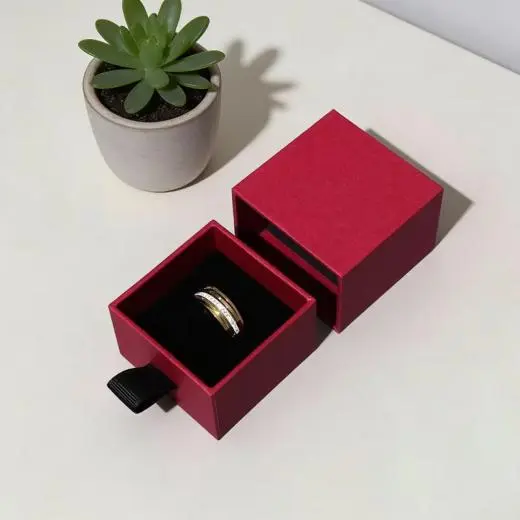
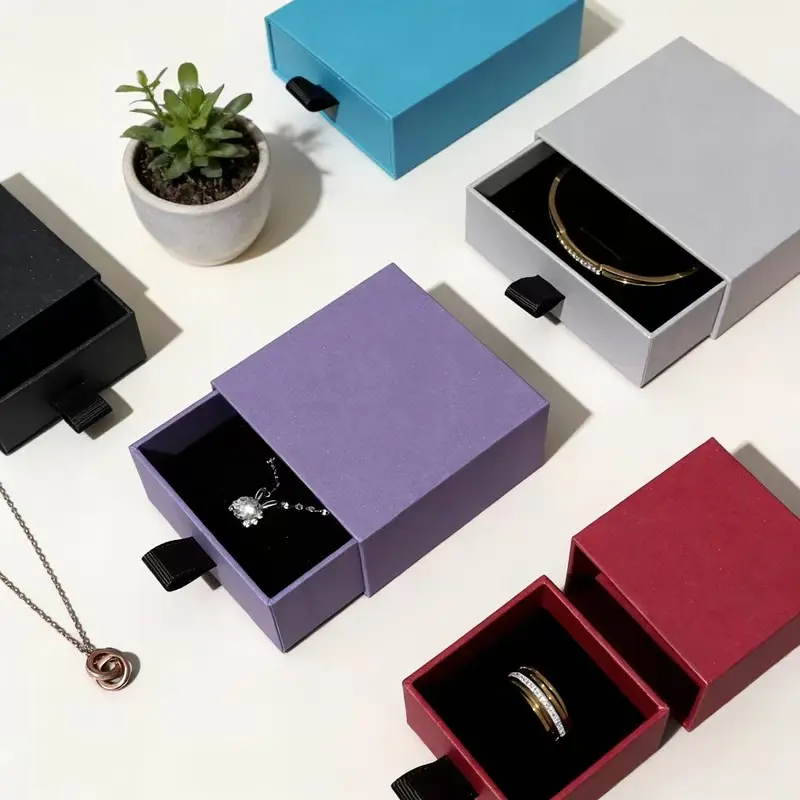
How To Match Printing Techniques With Cardboard Boxes
3.1 Match Crafts According To Product Positioning
You need to match printing crafts strictly according to your product market positioning. High-end luxury products suit the combined use of foil stamping and embossing to highlight premium attributes. Daily consumer goods can choose UV or screen printing to balance cost and display effect, avoiding redundant craft superposition that increases costs.
3.2 Prioritize Printing Adaptability Of Cardboard Materials
Different cardboard materials have distinct printing adaptability. Thick corrugated cardboard fits embossing and debossing best, while fine white cardboard supports delicate foil stamping and UV printing. Matching crafts based on cardboard box material features effectively prevents printing blurring, foil falling and other common quality issues.
3.3 Control Printing Detail Consistency
Unified printing details are the foundation of high-grade packaging. You need to confirm design files, color parameters and printing specifications in advance to ensure consistent presentation of all batch boxes. Stable and unified printing effects enhance overall brand unity and improve the professional texture of product packaging.
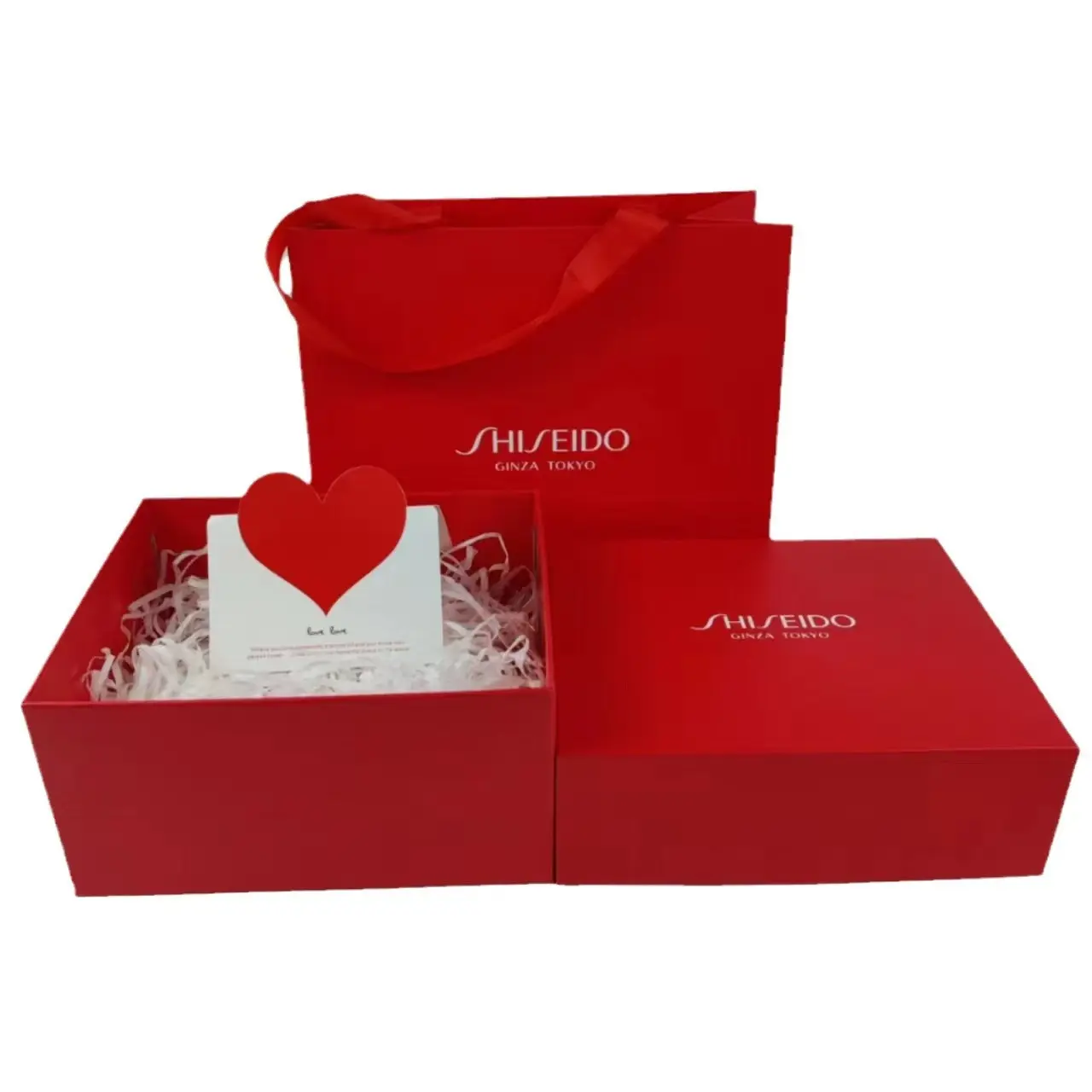
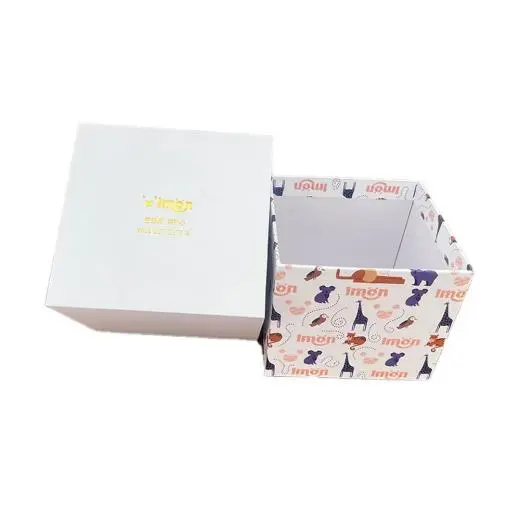
Common Mistakes In Premium Box Printing And How To Avoid
4.1 Over-Designing And Ignoring Practicality
Many brands overly pursue complex printing effects while ignoring box structural practicability. Excessively thick ink layers and stacked crafts will hinder box folding and assembly. You must take practical packaging functions as the core and select suitable premium printing techniques for reasonable decorative upgrading.
4.2 Mismatch Between Craft And Usage Scenarios
Different application scenarios have unique printing standards for cardboard boxes. Food packaging requires eco-friendly, non-toxic printing ink, while long-distance transportation packaging needs wear-resistant UV printing. Matching targeted printing crafts according to usage scenarios ensures long-term stable packaging printing quality.
Final Thoughts
Premium printing techniques are the key to solving cardboard packaging homogenization and enhancing market competitiveness. Reasonably matching foil stamping, embossing, UV and screen printing based on product positioning and materials upgrades packaging visuals and texture, YuCai will help you shape a high-end brand image and attract more consumer attention.
FAQ
Q1: How To Choose Suitable Premium Printing Crafts For Different Types Of Cardboard?
A1: Match crafts by cardboard thickness and texture. Thick corrugated cardboard fits embossing and debossing, while fine white cardboard is ideal for foil stamping and UV printing.
Q2: What Core Principles Should You Follow When Combining Multiple Box Printing Techniques?
A2: Prioritize practicality and simplicity. Use only 2-3 compatible crafts, avoid over-stacking designs, and ensure printing does not hinder box folding and assembly.
Q3: Why Does Premium Printing Help Improve Consumer Repurchase Rates?
A3: High-quality printing delivers premium visual and tactile experience, builds consumer trust in product quality, boosts brand recognition, and effectively drives repeat purchases.
Q4: What Hidden Problems Will Be Caused By Mismatched Printing Crafts And Packaging Scenarios?
A4: It causes poor durability and quality risks. Printing may fade or scratch easily during transit, and unqualified ink will fail safety standards for specific products like food packaging.
Q5: Compared With Traditional Printing, What Comprehensive Advantages Does Premium Screen Printing Have?
A5: It features thicker, fuller ink layers and stronger coverage. It creates unique textured visuals for bold patterns and logos, effectively solving packaging homogenization issues.
Q6: What Preparations Can Ensure Batch Consistency Of Premium Printed Cardboard Boxes?
A6: Unify design files, color tones and printing parameters in advance. Standardized production eliminates batch color and detail deviations to keep consistent brand packaging texture.
Post time: Jun-24-2026