
In the fast-paced world of e-commerce, retail and logistics, choosing the right packaging is crucial for protecting products, reducing costs and enhancing brand reputation. Corrugated cartons, as a reliable packaging solution, have withstood the test of time and are trusted by enterprises of all sizes around the world.
This article explores six key reasons why corrugated boxes are the ideal choice for your packaging needs:
-
Corrugated Cardboard Is Both Light and Strong
One of the most notable advantages of corrugated cartons is their unique combination of light weight and outstanding strength, which is made possible by their innovative structure. Corrugated cardboard is composed of two flat inner liner boards sandwiched in wavy grooves, forming a hollow structure that effectively balances rigidity and lightness. Unlike heavy-duty packaging materials such as wood or metal, corrugated cartons add the least weight to goods, significantly reducing transportation costs, especially for large-scale or long-distance transportation.
Corrugated cartons are lightweight but strong. They have great load-bearing capacity and shock absorption. The fluted inner core acts as a buffer, protecting fragile goods like glassware, electronics and cosmetics during delivery.
These boxes come in single, double or triple layers, with different flute types including A, B, C, E and F. They can be tailored for various weights, supporting loads up to 3000 kilograms.
F-type corrugated boxes fit heavy items such as furniture and appliances. B-type ones provide good cushioning for light, delicate products. Their high versatility makes them popular in e-commerce and manufacturing industries.
-
Corrugated Boxes Are Cost-Effective
Cost-effectiveness is the top priority for any enterprise. Corrugated boxes offer outstanding value at every stage of the packaging process. The raw materials for corrugated cardboard are abundant and reasonably priced - corrugated cardboard can be made from various sources, including bamboo and wheat, as well as recycled paper fibers. The availability of this raw material keeps the production cost at a low level. The cost of corrugated boxes is approximately half that of wooden boxes of the same volume.
In addition to production costs, corrugated cartons also reduce storage and transportation expenses. Their foldable design enables them to be transported and stored flat, saving valuable space in warehouses and transport vehicles - flat corrugated boxes take up 75% less space than packed boxes, reducing storage costs and improving logistics efficiency. In addition, their light weight reduces freight charges, as most carriers charge based on weight and volume. For small businesses and e-commerce sellers, this means significant long-term savings, freeing up budgets for other critical operations such as marketing and product development. Even for large enterprises, the annual cost savings from using corrugated boxes can reach millions of dollars, making corrugated boxes an economical and effective packaging solution for businesses of all sizes.
-
MaterialIs Environmentally Friendly
In an era of growing environmental awareness, sustainability has become a key consideration for both enterprises and consumers. Corrugated boxes are leaders in eco-friendly packaging. Unlike plastic packaging that takes centuries to decompose, corrugated cardboard is 100% biodegradable and compostable. It can naturally decompose within 2-3 months in composting facilities, with a methane leakage risk of less than 0.5%. This can reduce the impact on landfills and minimize environmental pollution.
The recyclability of corrugated cartons is also very high, with a global recycling rate of 93%, which is much higher than the average recycling rate of 9% for plastics. The fibers in corrugated cardboard can be recycled up to seven times without affecting its strength. Modern closed-loop recycling systems can recover 73% of the cardboard fibers within 60 days, reducing water consumption by 50% and energy consumption by 64% compared to the original production.
In the United States alone, 91% of corrugated cardboard is recycled each year, saving approximately 33 million tons of waste from landfilling annually. Many corrugated box manufacturers also use recycled corrugated materials in their production - 89% of corrugated boxes contain recycled materials - further reducing their carbon footprint. By choosing corrugated boxes, enterprises can demonstrate their commitment to sustainable development, attract eco-conscious consumers, and comply with increasingly strict environmental regulations.
-
Perfect Sizes for Shipping
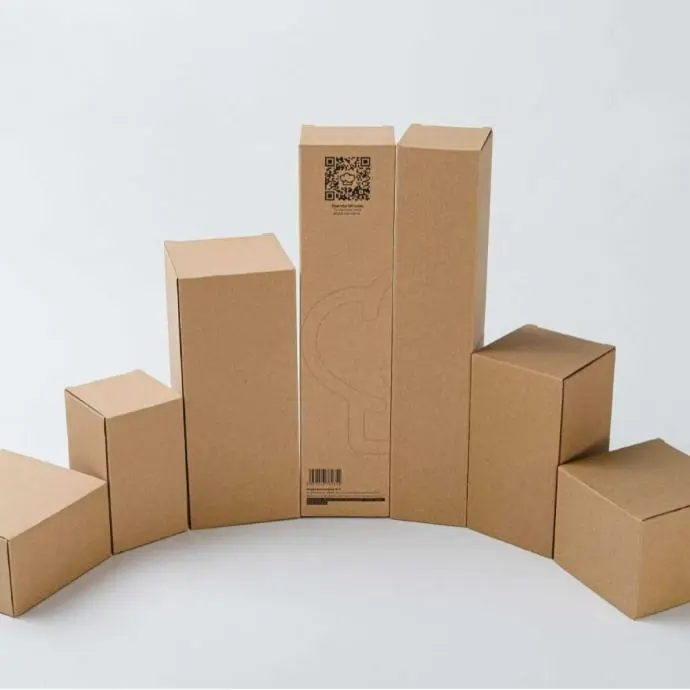
Transportation efficiency largely depends on the size of the packaging, and corrugated boxes offer unparalleled versatility in size, making them suitable for transporting products of various shapes and sizes. Unlike fixed-sized rigid packaging materials, corrugated boxes can be precisely customized to fit your products, eliminating excess space and reducing the need for additional cushioning materials such as bubble wrap or packaging peanuts. This cannot only better protect the products, but also can reduce packaging waste and transportation costs.
Standard corrugated box sizes have been optimized for decades to maximize pallet utilization, minimize material waste, and provide the best cost ratio per cubic inch for a wide range of products. They are available in small, medium and large sizes, and each size is designed for specific applications. Small boxes are suitable for e-commerce goods such as cosmetics, small electronic products and books. Medium boxes are suitable for cookware, clothing and small household appliances. Large boxes are suitable for furniture, large electronic products and industrial parts. In addition, corrugated cartons can be customized in size to accommodate products of irregular shapes, ranging from fragile artworks to bulky machinery.
-
Flexibility and Customization
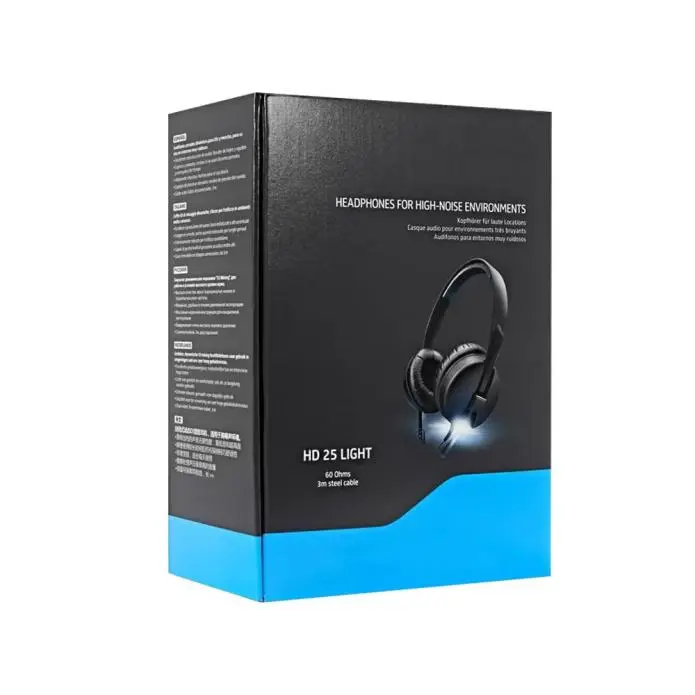
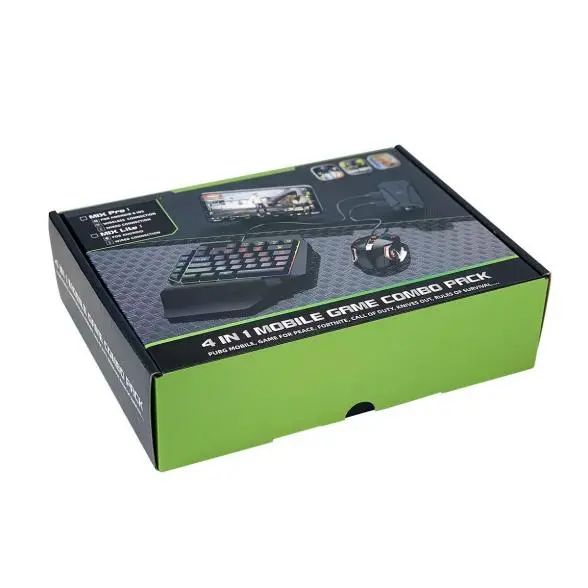
Corrugated cartons are highly flexible and customizable, enabling them to meet the unique needs of any enterprise. Their flexibility begins with the material itself - corrugated cardboard can be easily cut, folded and shaped into different styles, including regular slotted containers (RSC), telescopic boxes and die-cut boxes, to adapt to various product types and packaging requirements. For instance, die-cut corrugated boxes can be designed with custom inserts, compartments, or treatments to provide additional protection for fragile items or enhance user convenience.
Customization also extends to brands and aesthetics. Corrugated cardboard has excellent ink absorption, making it an ideal choice for high-quality printing - enterprises can directly print their logos, brand colors, product information, and even promotional information on the cartons. Printing options include flexographic pre-printing, offset printing, digital pre-printing and direct flexographic printing, which allow for clear and dynamic designs, enhancing brand awareness and customer experience.
Whether you are a small business looking to add a personal touch to your packaging or a large brand aiming to enhance its brand identity, corrugated boxes can be customized according to your vision. In addition, corrugated cartons can be treated with special coatings (such as waterproof or oil-proof coatings) to meet specific product requirements, such as packaging food or products that need to be moisture-proof.
-
Corrugated Box With Multifunctional
Unlike single-purpose packaging materials, corrugated boxes are highly multi-functional, serving various purposes rather than merely transporting and protecting products. Their versatility makes them valuable assets for businesses in all industries, from retail and e-commerce to manufacturing and agriculture. One of its key multi-functional uses is storage - corrugated boxes are durable enough to be reused in warehouses, offices, and even homes, thereby reducing the need for additional storage containers.
Corrugated boxes also excel in retail display - they can be designed as off-the-shelf packaging, allowing products to be displayed directly within the boxes without the need for additional display units. This saves retailers' time and energy while creating a cohesive brand look in the store. In the food industry, corrugated boxes can be customized with insulation or padding to keep perishable items such as fruits, vegetables and dairy products fresh during transportation and storage.
They can also be used for industrial purposes, such as packaging heavy machinery parts, building materials, and even dangerous goods (after proper treatment and labeling). In addition, corrugated cartons can be reused for other items, such as gift boxes, craft materials or temporary storage solutions, further expanding their value and reducing waste.
Conclusion
Choosing corrugated boxes is not merely a practical decision - it is an investment in business efficiency, sustainability and success. With its excellent track record and endless benefits, it is no surprise that corrugated boxes remain the most popular packaging choice worldwide. Upgrade your packaging today and experience the difference that corrugated boxes can make to your business.
FAQ:
1. What are the main advantages of corrugated boxes in structure?
Answer: They are lightweight yet strong, with good load-bearing capacity and shock absorption. They also come in various layers and flute types for different uses.
2. Why are corrugated boxes cost-effective for businesses?
Answer: They use cheap and abundant raw materials, save storage and shipping space, and cut down freight costs.
3. How eco-friendly are corrugated cartons?
Answer: They are 100% biodegradable and highly recyclable, causing little harm to the environment.
4. What customization options do corrugated boxes have?
Answer: They can be made into different shapes and sizes, printed with brand information, and added with special coatings like waterproof layers.
5. Besides product delivery, what other functions do corrugated boxes have?
Answer: They can be used for storage, retail display, packaging perishable goods and industrial parts, and can also be reused.
Post time: May-29-2026