
Surface finishing defines the look, feel, and durability of custom paper boxes. Choosing the right finish helps you match your brand tone, attract customers, and improve packaging practicality for different products.
Why Surface Finishing Matters For Custom Paper Boxes
Plain paper boxes look flat and lack competitiveness on retail shelves. Surface finishing adds visual appeal, unique tactile texture, and daily protection to packaging. It directly shapes consumers’ first impression of your brand and product quality.
Different finishing techniques deliver totally different marketing effects. A proper finish can upgrade ordinary packaging to premium-grade presentation without excessive costs. It also enhances scratch resistance, waterproof performance and print color fidelity for long-term display and transportation.
Among all available options, lamination stands out as a goto solution balancing cost, protection and visual output.
-
Lamination: Most Practical And Universal Finishing
Lamination means covering printed paper boxes with a thin transparent film. It is the most widely used surface treatment for all custom paper packaging, suitable for most industries and product types.
Core Visual And Tactile Features
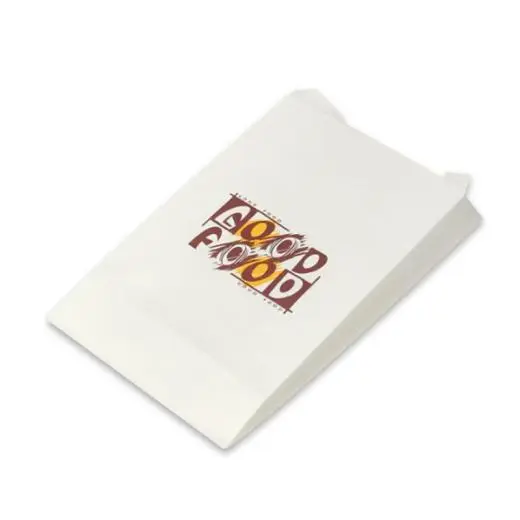
Gloss lamination brings a shiny, mirror-like surface. It makes printed colors brighter and more vivid, creating a lively and eye-catching visual effect. Matte lamination offers a soft, non-reflective surface with a smooth low-key texture, delivering steady and elegant vibes. Soft-touch lamination is an upgraded option with velvety tactile feeling, greatly improving premium texture.
Best Applicable Scenarios
You can choose gloss lamination for daily necessities, toy packaging and promotional gift boxes to attract young consumers. Matte lamination fits skincare products, clothing packaging and business gift boxes for a minimalist high-end look. Soft-touch lamination is ideal for luxury cosmetics and high-end gift packaging.
Key Advantages
Lamination effectively resists scratches, dust and moisture. It prevents ink fading during storage and transportation, greatly extending packaging service life. It balances cost and effect, with extremely high cost performance.
-
Hot Stamping: Premium Metallic Decoration
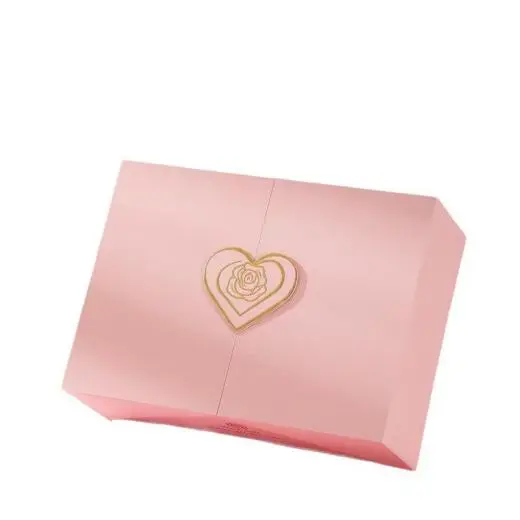
Hot stamping (foil stamping) transfers metallic foil patterns or texts to paper box surfaces through high temperature and pressure. It is the mainstream technique to add luxury metallic details to packaging.
Core Visual And Tactile Features
It creates shiny metallic gold, silver or colorful reflective effects. The stamped parts are flat and smooth with strong three-dimensional visual impact. Unlike printed patterns, hot stamping will not fade and shows obvious light reflection layering.
Best Applicable Scenarios
You can use hot stamping for brand logos, slogan texts and key pattern accents. It is perfect for festival gift boxes, wine packaging, cosmetic boxes and high-end electronic product packaging. It is also widely used for limited-edition product packaging to highlight uniqueness.
Key Advantages
Hot stamping instantly upgrades packaging grade and highlights brand recognition. It works well with matte lamination to form strong visual contrast, making key information more prominent.
-
Embossing And Debossing: Three-Dimensional Tactile Design
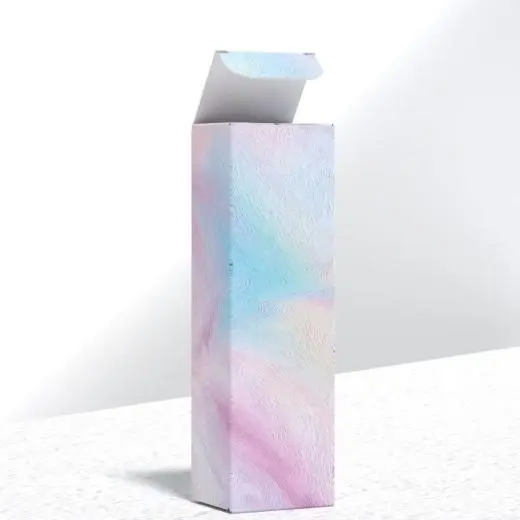
Embossing and debossing are physical surface treatments. Embossing raises partial patterns, while debossing presses partial patterns inward, creating pure texture changes without adding ink or foil.
Core Visual And Tactile Features
These two techniques bring obvious concave-convex three-dimensional layers. The surface has delicate tactile texture, allowing customers to feel pattern details through touch. The overall style is low-key, delicate and not exaggerated.
Best Applicable Scenarios
They are suitable for high-end customized packaging that pursues texture, such as luxury skincare boxes, jewelry packaging, boutique gift boxes and book cover packaging. You can use them for logo, border and pattern decoration to enhance packaging refinement.
Key Advantages
Physical texture avoids chemical coating redundancy, more in line with minimalist and eco-friendly packaging trends. It improves packaging grade subtly and forms unique brand tactile memory points.
-
UV Coating: Local Bright Contrast Effect
UV coating applies transparent UV varnish to designated areas of paper boxes and cures it with ultraviolet light. It is commonly used for local partial finishing instead of full-box coverage.
Core Visual And Tactile Features
The UV-coated area is highly bright, smooth and raised slightly. It forms strong light and shadow contrast with matte base surfaces, highlighting key patterns, texts and logos. The texture is firm and wear-resistant.
Best Applicable Scenarios
You can use UV coating to highlight product features, brand logos and promotional information. It fits daily consumer goods, stationery packaging, food packaging and creative customized paper boxes, making key content more eye-catching.
Key Advantages
Partial UV coating costs lower than full-box high-end finishing. It enhances visual hierarchy without changing the overall packaging style, achieving targeted visual emphasis.
How To Choose The Right Finishing For Your Custom Boxes
Custom box finishing is vital for balancing packaging aesthetics, practicality and brand value. Proper surface treatment elevates box appearance, enhances durability, and boosts market competitiveness. To achieve cost-effective and targeted results, brands should choose finishing techniques based on four key dimensions: brand positioning, product usage scenarios, logistics and storage demands, as well as shelf marketing needs. Below is a concise and practical selection guide.
-
Selection Based On Brand Positioning & Product Grade
Brand and product grade define packaging tonality, serving as the core principle for finishing selection. Matching surface treatments with product positioning ensures consistent brand presentation.
For affordable mass-market goods like daily necessities, snacks and basic skincare products, gloss or matte lamination is the optimal choice. Gloss lamination delivers bright, vivid color rendering and a lively look, while matte lamination offers a subtle premium frosted texture. Both are cost-effective, durable and adaptable for mass production and daily retail sales.
For mid-to-high-end products including premium cosmetics, electronic gadgets and gift items, combined finishing is preferred. Matte lamination serves as an elegant base, paired with hot stamping or embossing. Metallic hot stamping adds delicate luster to logos and patterns, while embossing creates a tactile 3D effect. This layered combination effectively highlights high-end brand temperament.
For creative retail products and personalized custom gifts, partial UV coating is ideal. It creates striking light and shade contrast on a matte base, highlighting key design details. This differentiated finish avoids monotonous packaging and helps niche brands stand out in competitive markets.
-
Selection Based On Product Application & Usage Scenarios
Different usage scenarios require tailored finishing to match packaging functionality and aesthetic needs, maximizing practicality and display value.
For conventional retail products sold online and in physical stores, standard gloss or matte lamination suffices. It provides basic protection, stable quality and neat appearance, fitting daily display, handling and short-term storage demands.
For festival limited editions and holiday gift boxes, metallic hot stamping, pearlescent UV coating and embossing are perfect options. These finishes create a festive, ceremonial and luxurious atmosphere, enhancing packaging collectibility and gifting value.
For skin-contact products such as baby goods, food packaging and cosmetics, eco-friendly matte or soft-touch lamination is mandatory. These non-toxic, odorless finishes offer a smooth, comfortable touch, avoid harsh glare, and meet strict safety standards for intimate products.
-
Selection Based On Transportation & Long-Term Storage Needs
Packaging faces friction, moisture, dust and extrusion during logistics and long-term storage. Professional finishing provides reliable physical protection to avoid damage and keep boxes intact for end consumers.
For cross-border goods and bulk wholesale products with long transportation cycles and multiple handling processes, scratch-resistant and waterproof lamination is essential. The protective film effectively isolates water, dust and oil, preventing print peeling and scratches during transit.
For long-term shelf display and warehousing, UV-resistant lamination is recommended. It prevents packaging yellowing and color fading caused by long-term light exposure, maintaining long-lasting color fidelity and a fresh appearance.
-
Selection Based On Shelf Visual Marketing Demands
Packaging acts as the first visual attraction on retail shelves. Reasonable finishing significantly improves shelf appeal and helps convert customer attention into purchases.
For fiercely competitive consumer goods like snacks, toys and daily chemicals, gloss lamination or full UV coating delivers a high-bright, vivid surface. The strong visual impact makes products stand out quickly on crowded shelves.
For high-end store counters and boutique displays, matte lamination matched with subtle hot stamping or debossing creates a sophisticated, low-luxury texture. It echoes premium brand positioning and caters to high-end consumer aesthetics.
Final Thought
Reasonable surface finishing makes your custom paper boxes more competitive and consistent with brand style. Yucai provides professional customized finishing solutions. We match suitable techniques for your products and deliver high-quality packaging that balances beauty and practicality.
FAQ
- Which Surface Finishing Is The Most Durable For Paper Boxes?
Lamination is the most durable option. It provides full coverage protection against scratches, moisture and dust. It works well for products that require long-term storage and repeated handling.
- Can Multiple Finishing Techniques Be Used On One Paper Box?
Yes. Most brands combine matte lamination with hot stamping, or match lamination with partial UV coating. Mixed techniques create richer layers and better visual effects.
- Is Hot Stamping Suitable For Small Custom Patterns?
Absolutely. Hot stamping performs well on fine texts and tiny logos. It can present clear and delicate metallic details that ordinary printing cannot achieve.
- What Is The Difference Between Embossing And Debossing?
Embossing raises patterns outward for a prominent 3D effect. Debossing presses patterns inward for a low-key subtle texture. Both deliver unique tactile experiences.
- Does UV Coating Increase Packaging Production Cost Greatly?
No. Partial UV coating is cost-effective. It only charges for localized processing, far cheaper than full-box high-end finishing while improving visual hierarchy obviously.
- Which Finishing Is Best For Eco-Friendly Paper Packaging?
Embossing and debossing are the most eco-friendly choices. They adopt physical processing without extra chemical coatings, fitting green packaging requirements.
Post time: Aug-19-2026